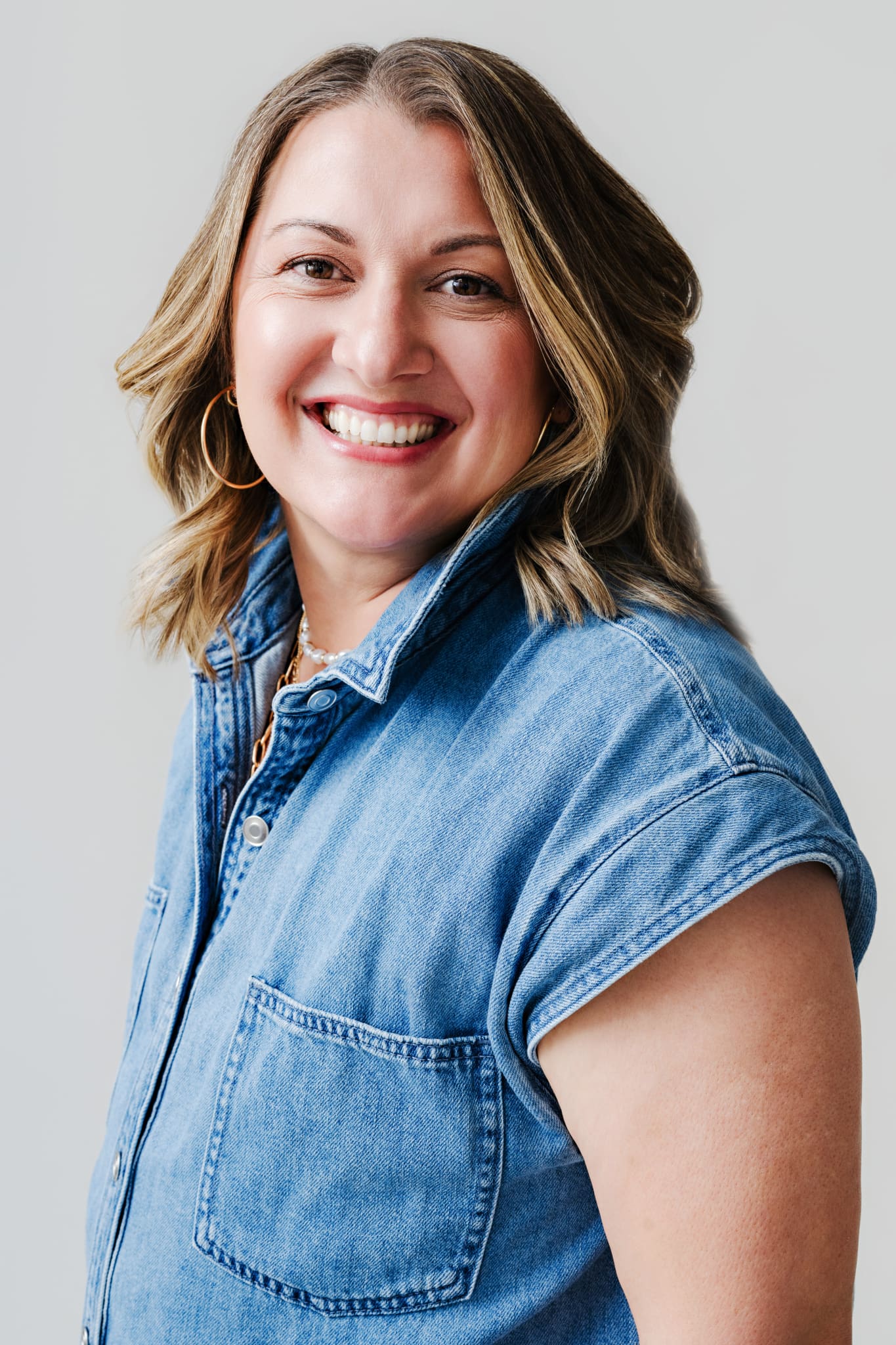
Stories of Resilience
A Journey of Strength and Hope
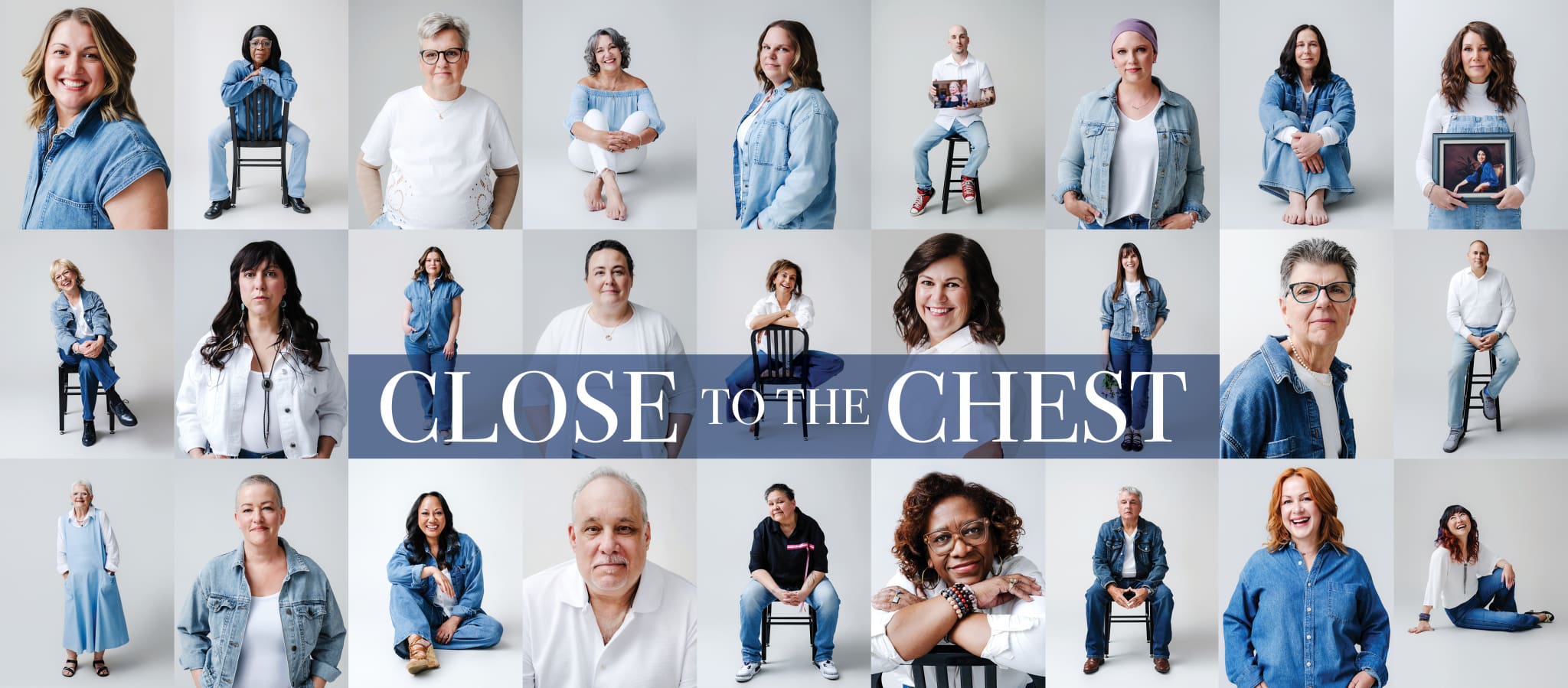
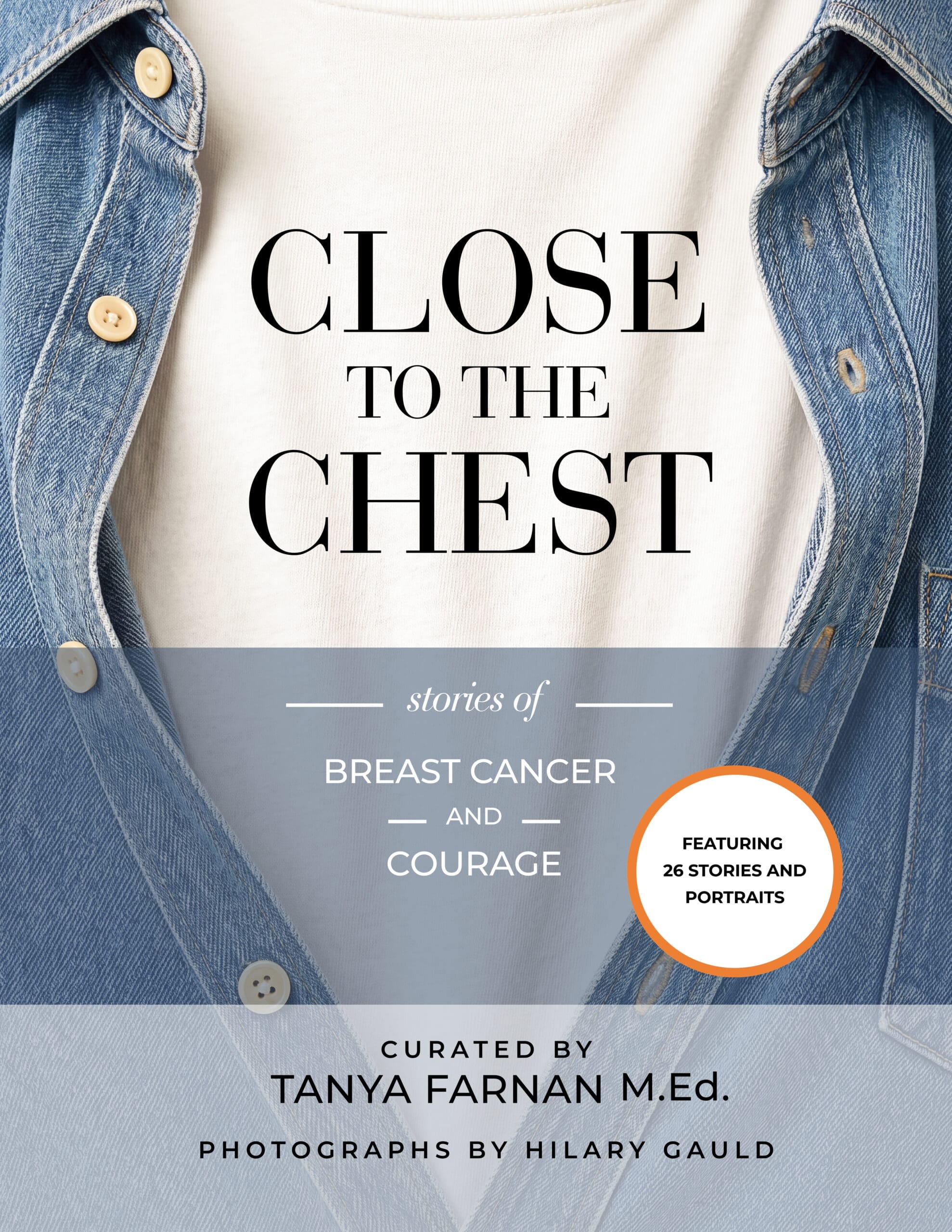
Twenty-six deeply personal stories of lives impacted by breast cancer. Each journey is unique, yet together they speak to the fear, uncertainty, and resilience that come with hearing the words no one is ever prepared for. This collection offers comfort, connection, and a reminder that no one should have to walk this path alone. Award-winning photographer Hilary Gauld's artistic vision captures the courage, strength, and humanity of every participant.
Close to the Chest can be ordered through Amazon.ca at the link below. Net proceeds from the book help fund DBC's mission to advance evidence-based breast screening policies and improve equitable access to optimal breast screening across the country.
Thank you for reading these stories, honouring the individuals who shared them, and joining us in working towards a future where everyone has access to the information and breast screening they need.
Meet the People Behind the Stories
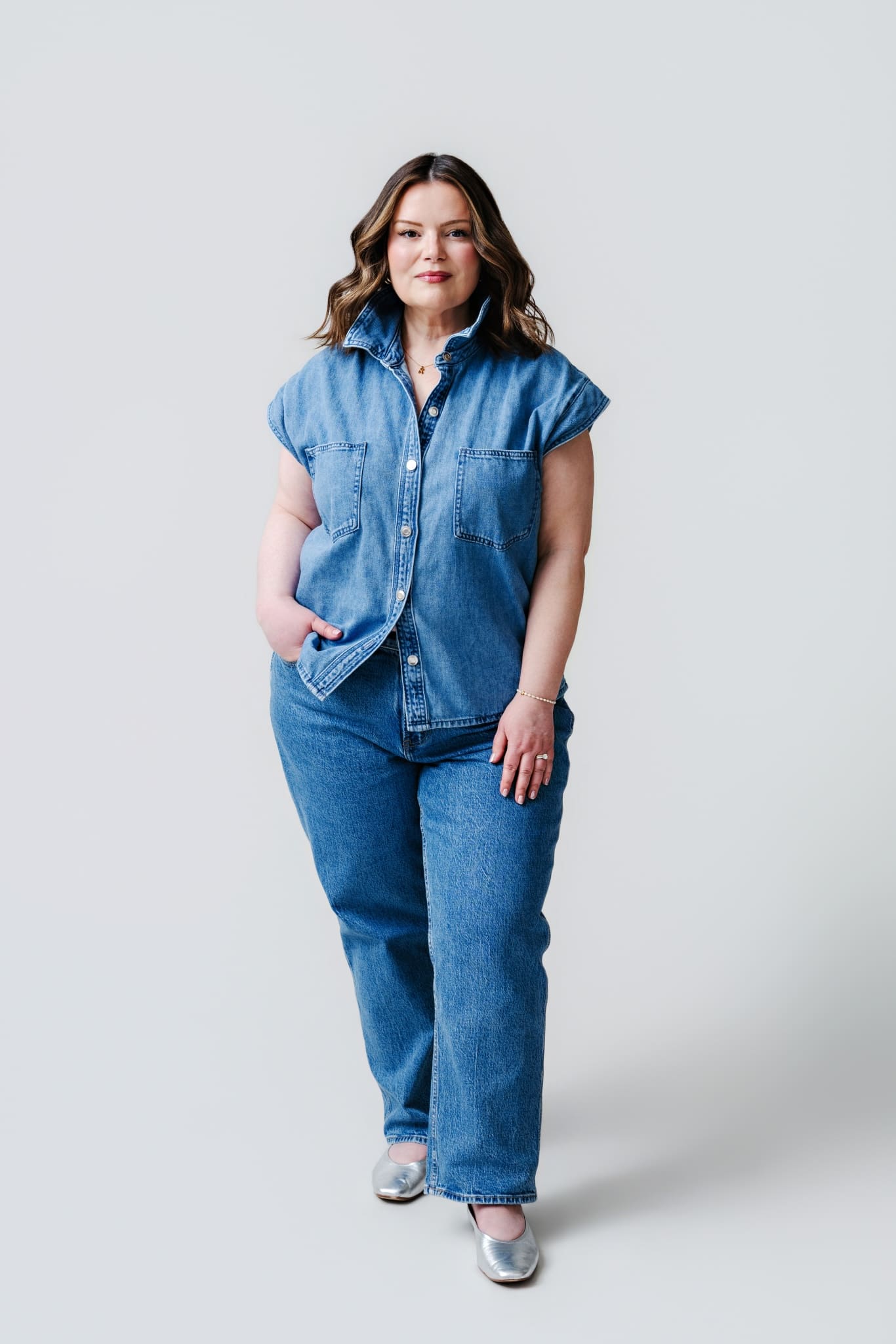
Kirsten
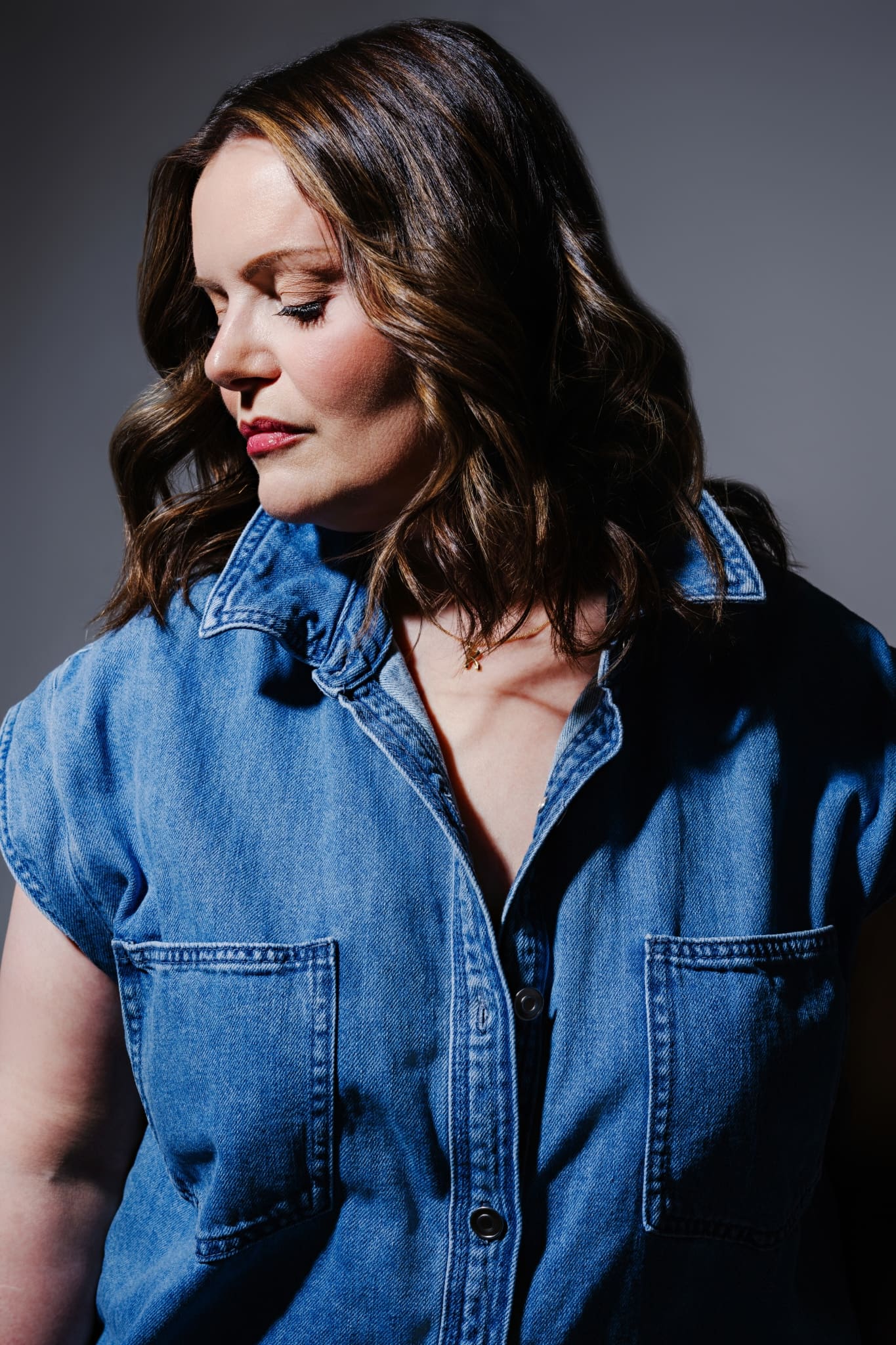
At 40 years old, breast cancer wasn’t on my radar. I had no family history. I felt healthy. I didn’t fit the profile I thought breast cancer belonged to. And I didn’t find a lump. Instead, it started with something subtle: an intermittent pain in my underarm. It would come and go, and at first, it didn’t feel urgent. But over the course of four months, the pattern changed. The pain stopped going away. That’s when I knew something wasn’t right.
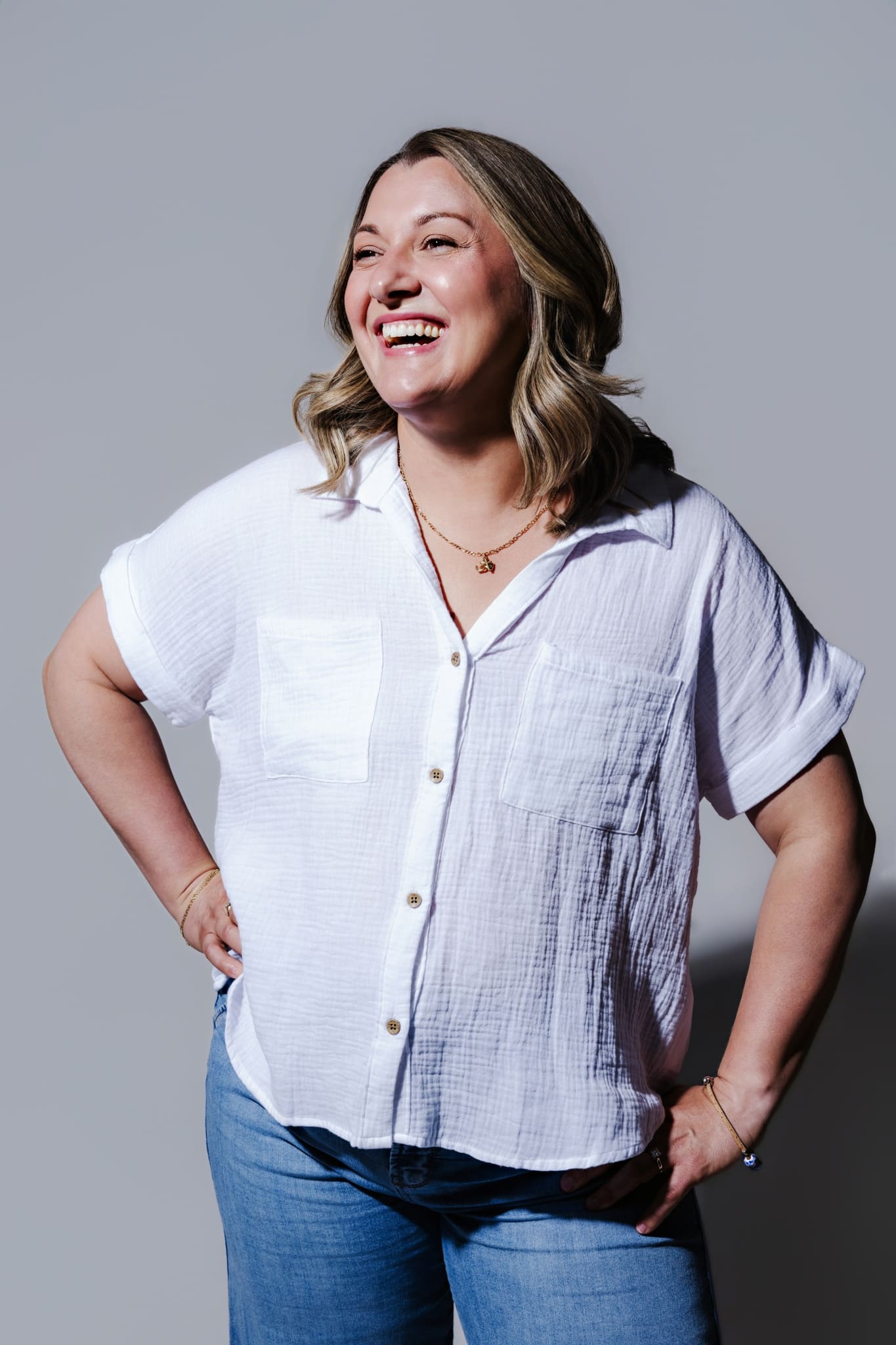
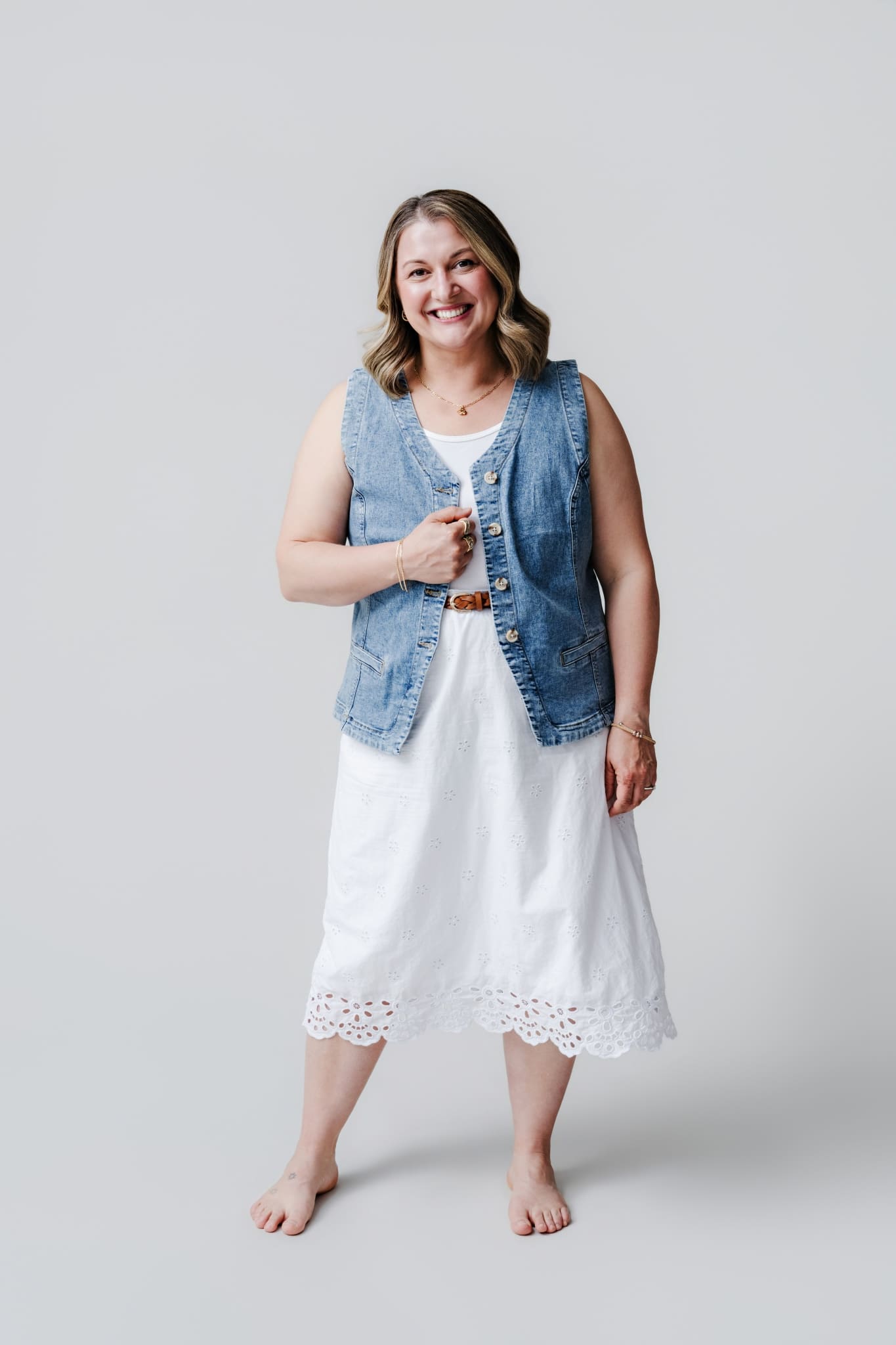
Tanya
My mother survived cancer, only to suffer a heart attack three years after completing treatment. Experiencing this traumatized me. One can't help but wonder how the physical and emotional burden of cancer treatment contributed. As I faced decisions surrounding chemotherapy, radiation, and ongoing treatment, I found myself carrying not only the fear of cancer itself but also the fear of what those treatments could mean for my future health.
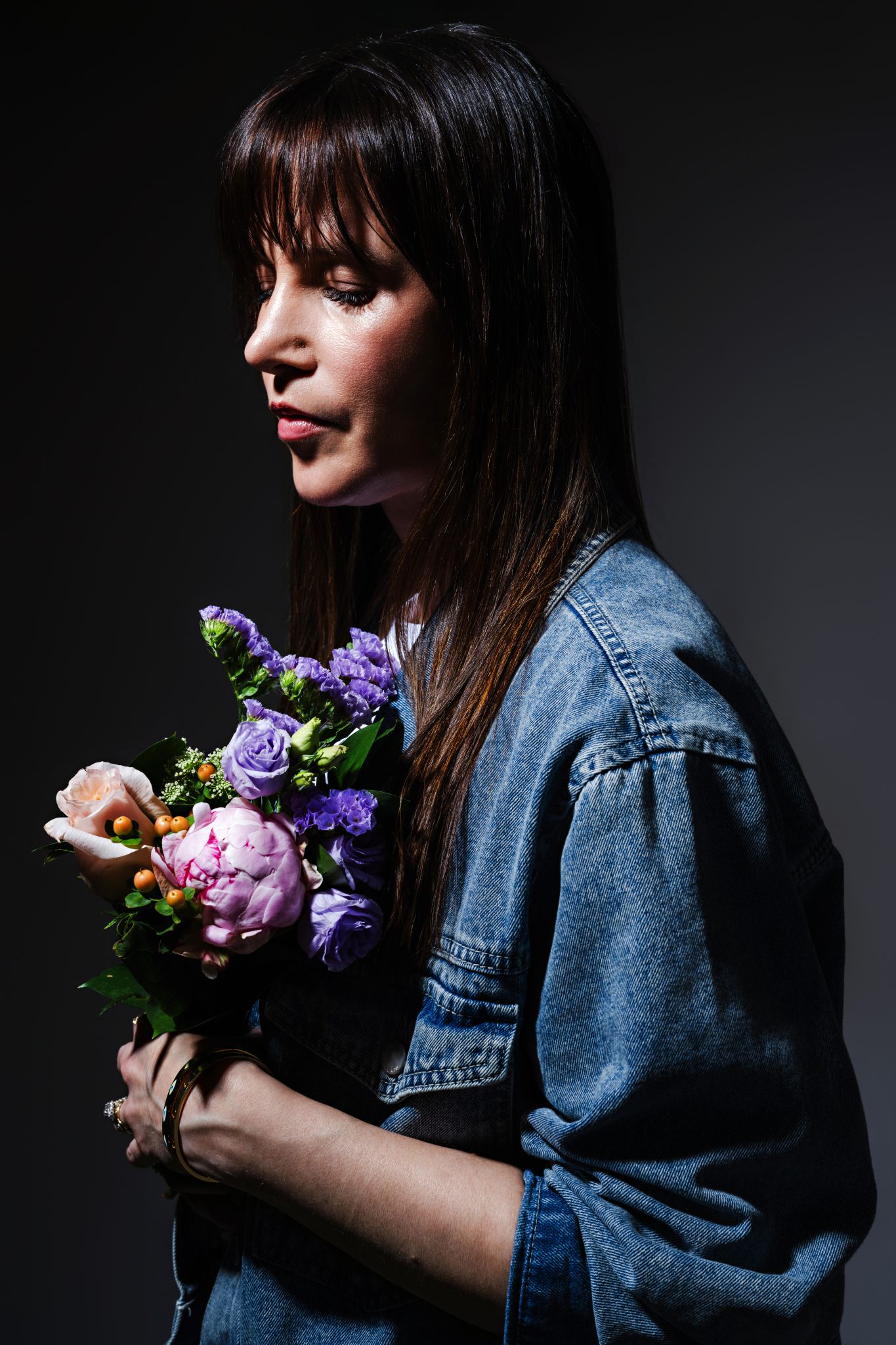
Haley
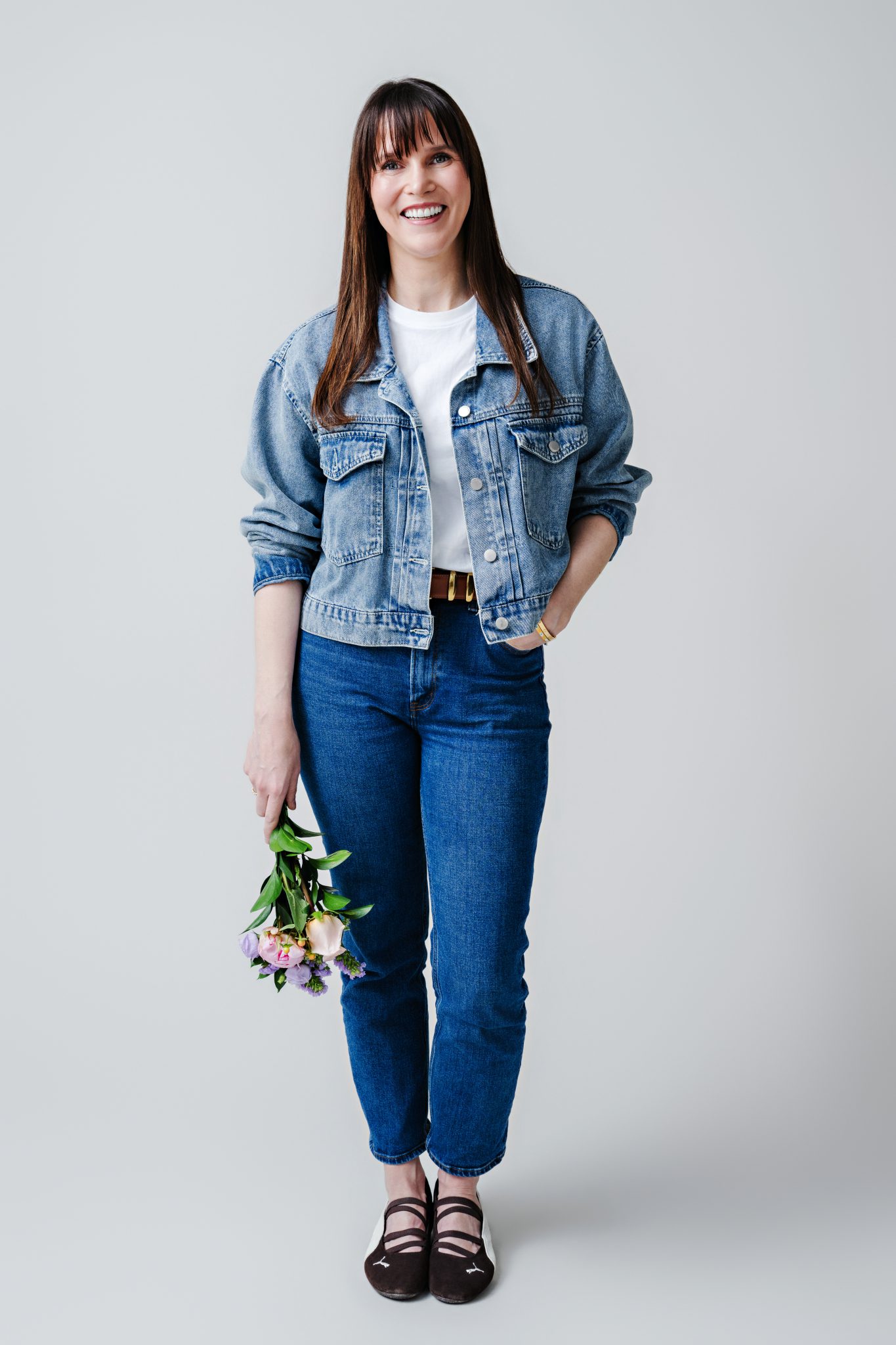
I was blissfully unaware of what was happening in my body. I had an email reminder from my doctor last week. “Haley, I see that you still have not booked the mammogram requisition I gave you a year ago.” Indeed, I had not done that. When I turned 40 last year, my doctor had told me “It was time” as they had recently lowered the screening age from 50 to 40 in Ontario, and that women could now self-refer... The reminder was all I needed to schedule the test, no different than an eye exam or paying a bill I thought, not fun, but no big deal.
Sheila
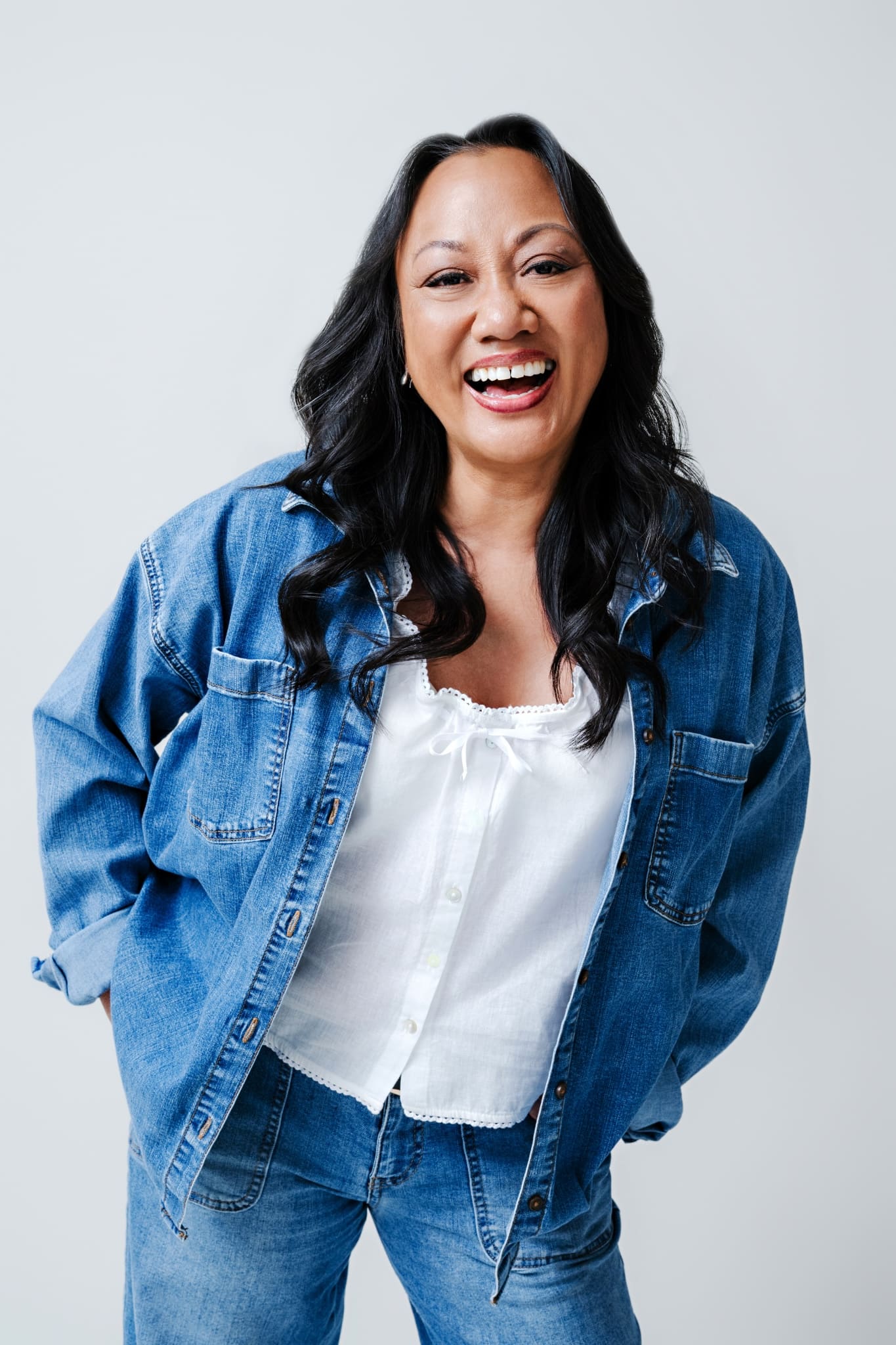
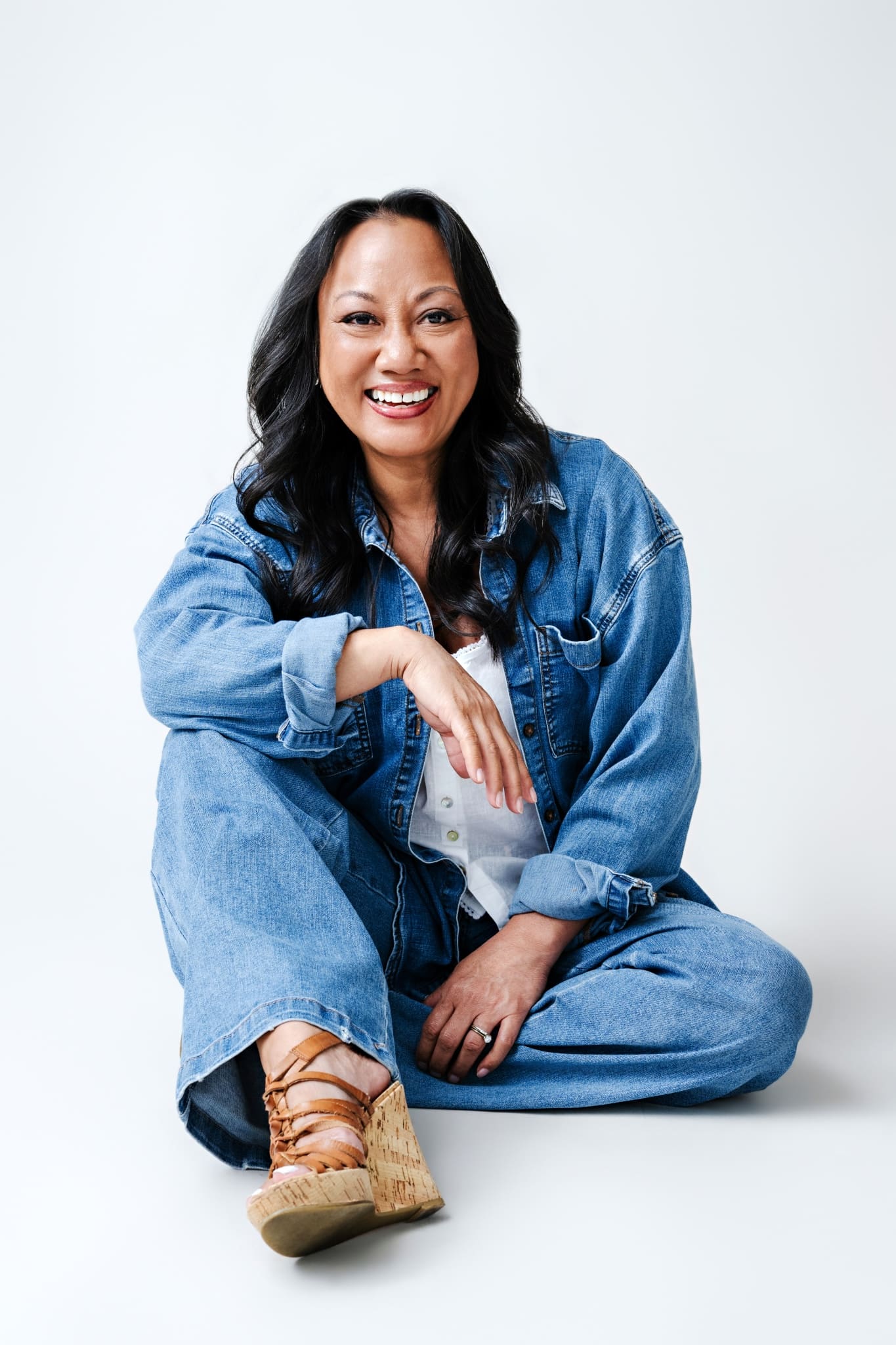
….My family doctor in Brampton had repeatedly told me that I was too young for mammograms... The mammograms and ultrasound were unable to provide a clear picture of the lump. However, after undergoing Contrast-Enhanced Mammography (CEM), which involves the use of contrast dye, the radiologists were able to obtain much clearer images. I learned I have dense breasts. Had it not been for the CEM, the abnormalities in my breast may not have been detected through 2D mammography and ultrasound alone.
Naina
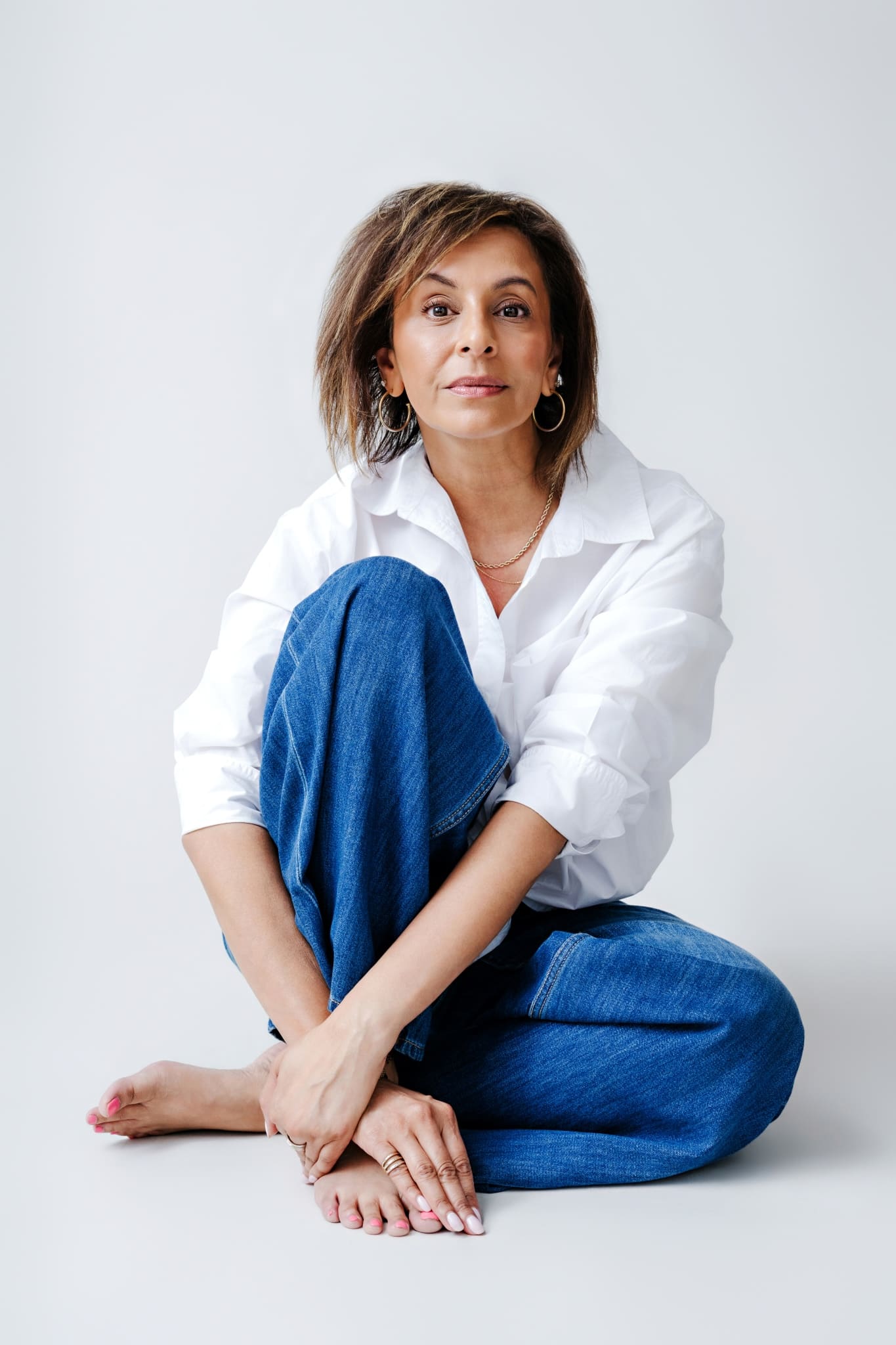
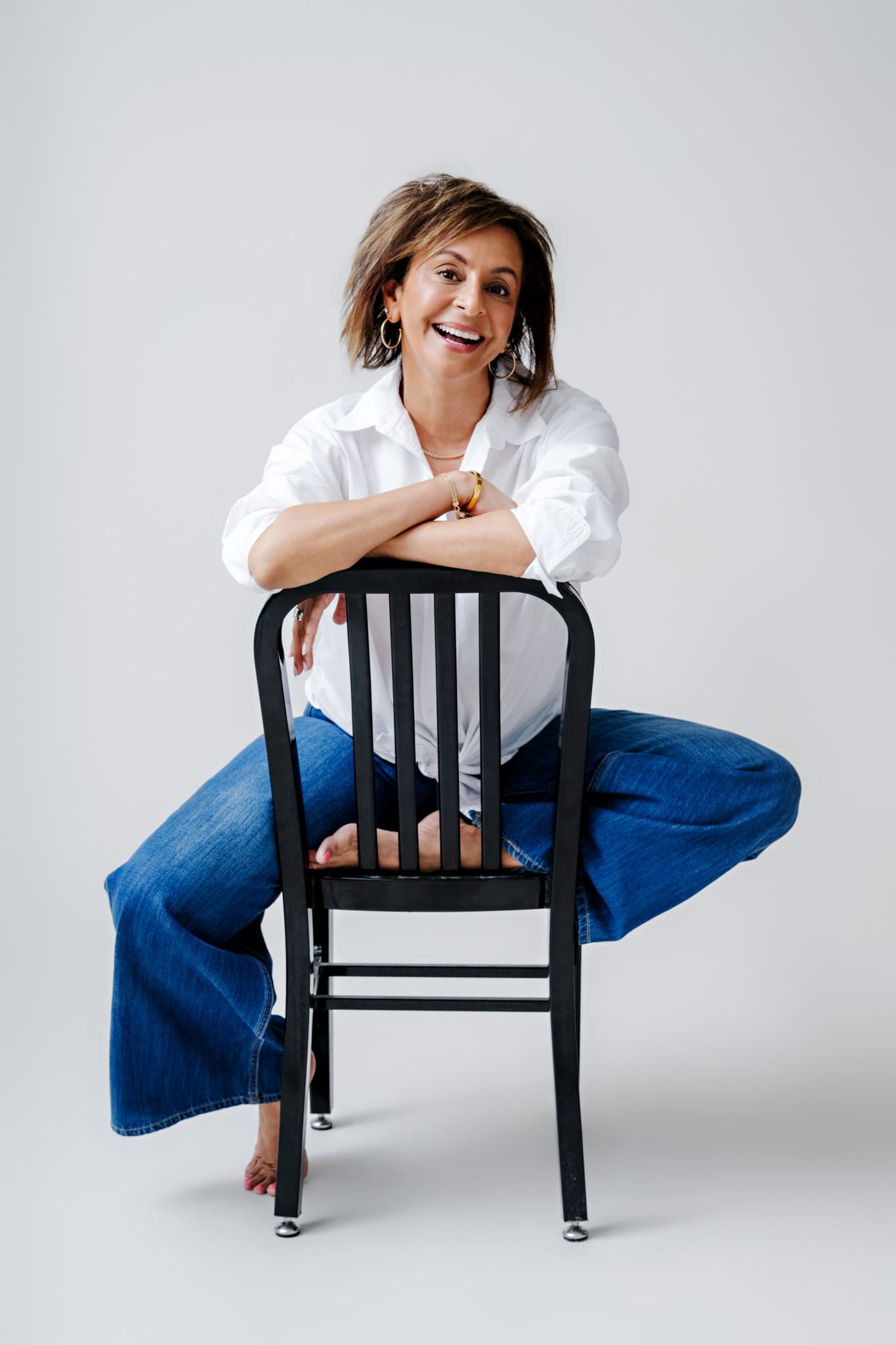
When it was my turn to see the general surgeon, he said to me, "I've looked at your ultrasounds, and it's concerning." I asked, "Out of 10, how concerning?" He said, "Eight." I asked, "For cancer?" And he said, "Yes."That's when the tears started flowing and the disbelief that this was happening to me set in. I asked him, "How? Why is this happening?" He said, "You've done nothing wrong. You're just a woman living in North America." That is something I will never forget him saying.
Twenty-six deeply personal stories of lives impacted by breast cancer.
Ally
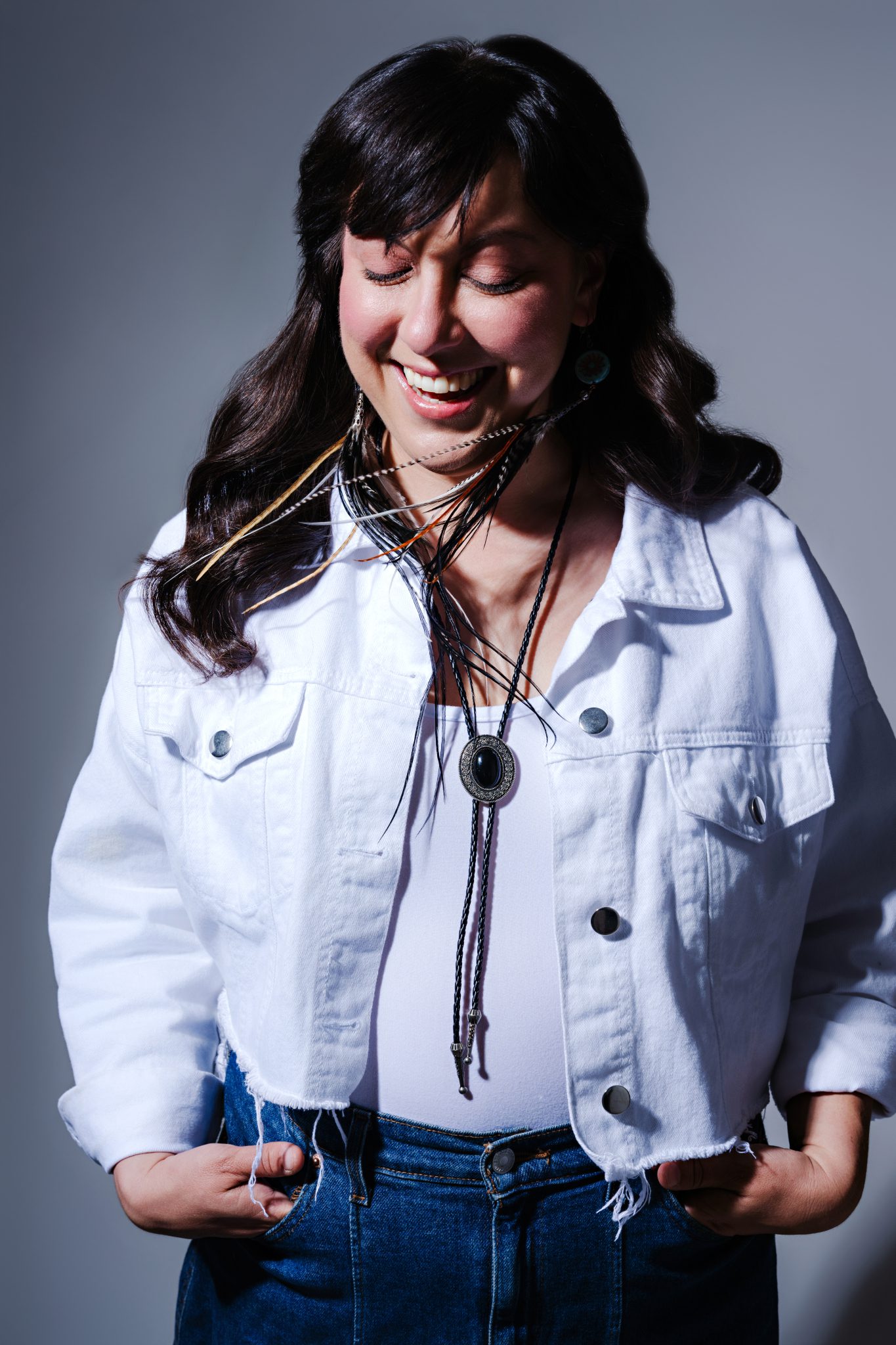
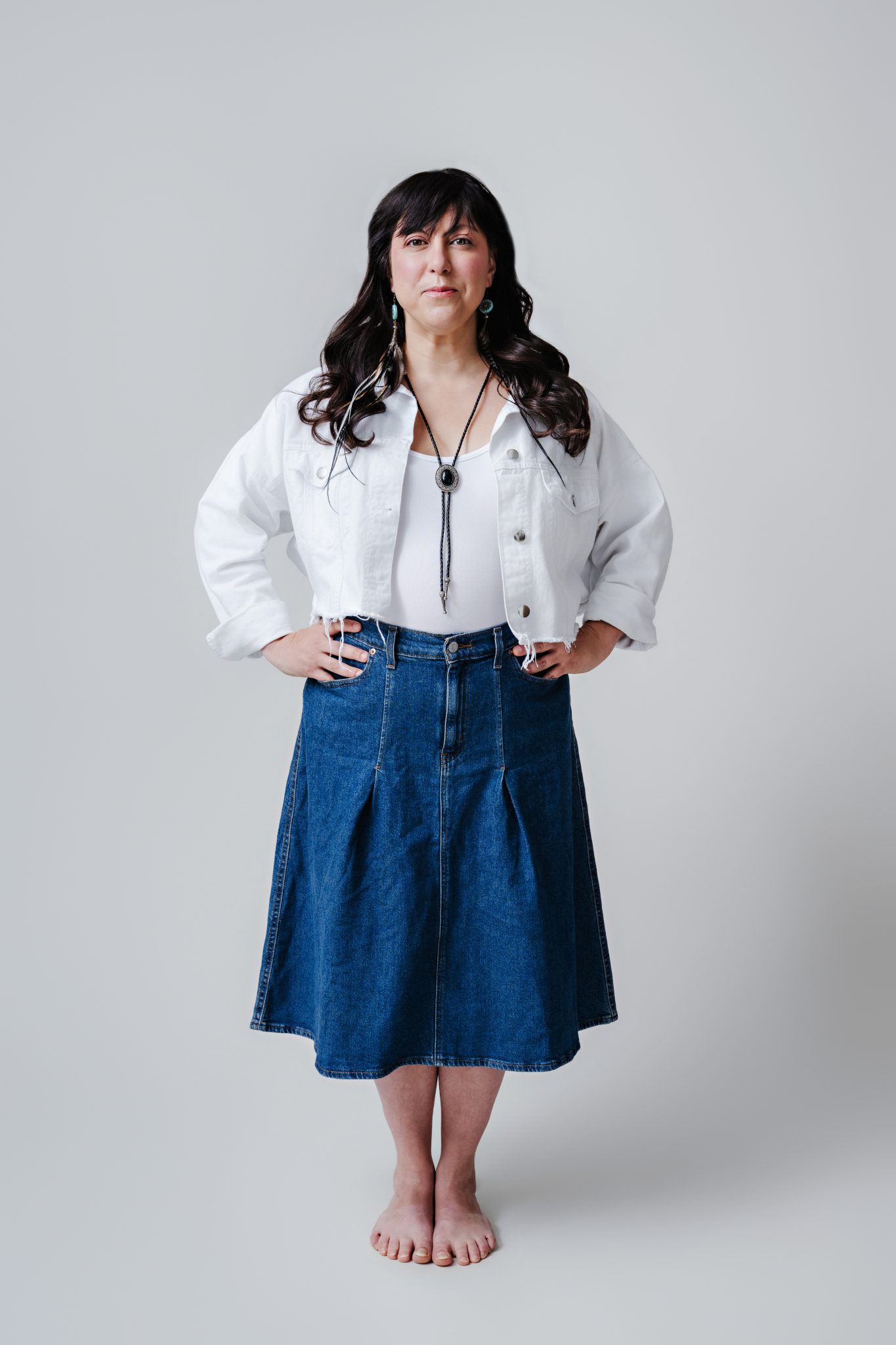
In February 2021, I started feeling pain in my right breast and asked my family doctor for a mammogram. I was 36 years old at the time, so I was told it was likely nothing. The results of the mammogram report said, “no cancer,” but also noted my breasts were extremely dense, which can make cancer harder to detect. I was reassured by the results, but still felt something wasn’t quite right.
June
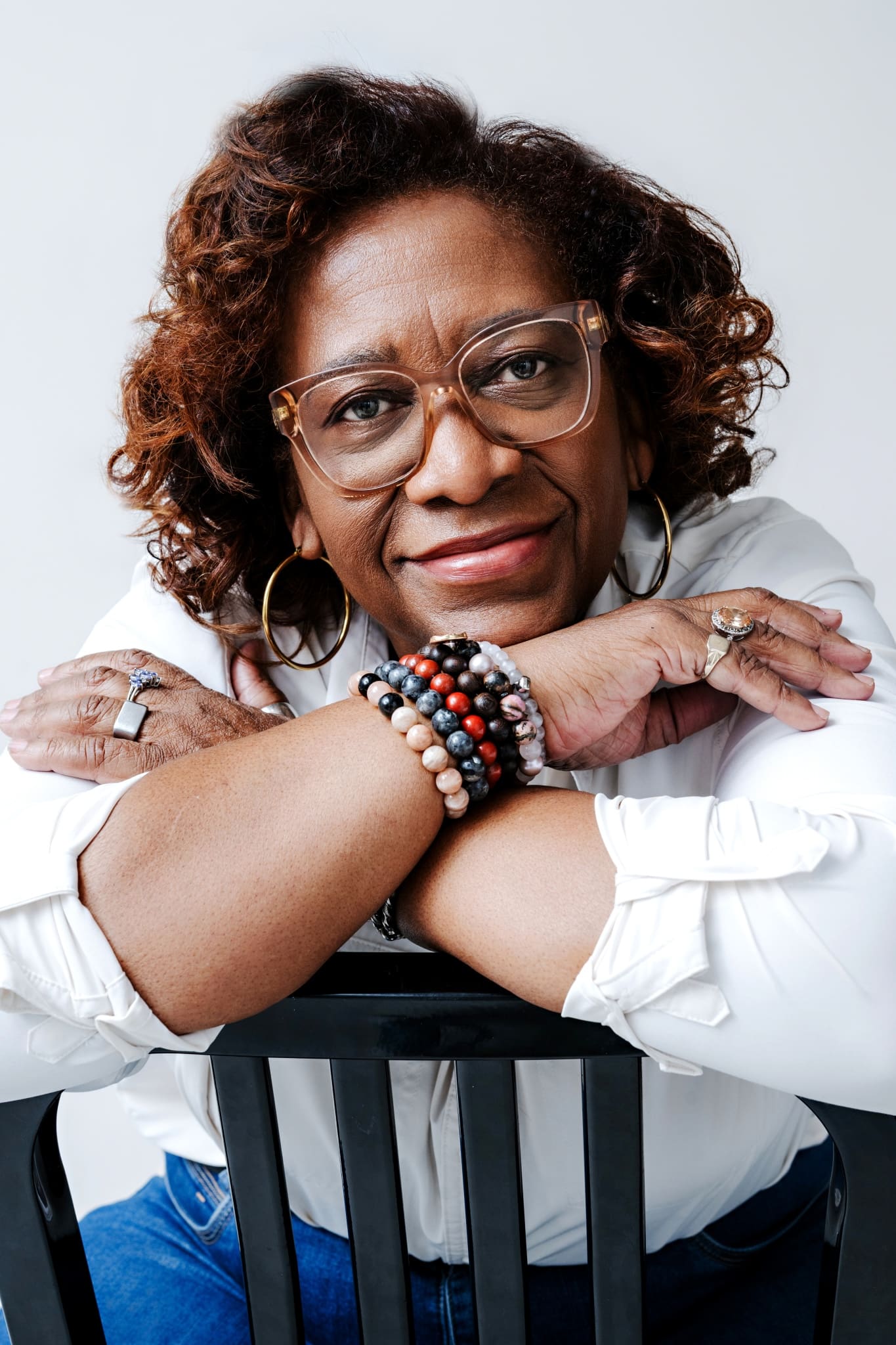
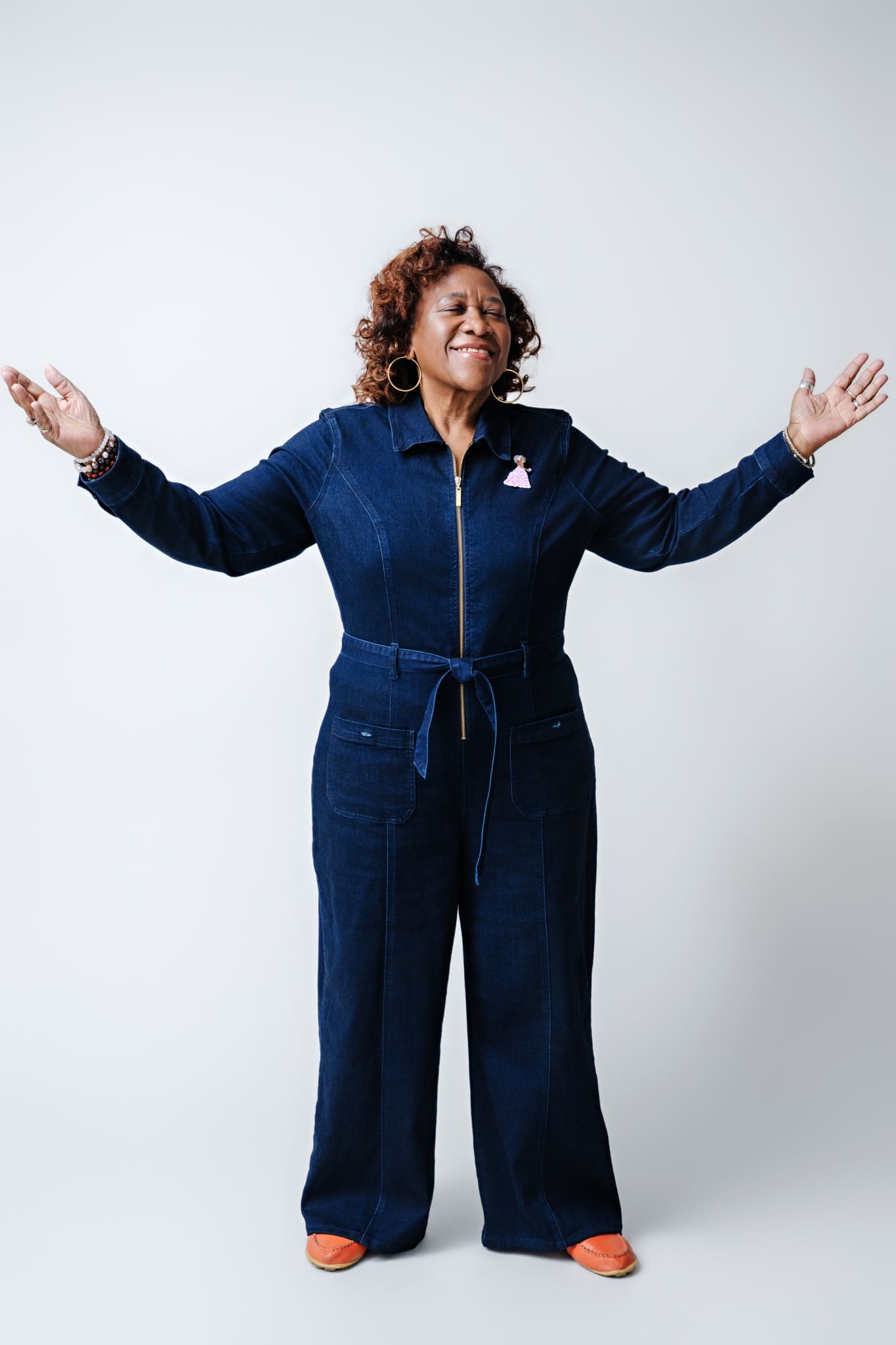
My diagnosis of triple-negative breast cancer, one of the most challenging experiences I’ve ever faced, became a catalyst for deeper meaning and advocacy. What began as a deeply personal and often overwhelming experience became a powerful awakening. As I moved through treatment and into survivorship, I became acutely aware of how isolating the journey can be, especially for Black women who often face additional barriers to care, support, and culturally relevant information.
Chelsea
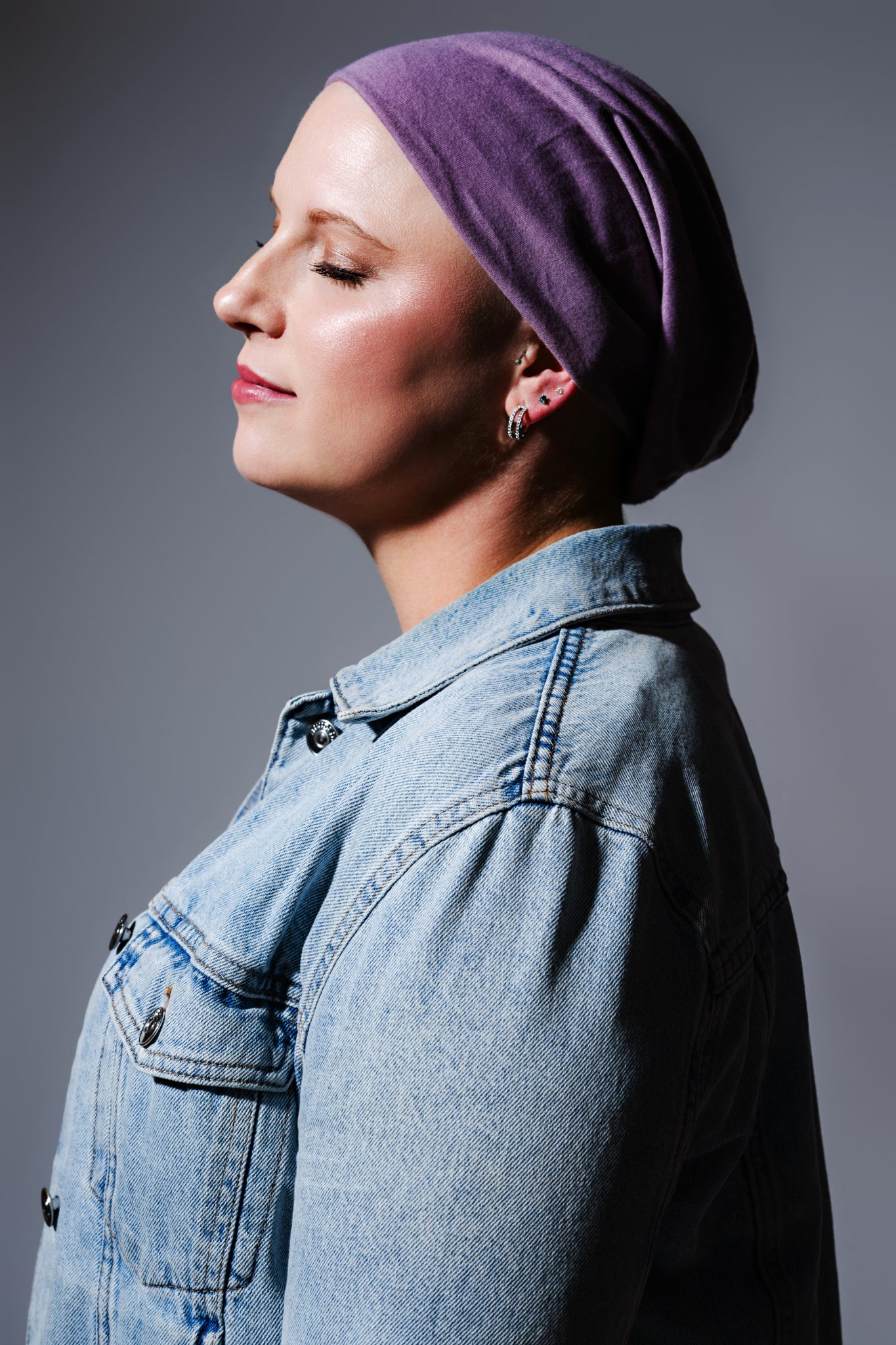
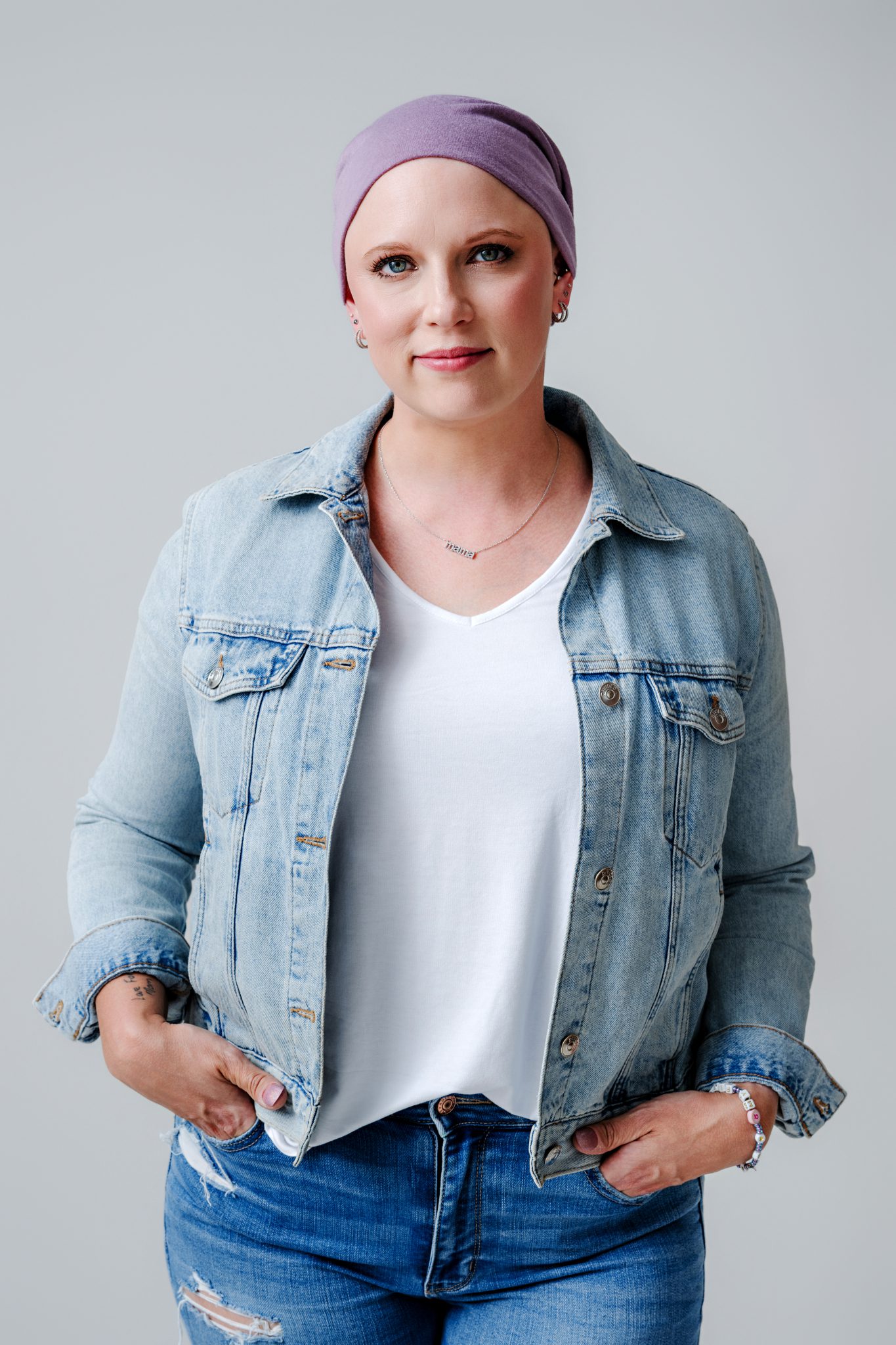
In an ironic turn of events, though, suddenly I was walking into the chemo suite, not as a nurse about to get my assignment for the day, but as a patient about to start treatment for my own cancer. It was me about to be poked for an IV, vitals checked, being closely observed for the same chemo infusion-related reactions I’d watched for in my own patients countless times by the same nurses who were colleagues just a few weeks prior.
Warren
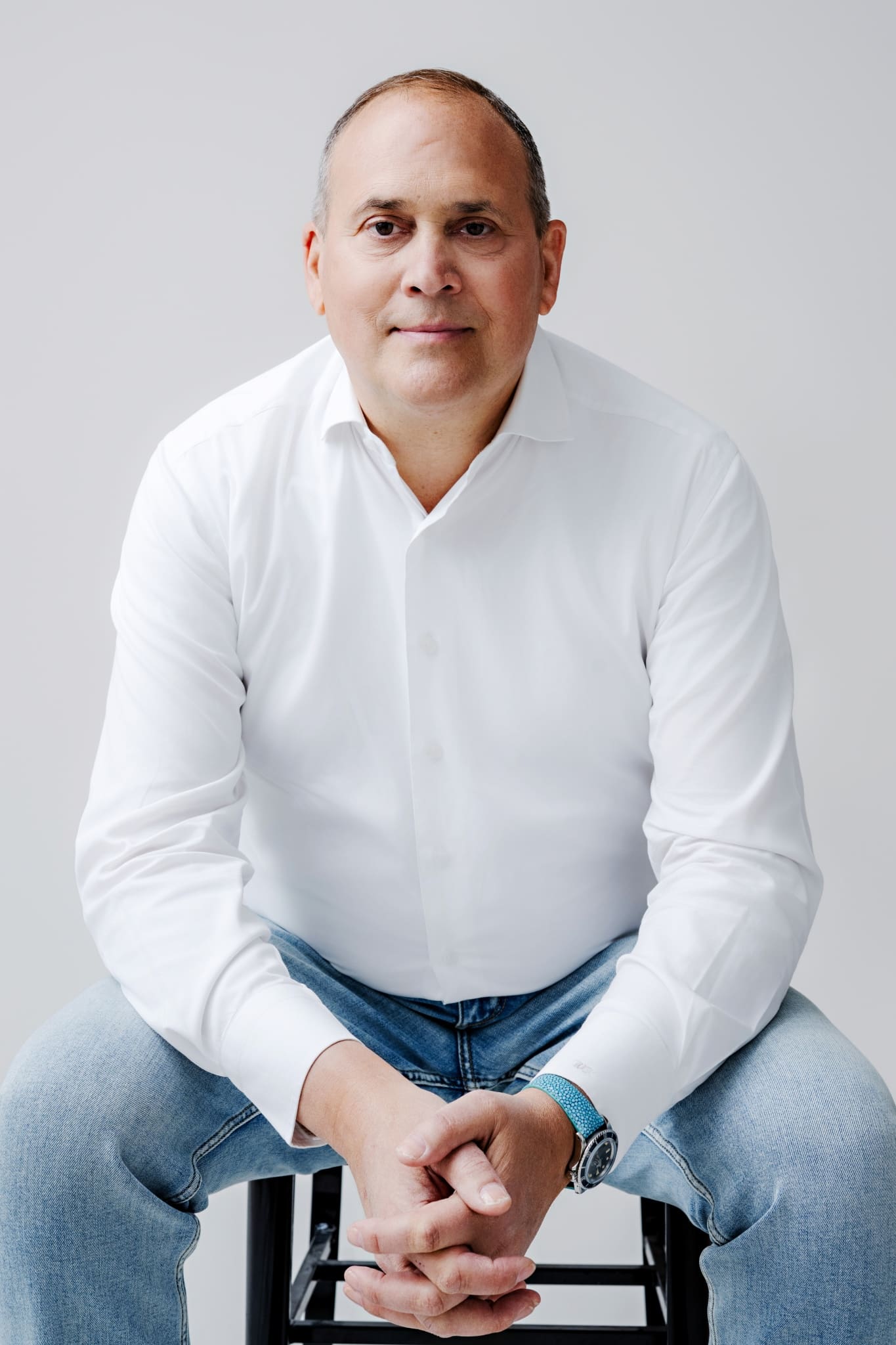
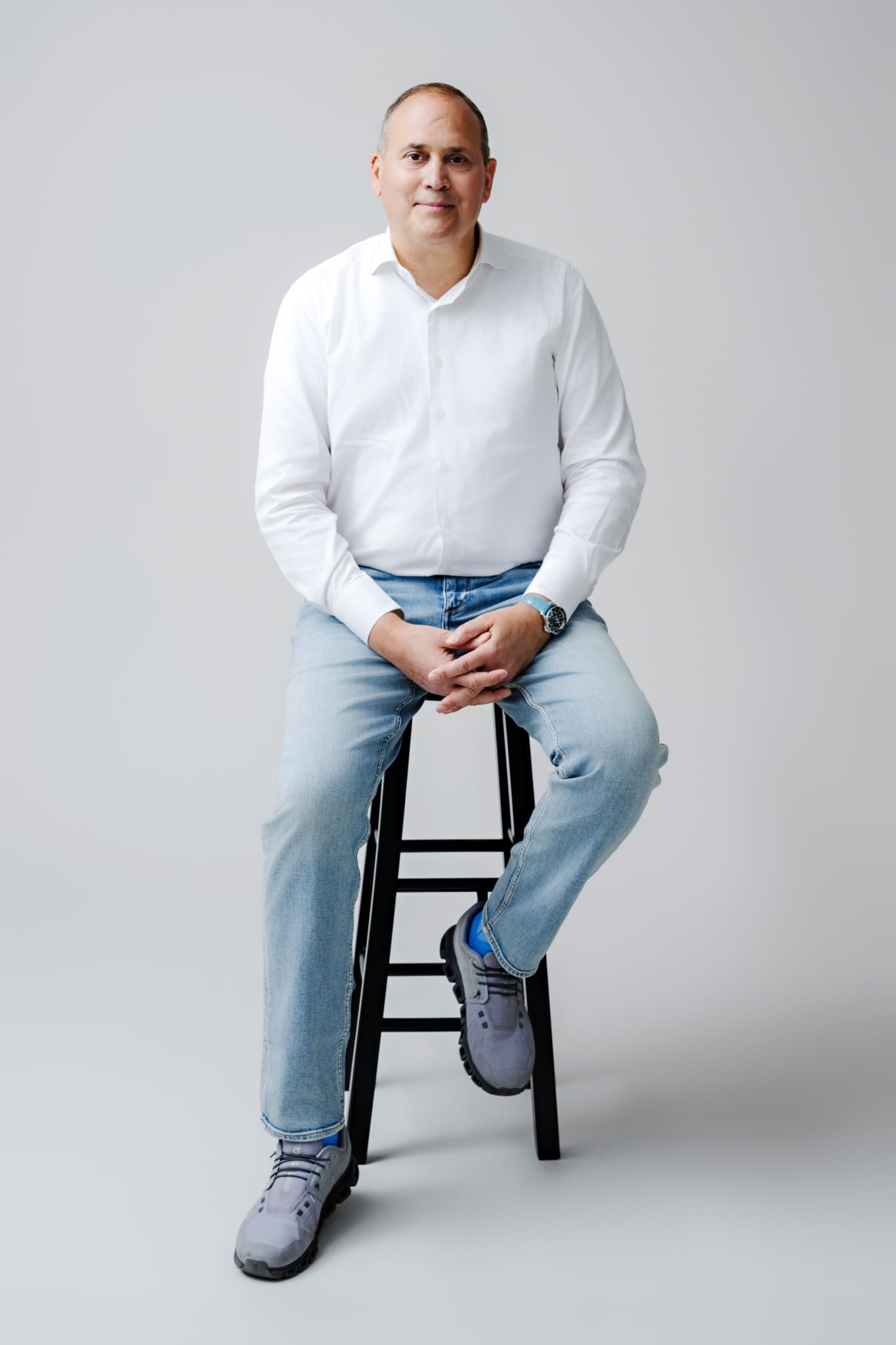
What started in the shower with Stage 2, evolved to Stage 4 and now a broken back! Sitting my children down and telling them I had Stage 2 was difficult and emotional. One month later, having to repeat this but with a Stage 4 diagnosis was nothing short of excruciating. To then have them see me in the hospital with a broken back was simply cruel.
Connie
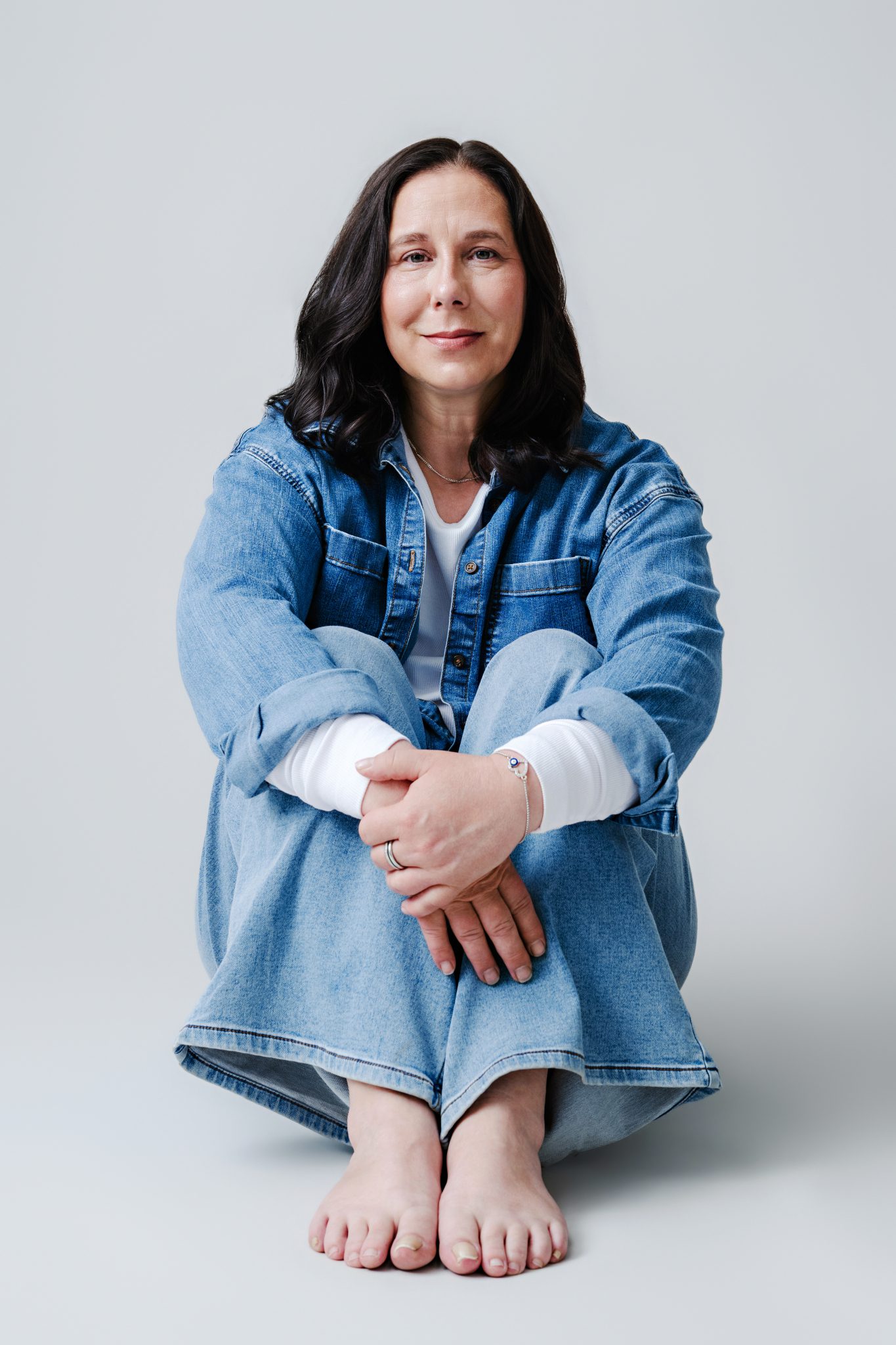
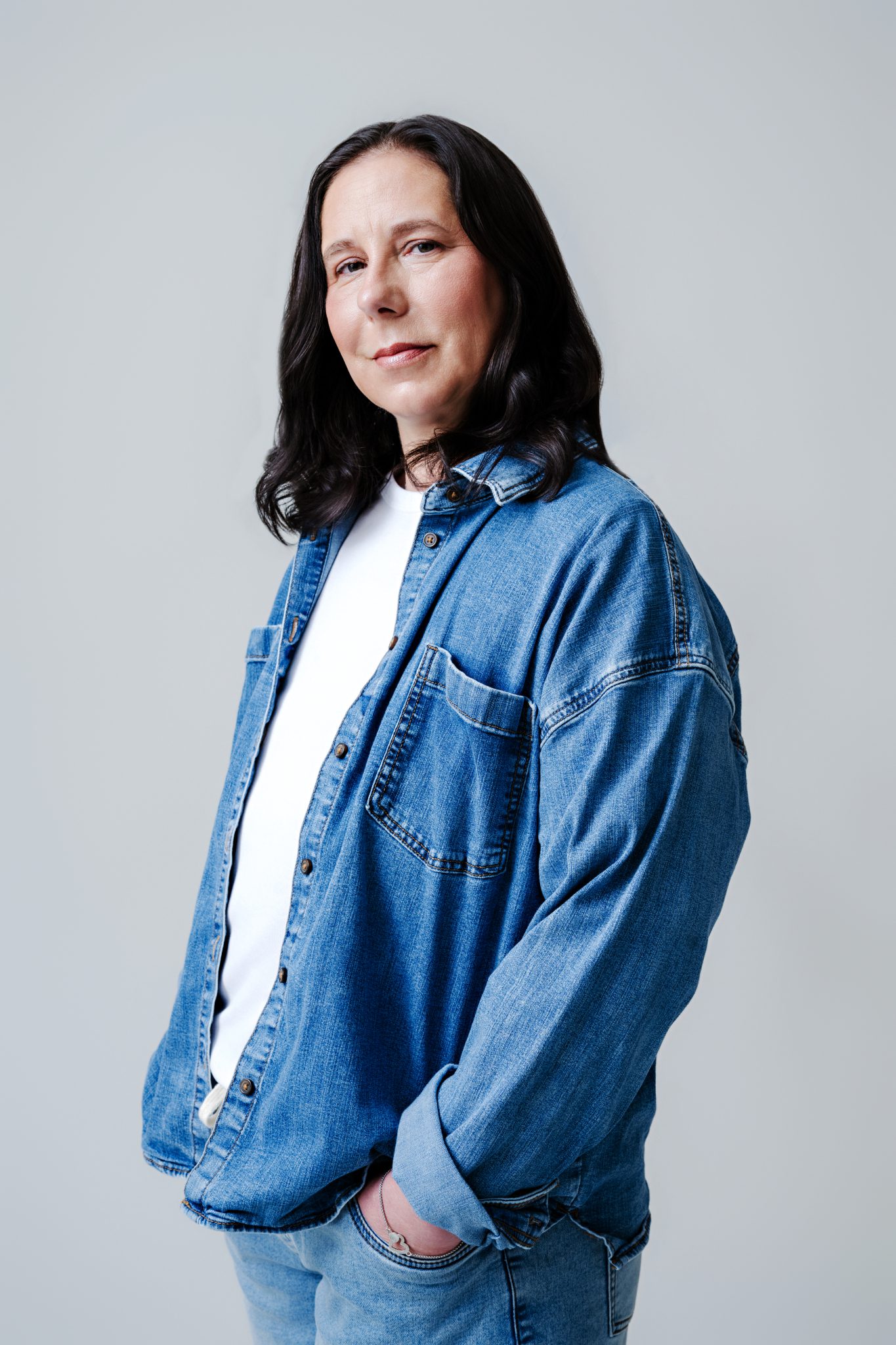
I reviewed statistics and spoke to other women who had once been in my position so that when it came time for my next appointment, I was armed with a wealth of knowledge, ready to stand up for myself and what I thought was the best course of action in my cancer journey….I was going to have a double mastectomy. My surgeon expressed his concerns, stating that it wasn’t protocol, but to hell with protocol! This was my body, my life, and my choice.
Twenty-six deeply personal stories of lives impacted by breast cancer.
Jan
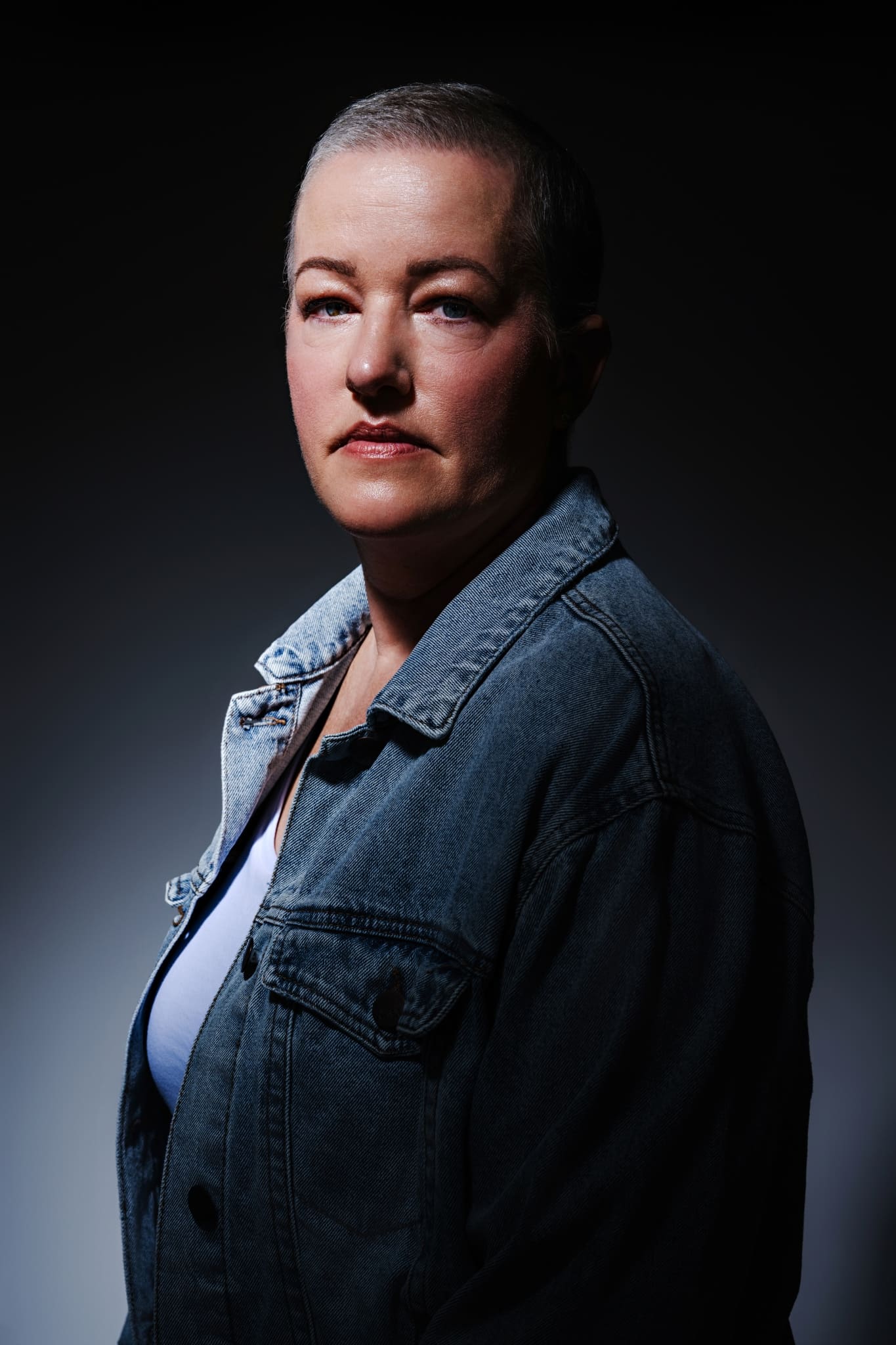
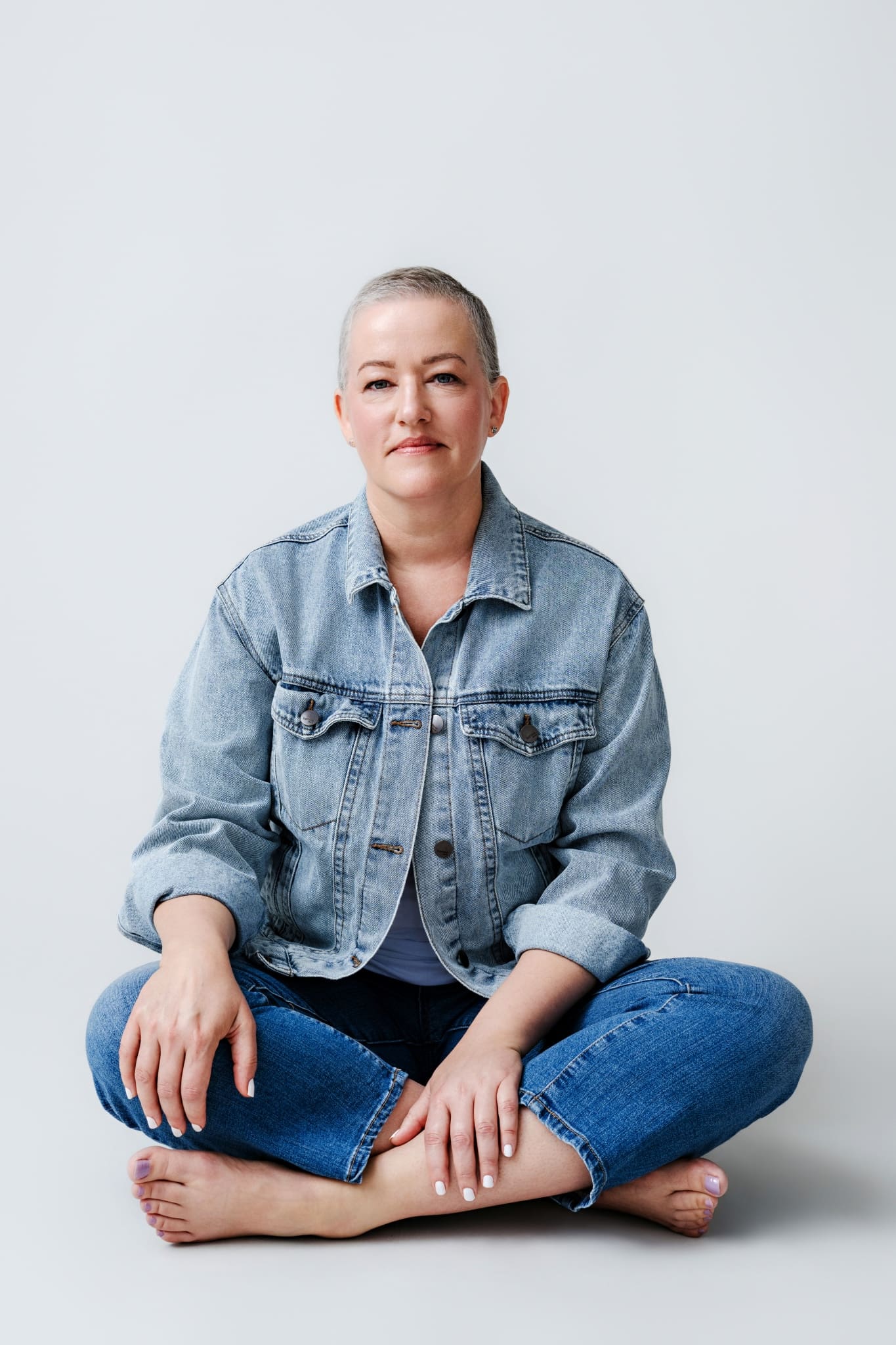
I regularly do breast self-exams and complete any and all check-ups and screenings. I booked my July mammogram because it was the wise thing to do, assuming I would get the all-clear and continue on with my summer. When the mammogram technician said she wanted to get a few more images of my left breast, I knew she spotted something…When breastfeeding my babies, I often got a clogged milk duct and ropey spot in that area, so I presumed it was par for the course with “leftie.”
Sandra
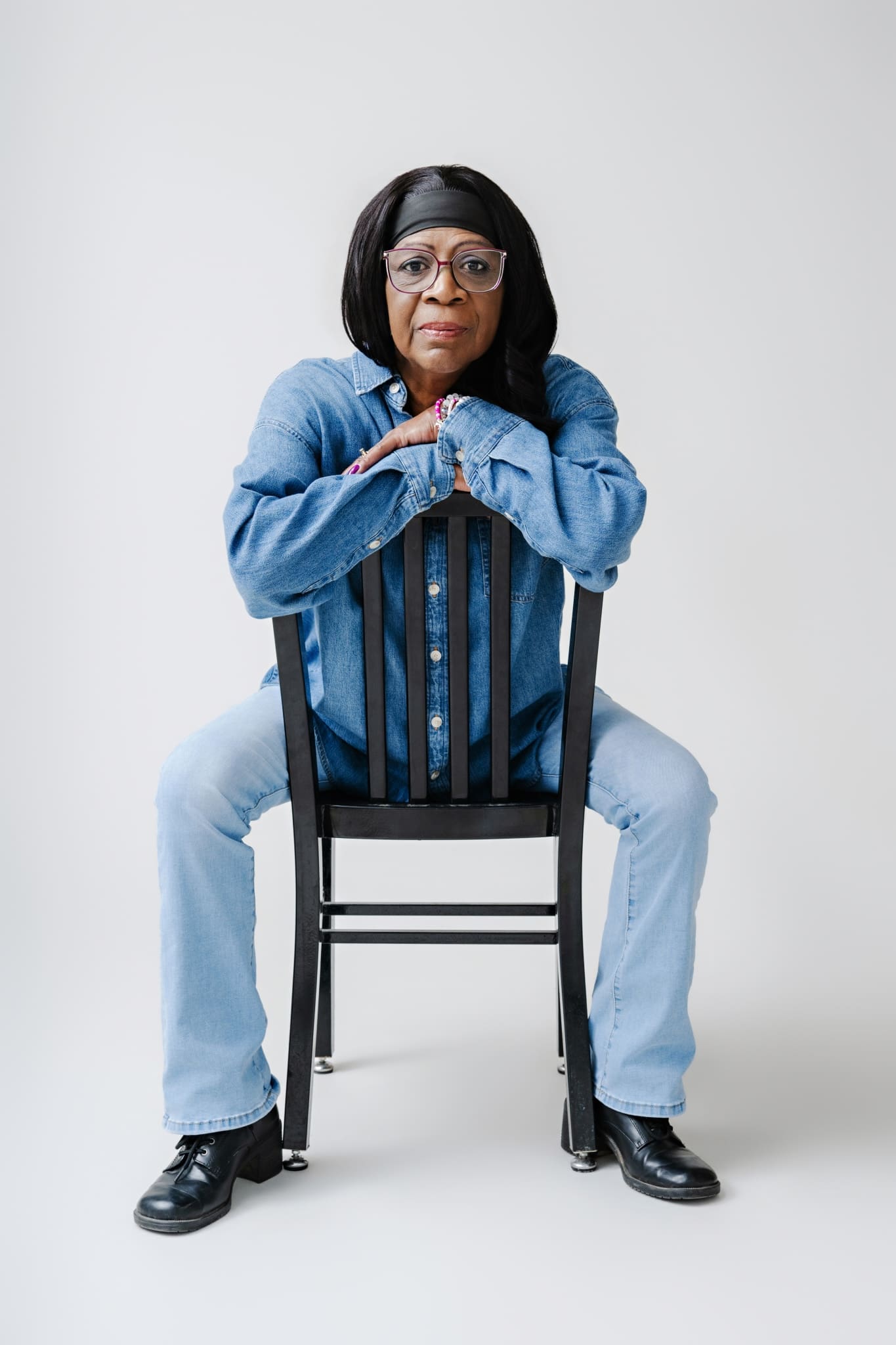
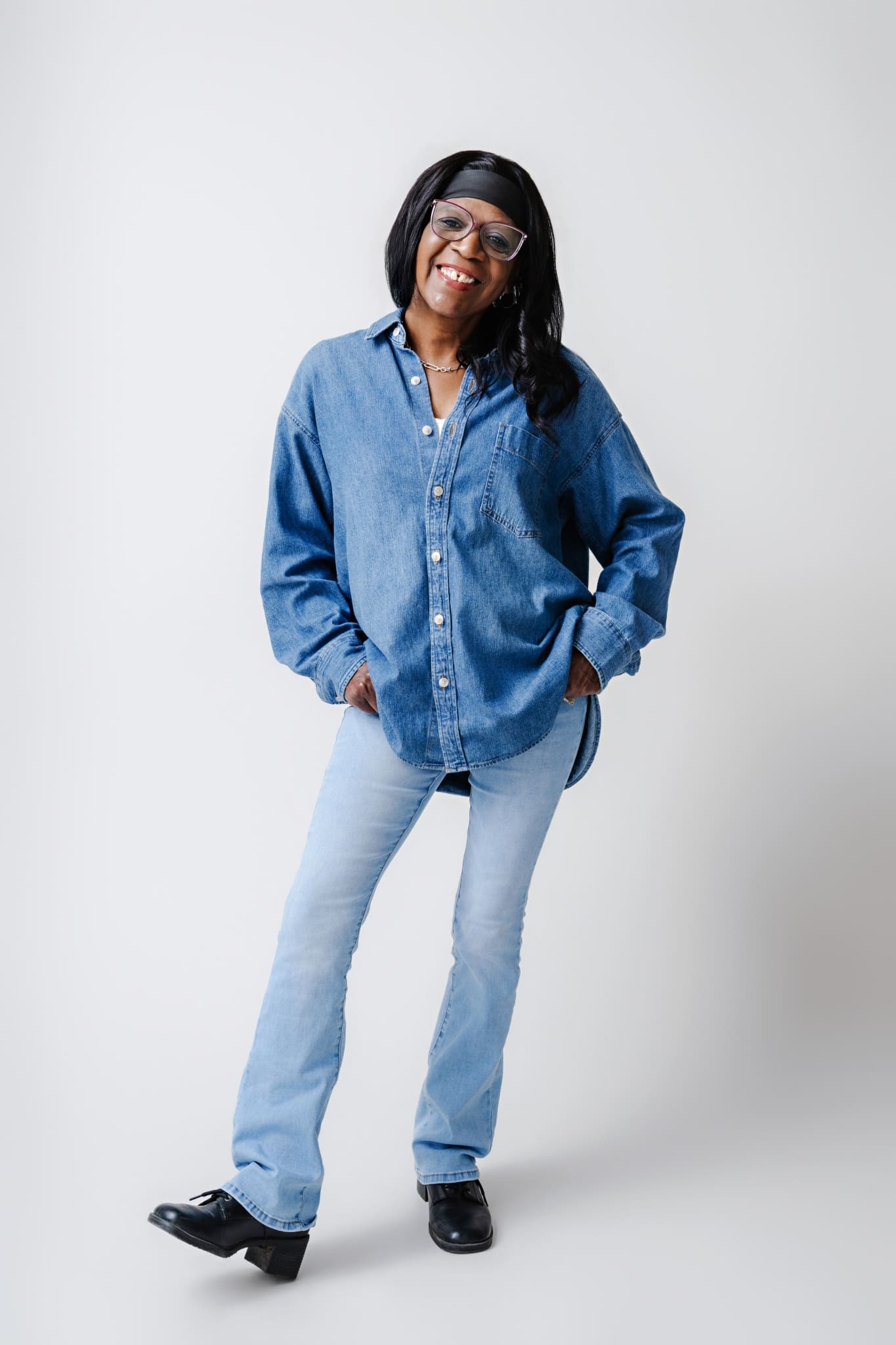
For months, maybe even a year, I would tell my partner Kevin that it hurt whenever someone hugged me. One evening, he finally looked at me and gently said, “You need to go to the doctor.” I almost didn’t go. Fear can sound reasonable when it whispers to you long enough. I convinced myself I was too busy, that it was probably nothing. But deep down, I knew something wasn’t right. Women know their bodies, and I knew mine was trying to tell me something.
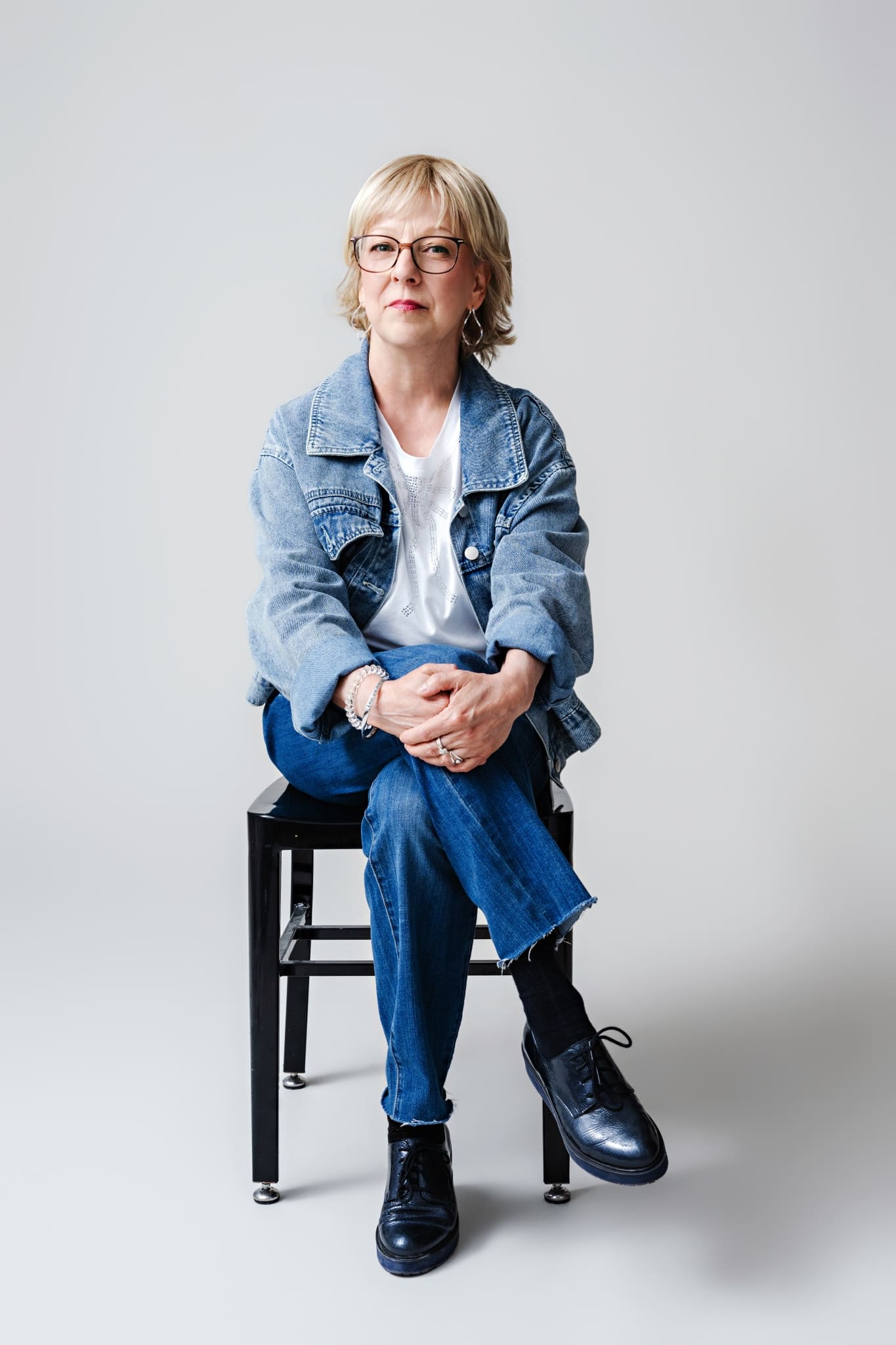
Laurie G.
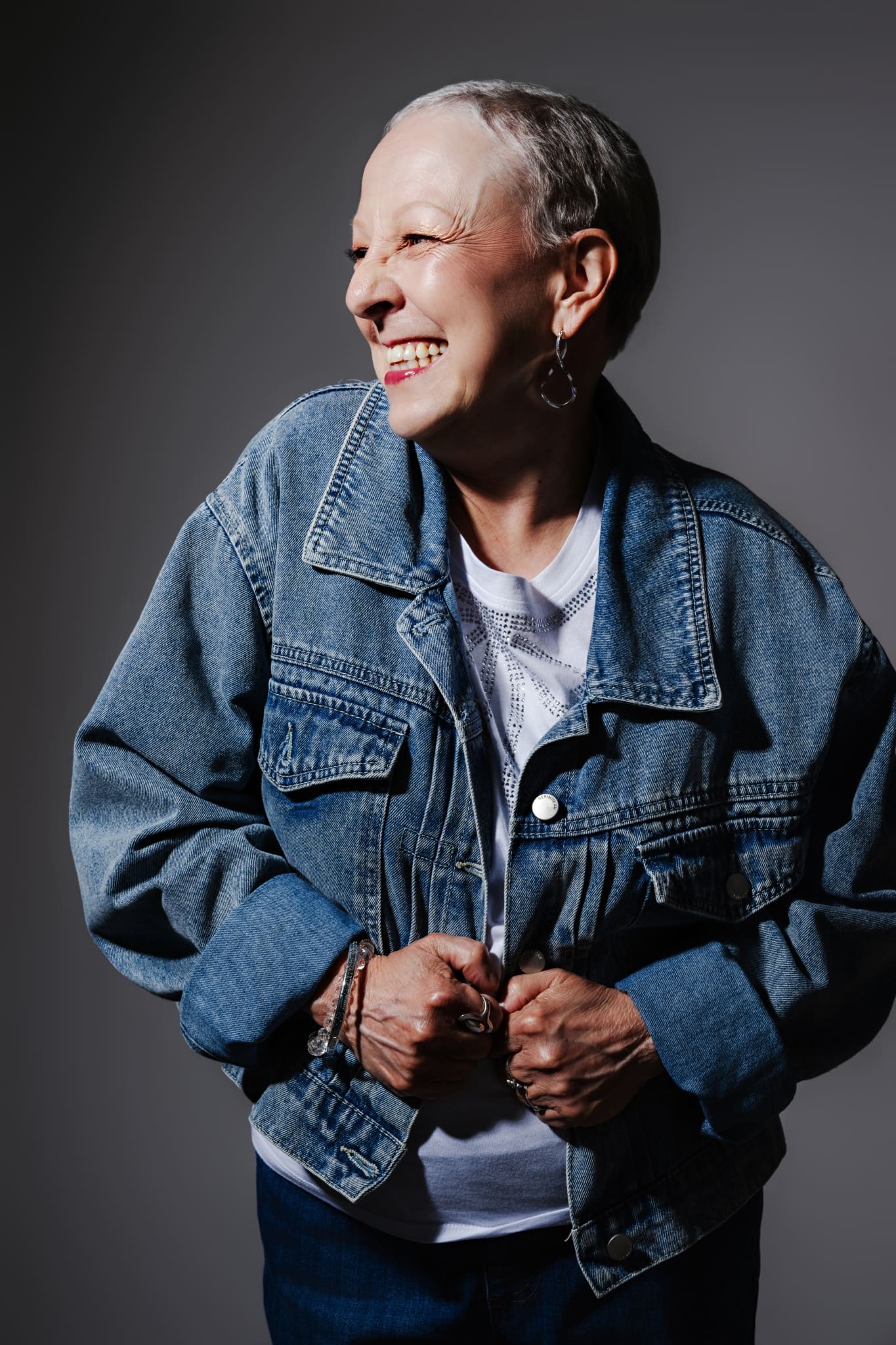
My oncologist explained that the PET scan had revealed suspicious spots in my spine and colon. Based on the fact that my breast cancer may have spread, the aim of treatment would be to manage the disease, not cure it. I sat in disbelief, struggling to absorb what I was hearing. My mind went blank, and tears flowed down my cheeks, as the reality of the situation began to sink in.
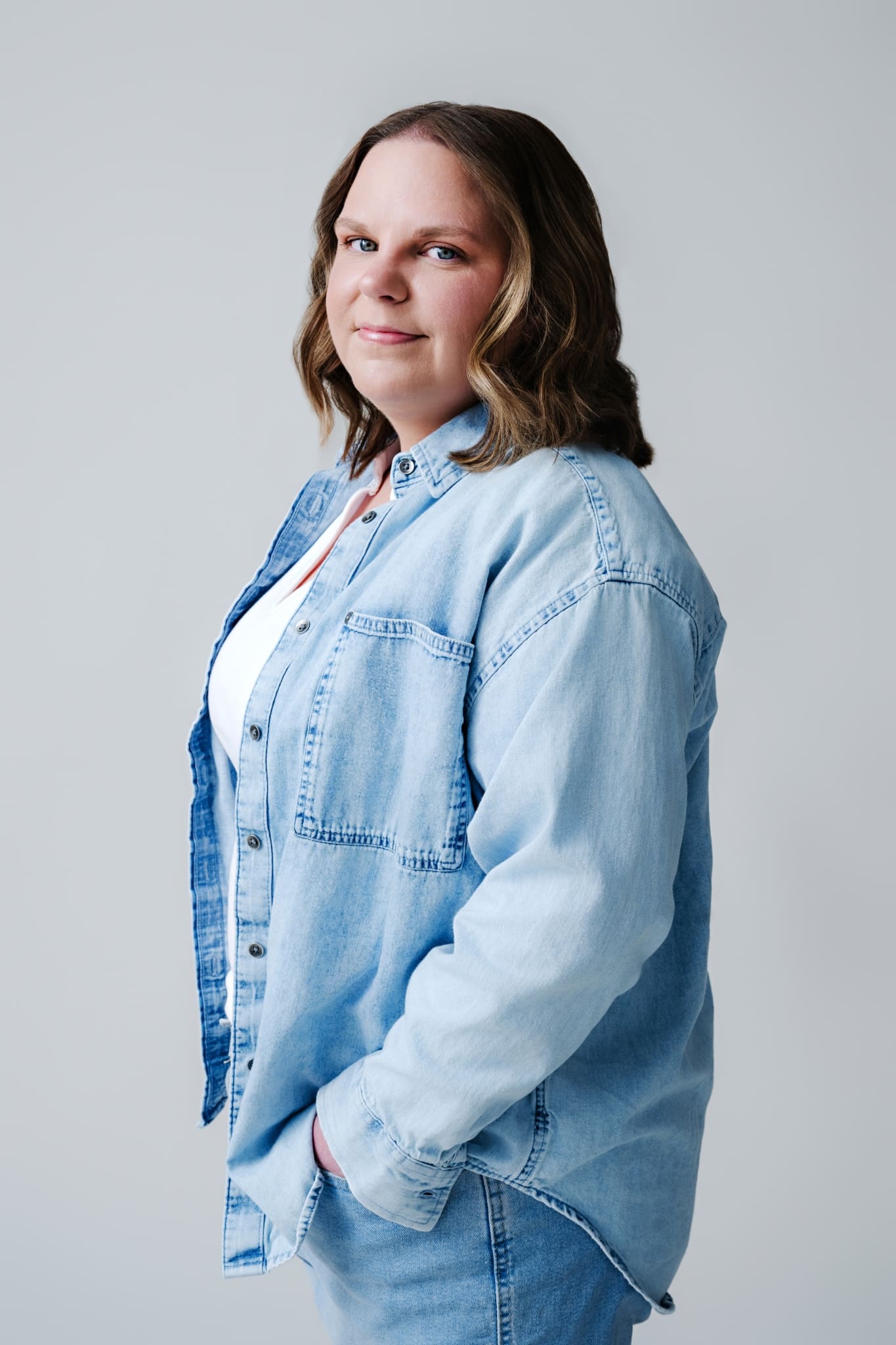
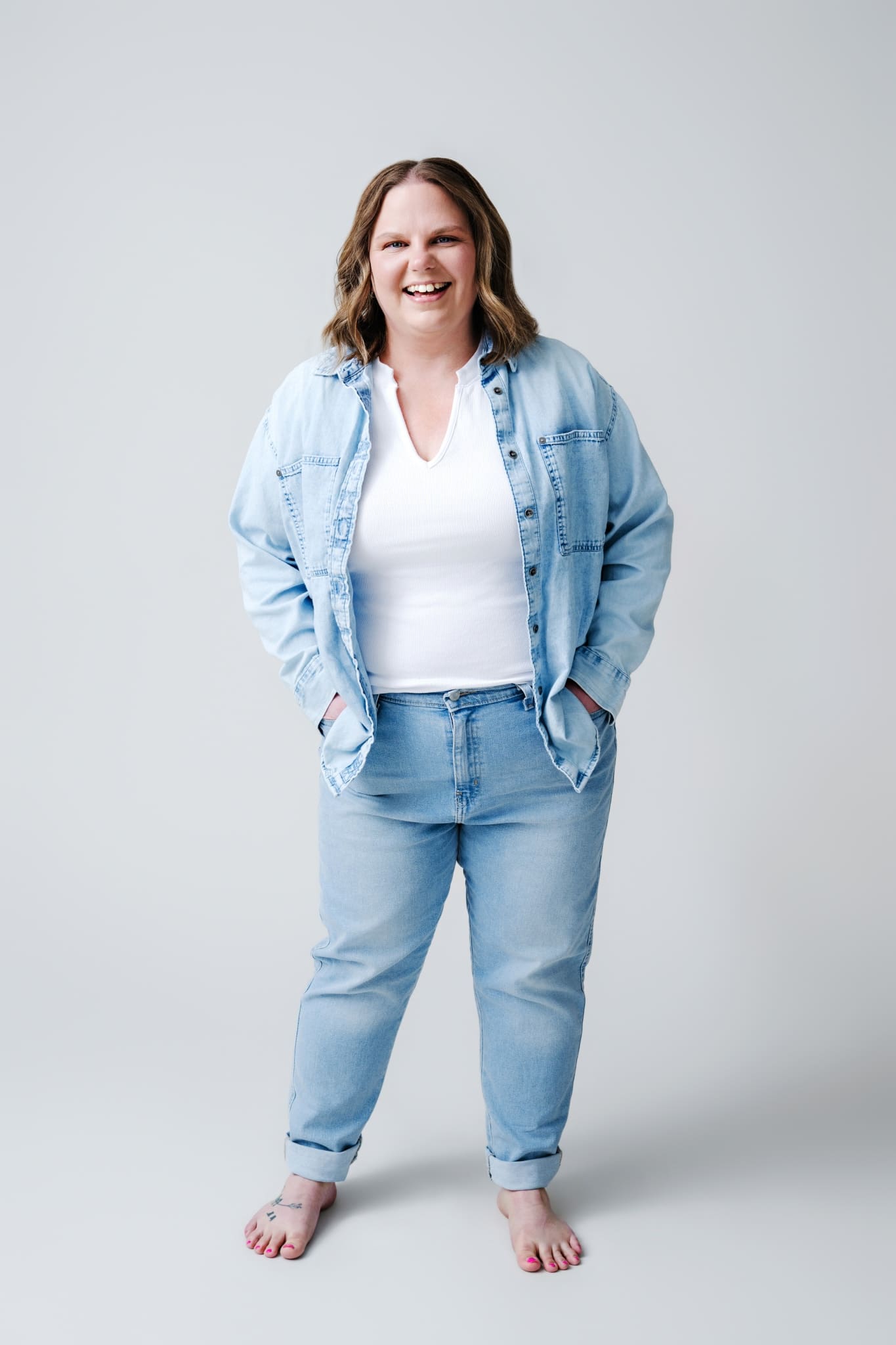
Sam
Around my third chemotherapy treatment, something shifted in me. I realized I was 38 years old, facing a disease many associate with older women. I felt a strong pull to advocate, to raise awareness that cancer does not discriminate by age. I thought about my daughter and the importance of teaching young women to understand their bodies and recognize changes early.
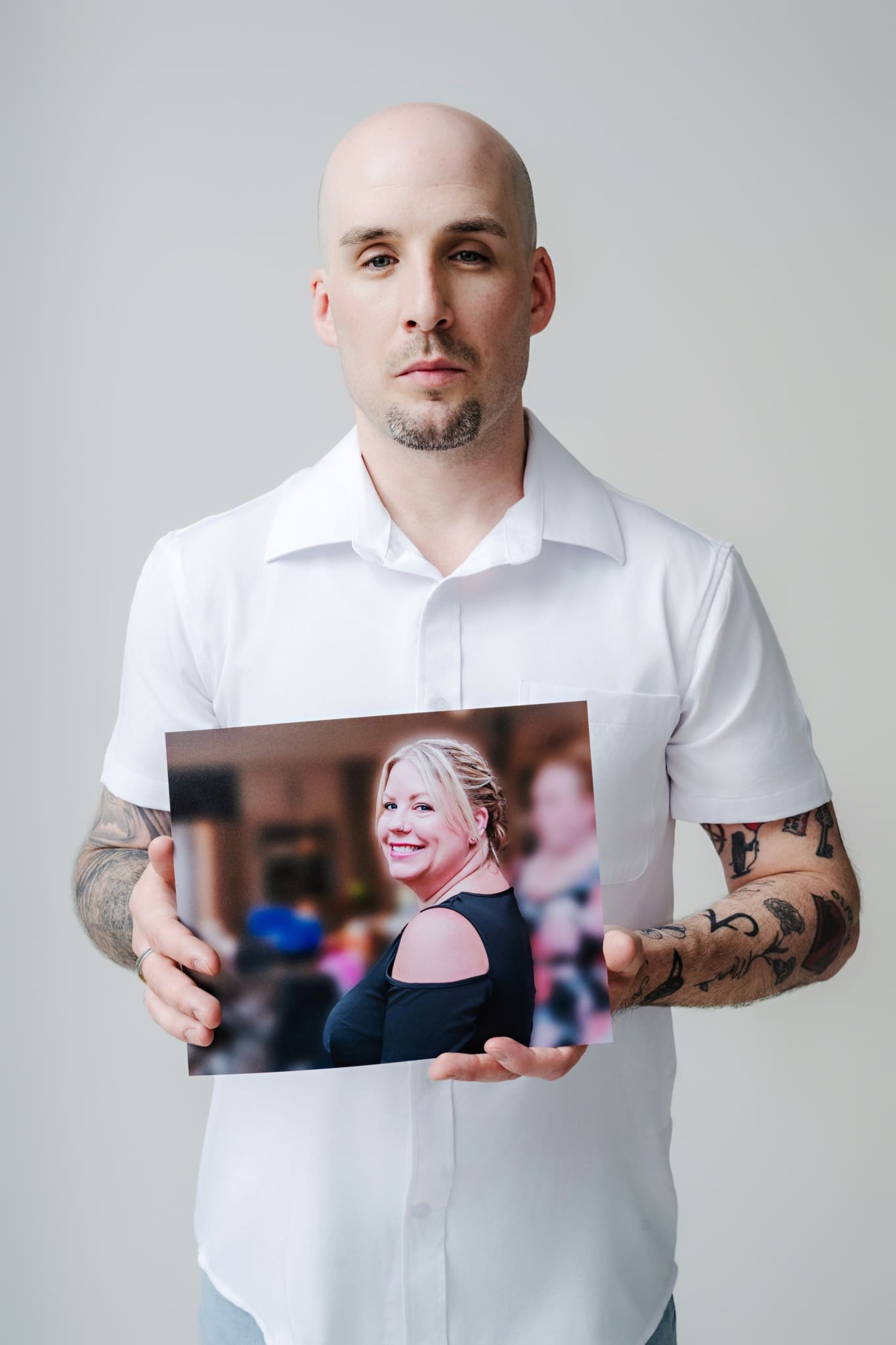
Matt
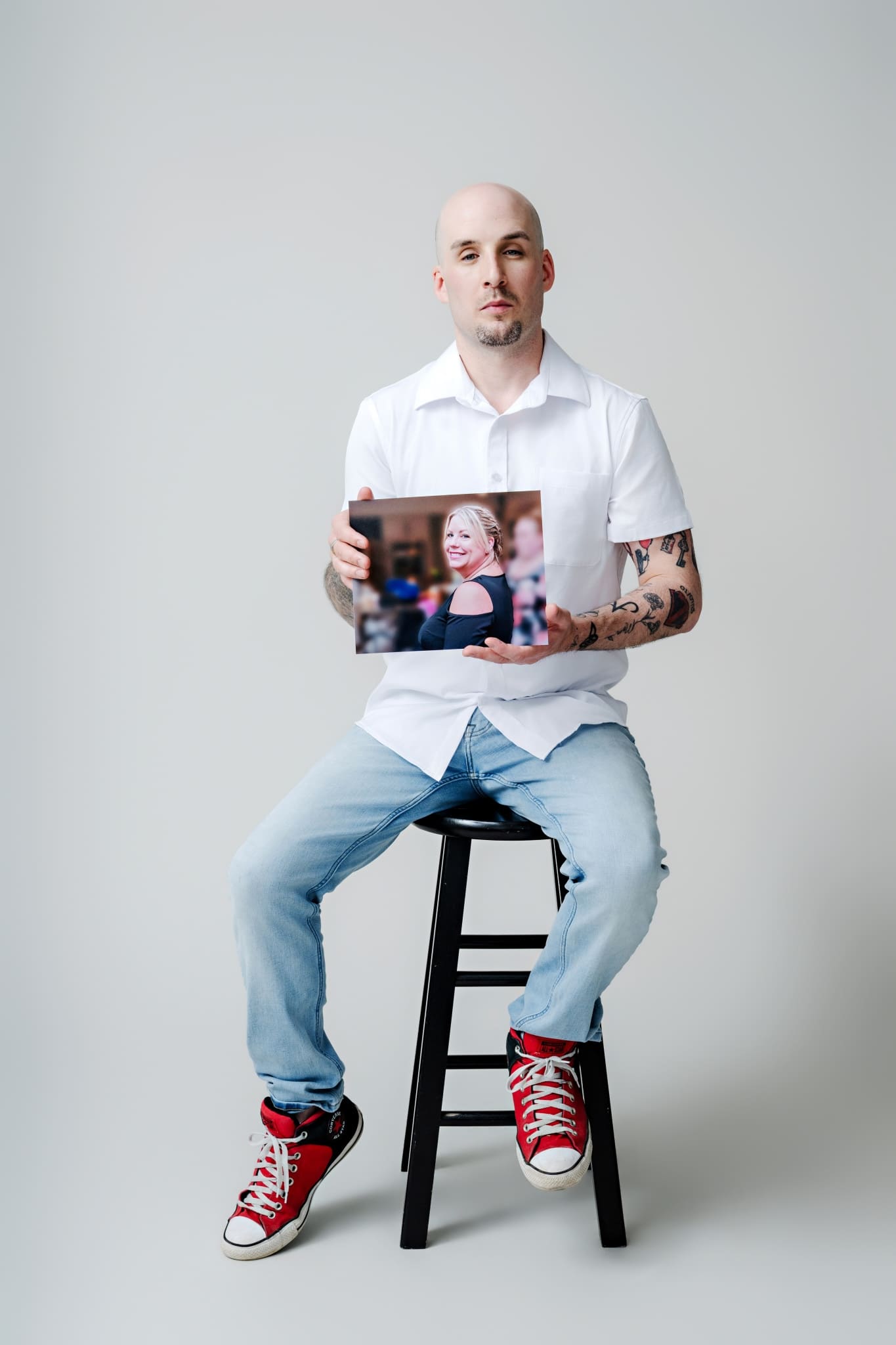
As unbearably painful as it is to relive all of this so soon, Meg deserved to have her story told and would hope that it will help people understand the importance of being proactive. You can never ask too many questions, especially when it comes down to your health. Knowledge is the best weapon you can have to fight back against any illness. She would also want people to understand the importance of being there for one another and using the time you have to the fullest. Tomorrow is never a guarantee.
Twenty-six deeply personal stories of lives impacted by breast cancer.
Mina
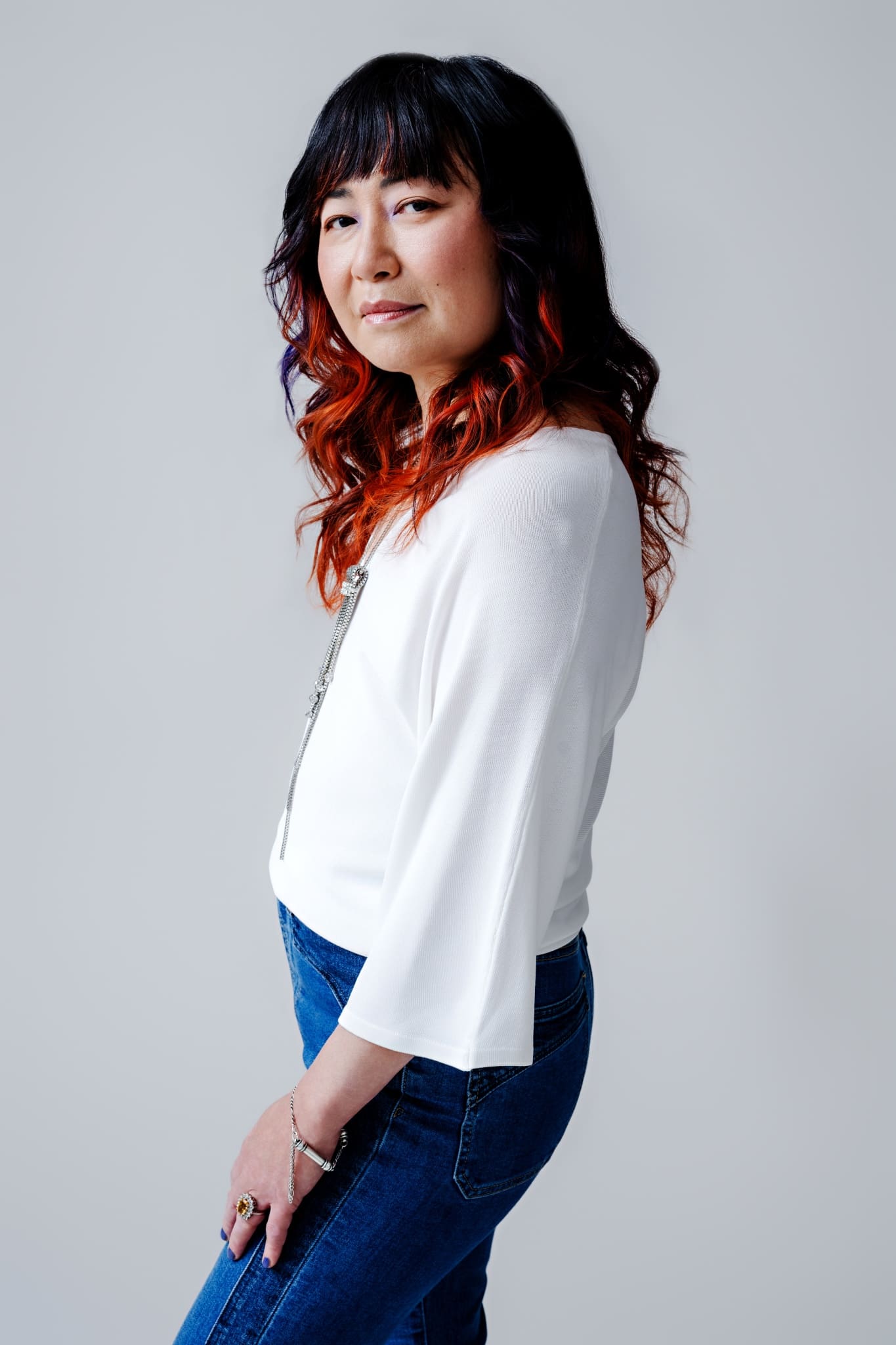
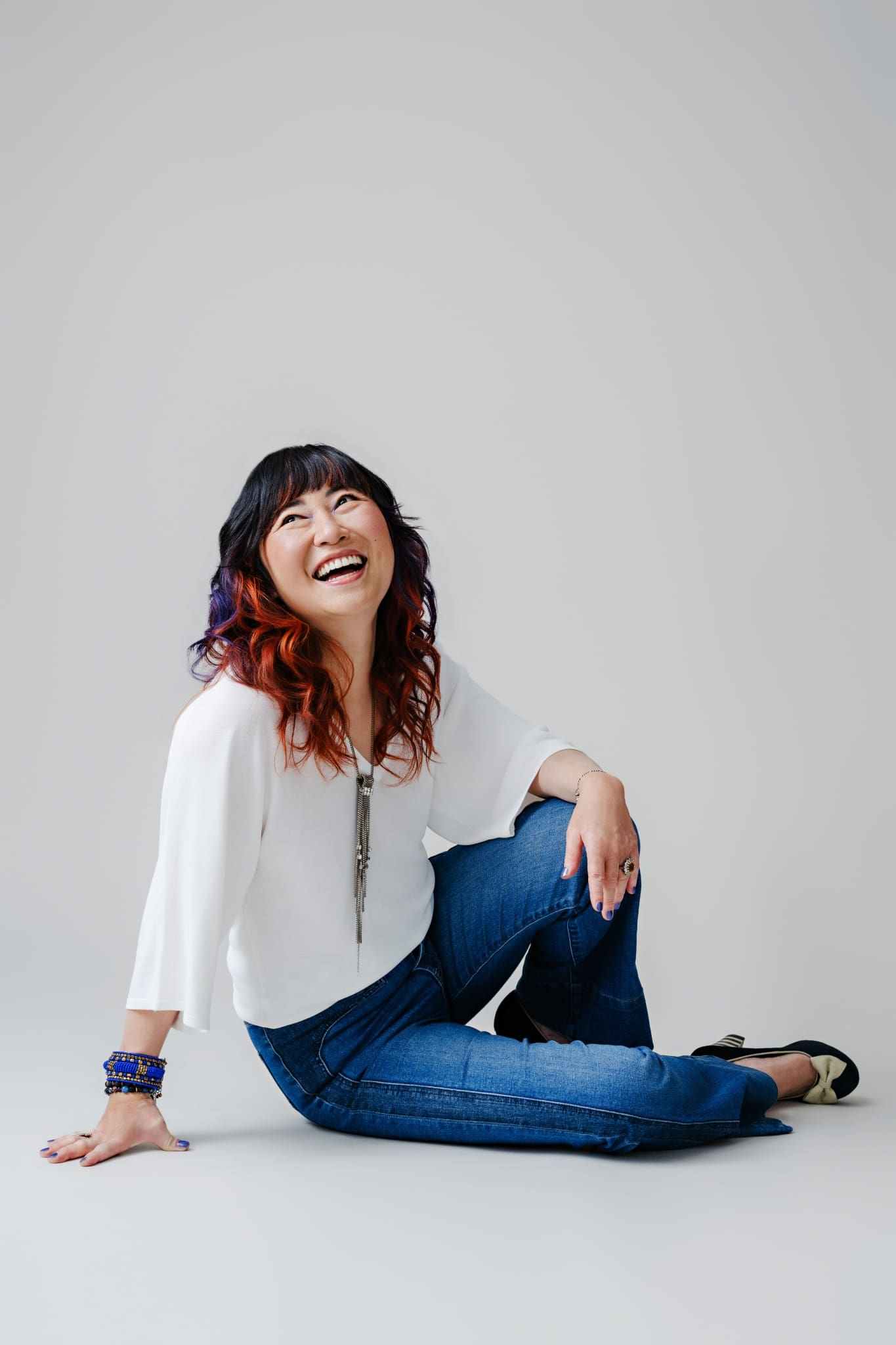
You know what I wish someone had told me? That you can do everything right and still get cancer. I was deep in the holistic health space for nearly 20 years as a personal trainer, obsessed with fitness and nutrition. I genuinely believed that if you lived well enough, ate well enough, and moved your body well enough, then you could prevent most major diseases… So, when I found that lump in my breast in 2017, I was only slightly concerned.
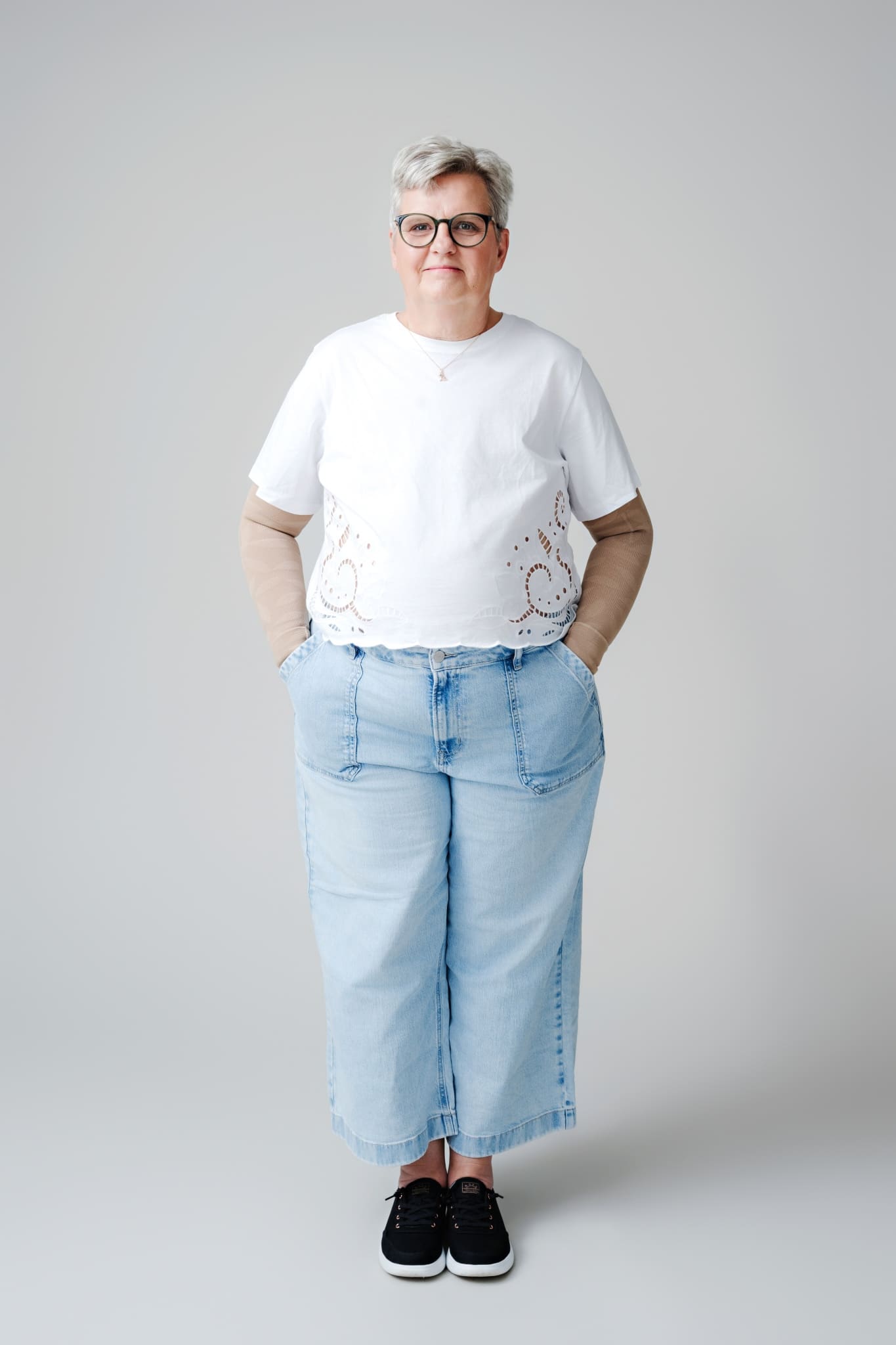
Laurie K.
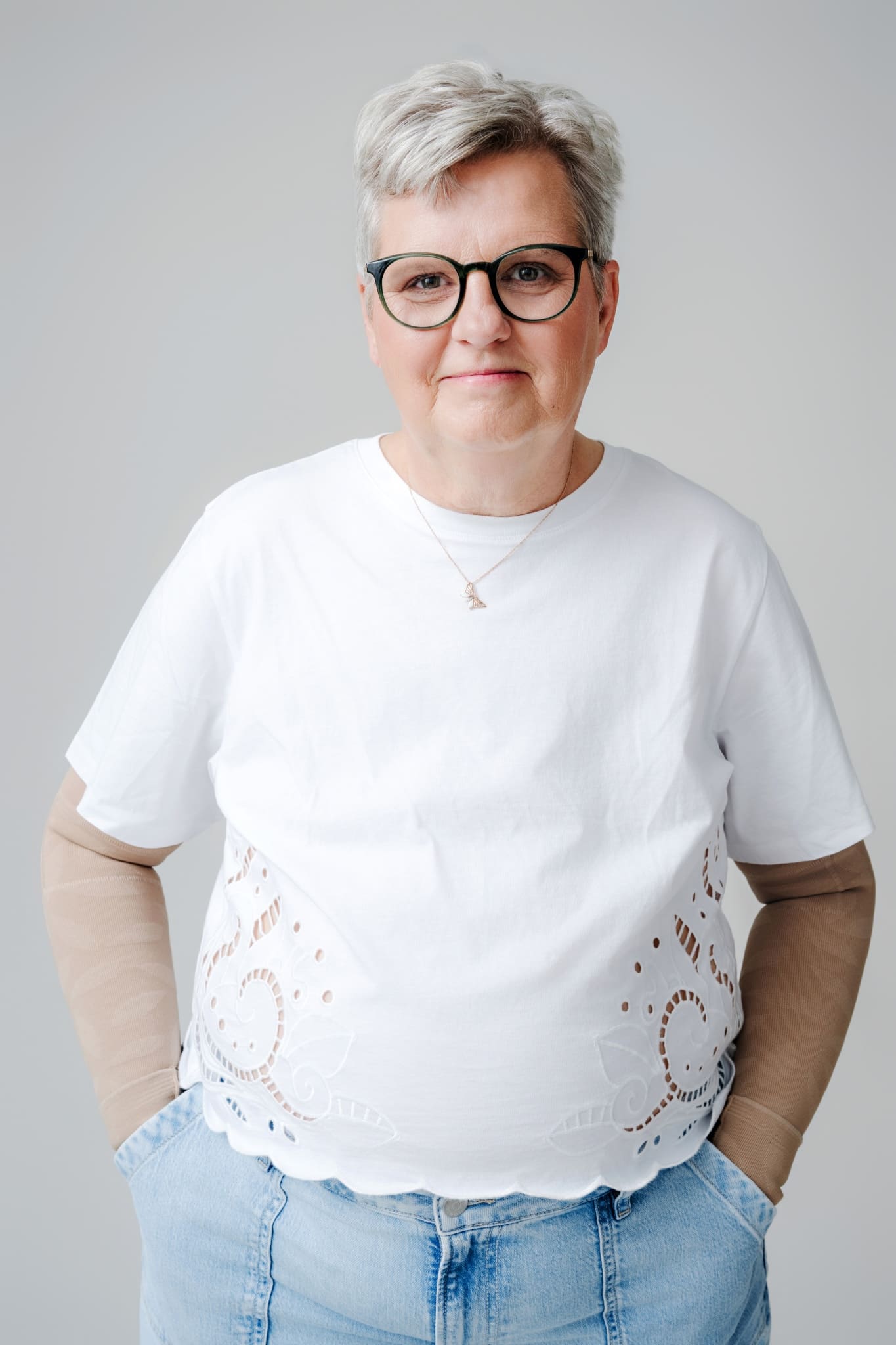
I never wore a wig. I chose to embrace it fully. And in doing so, something meaningful happened. One day, another woman who had always worn her wig came in without it. She looked at me and said, “If you can do it, I can do it too.” That moment has stayed with me. It showed me how simply being yourself can give others courage.
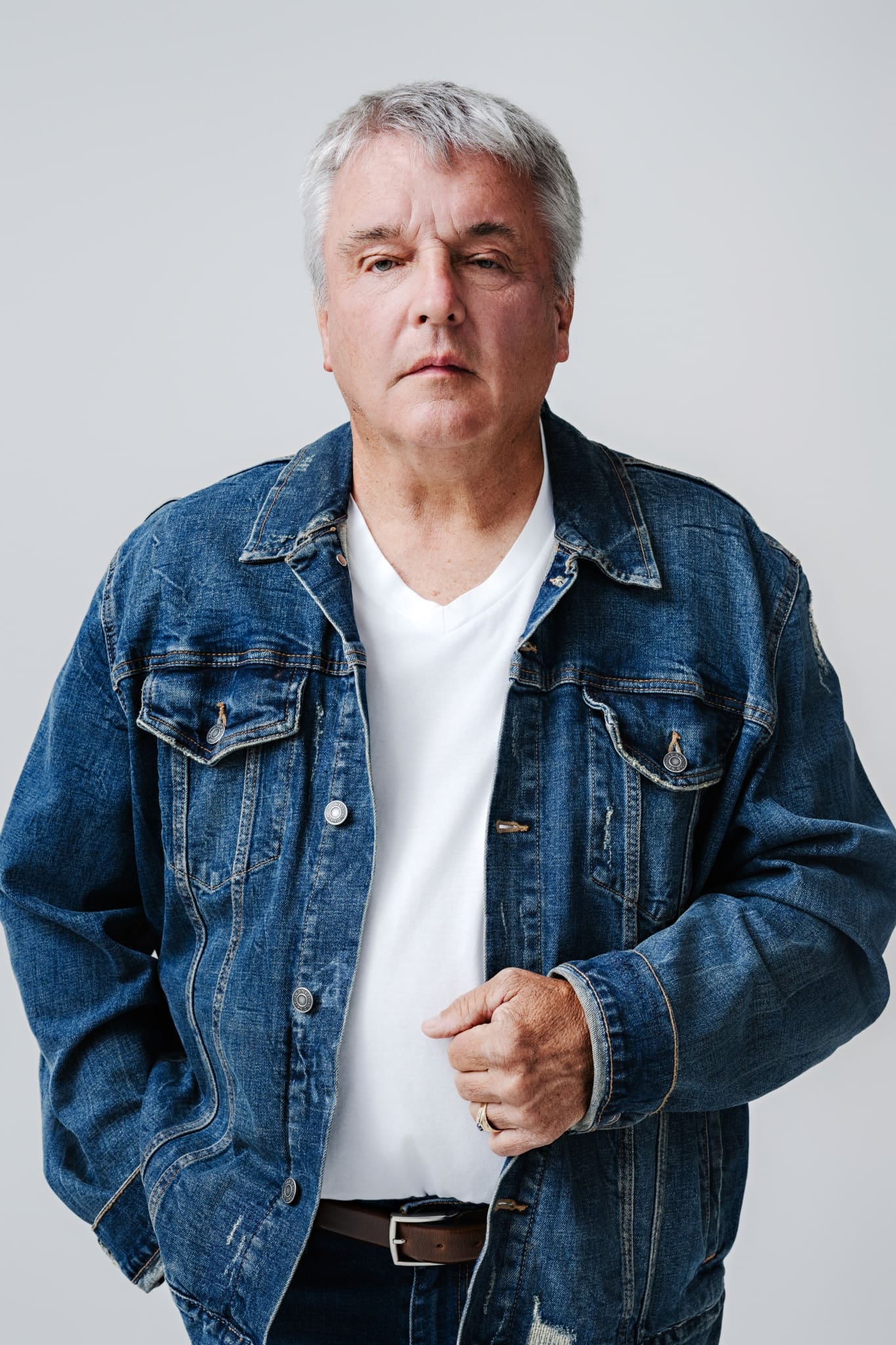
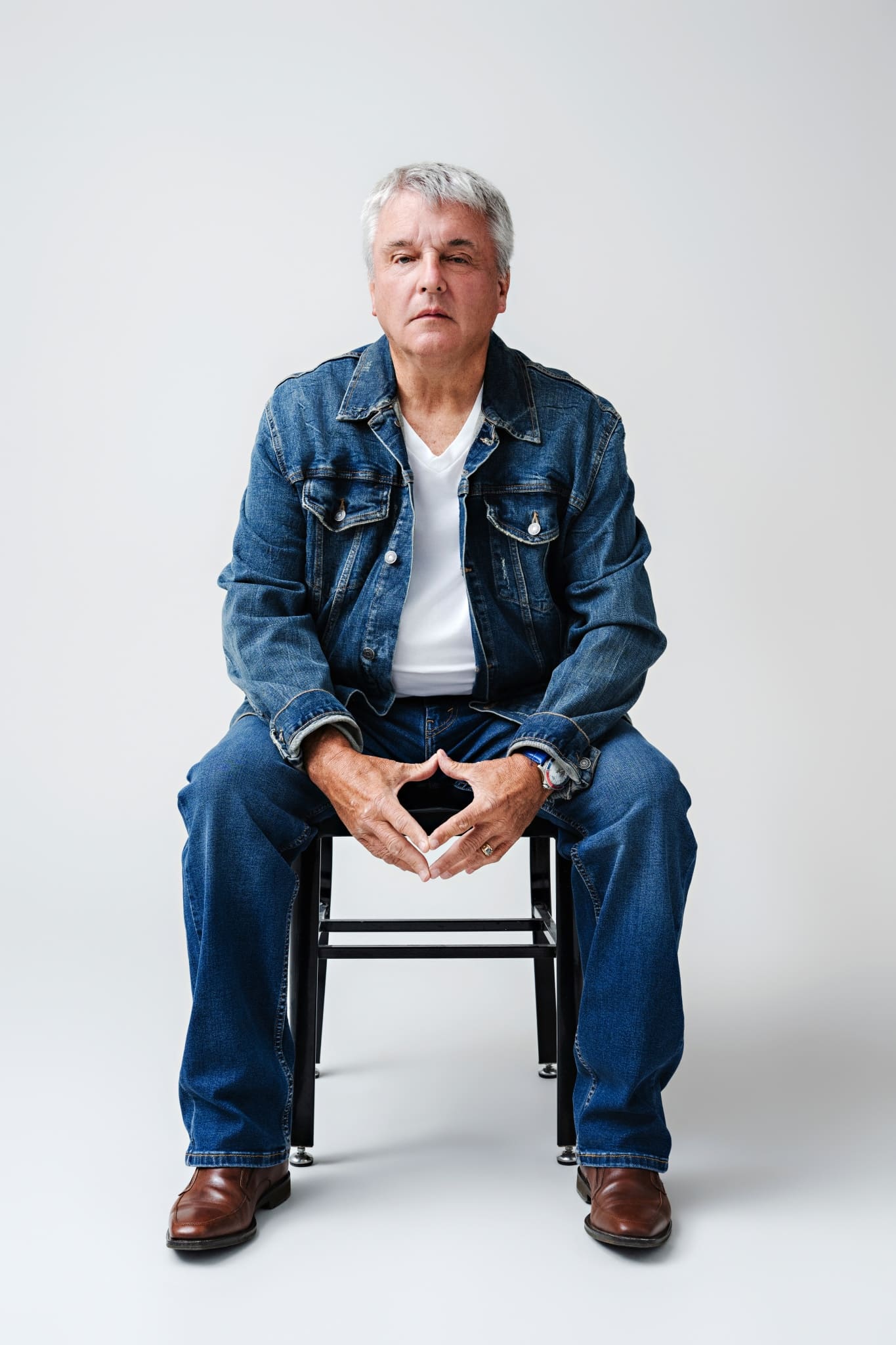
Johnny
Like many men, breast cancer was never something I imagined would be a part of my story. I’ve never been the kind of guy who makes a big deal out of things…So, when I felt a lump in my chest in October 2017, I didn’t think much of it. I figured I’d bumped into something at work. It happens…That’s what I told myself. I didn’t say anything to anyone. Cancer wasn’t even on my radar, and definitely not breast cancer.
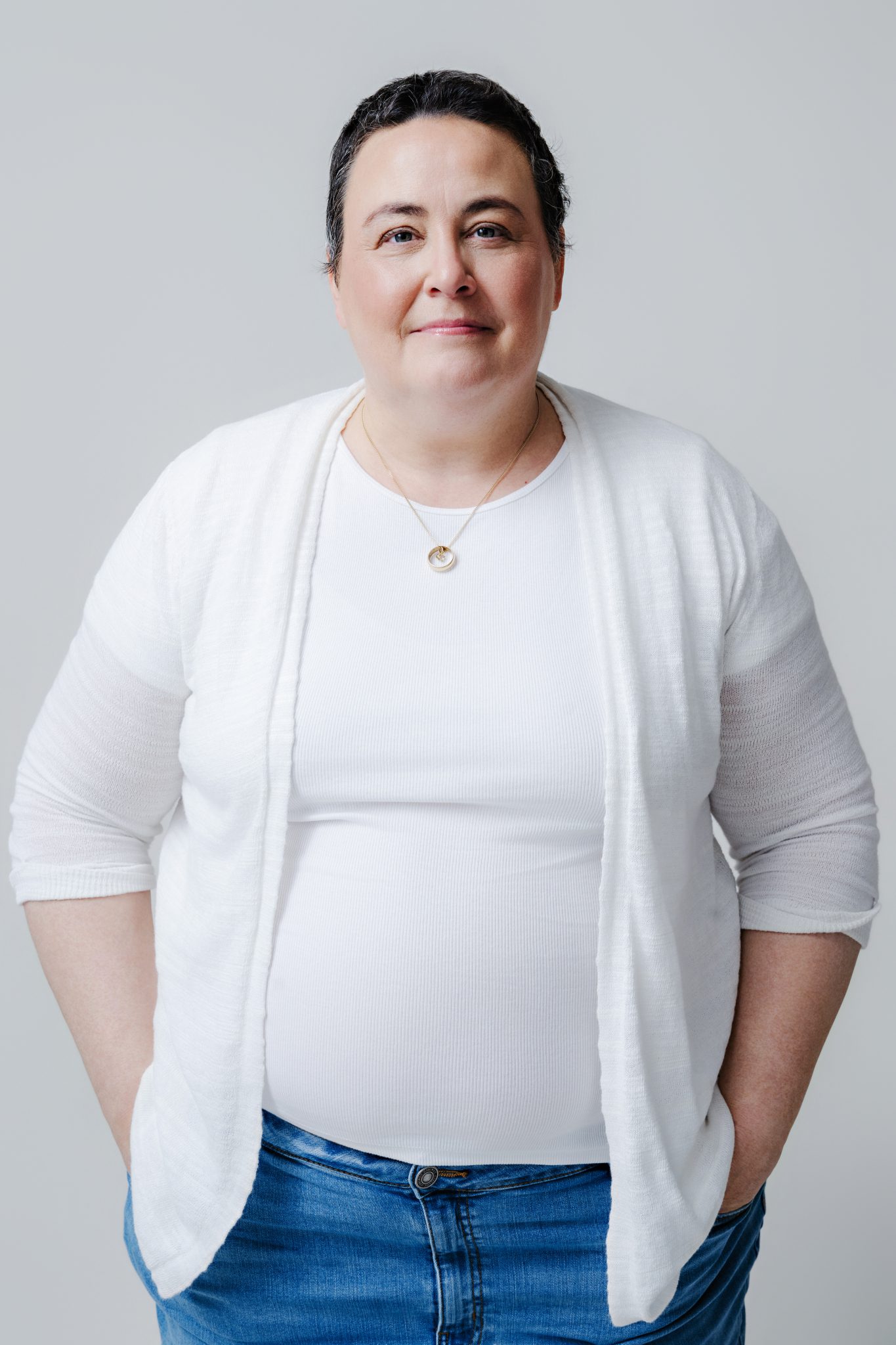
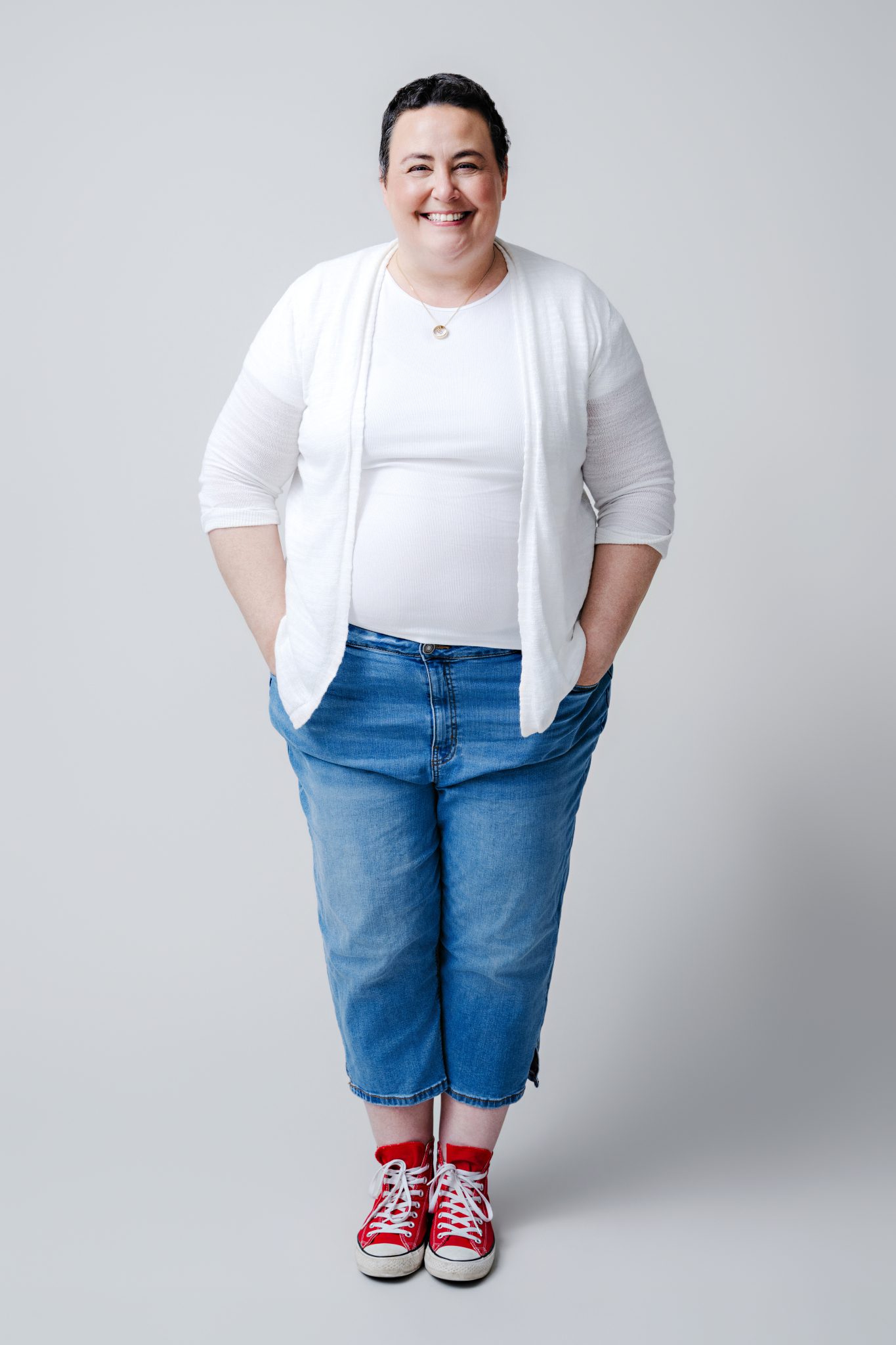
Amy
I am done with trying to push through when my body is telling me it needs rest. I am done letting stress and worry rule my life and ruin my health. I am done trying to go it alone when there are people ready and eager to help. I am done thinking that because someone else has a worse life or health crisis than mine that I don’t deserve care or concern - there’s no competition for who has it worse - only plenty of empathy and care to go around for all those suffering in some way.
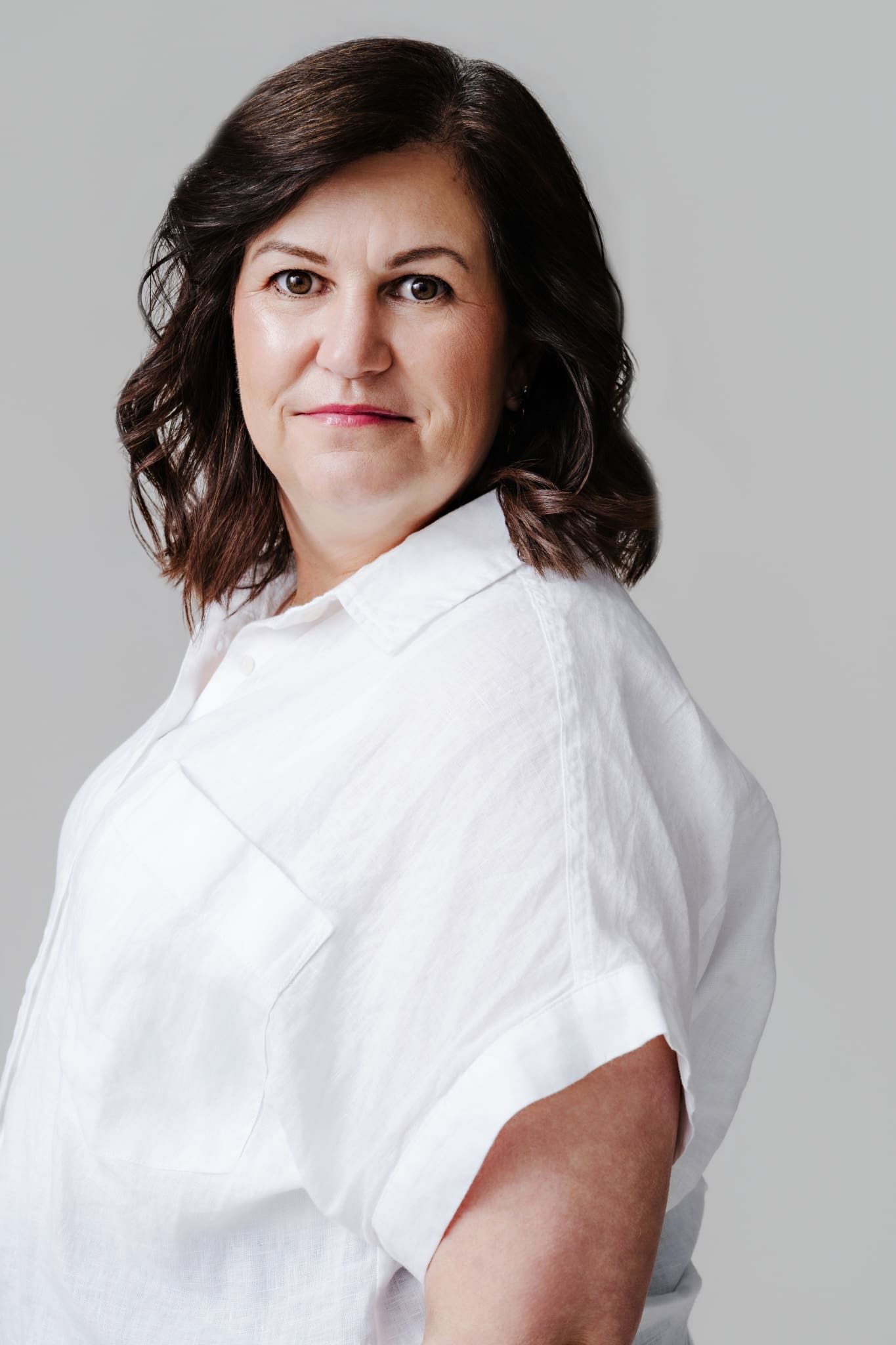
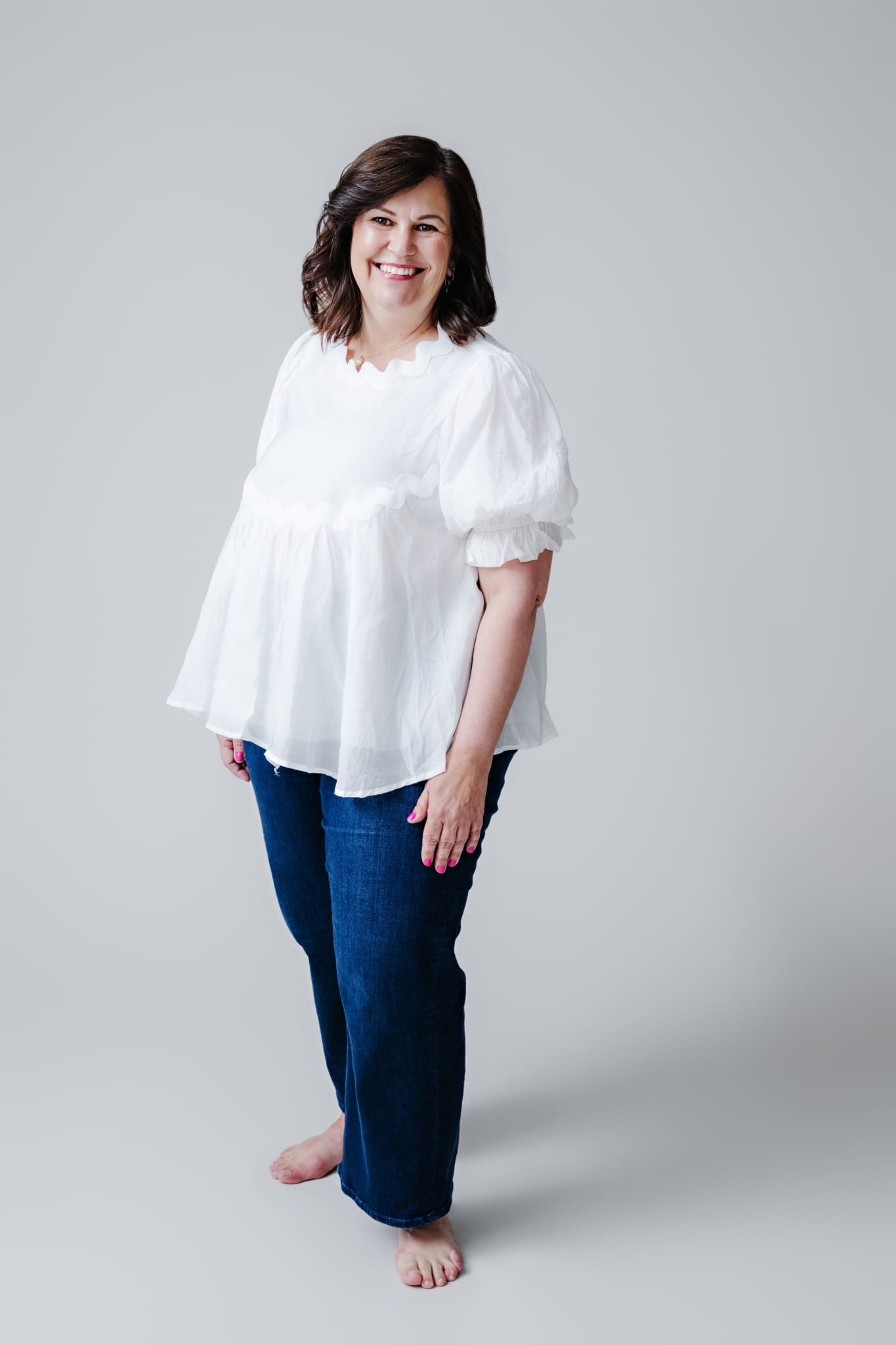
Tracey
After mom was gone, I continued to have annual breast cancer screening. I would go for a mammogram and often be called back or sent for an ultrasound out of an abundance of caution due to my family history. For 15 years after mom’s breast cancer, I dreaded those appointments, always thinking about the what-ifs. There were many ultrasounds where tears streamed down my face during the exam because I thought this time I was going to hear bad news.
Twenty-six deeply personal stories of lives impacted by breast cancer.
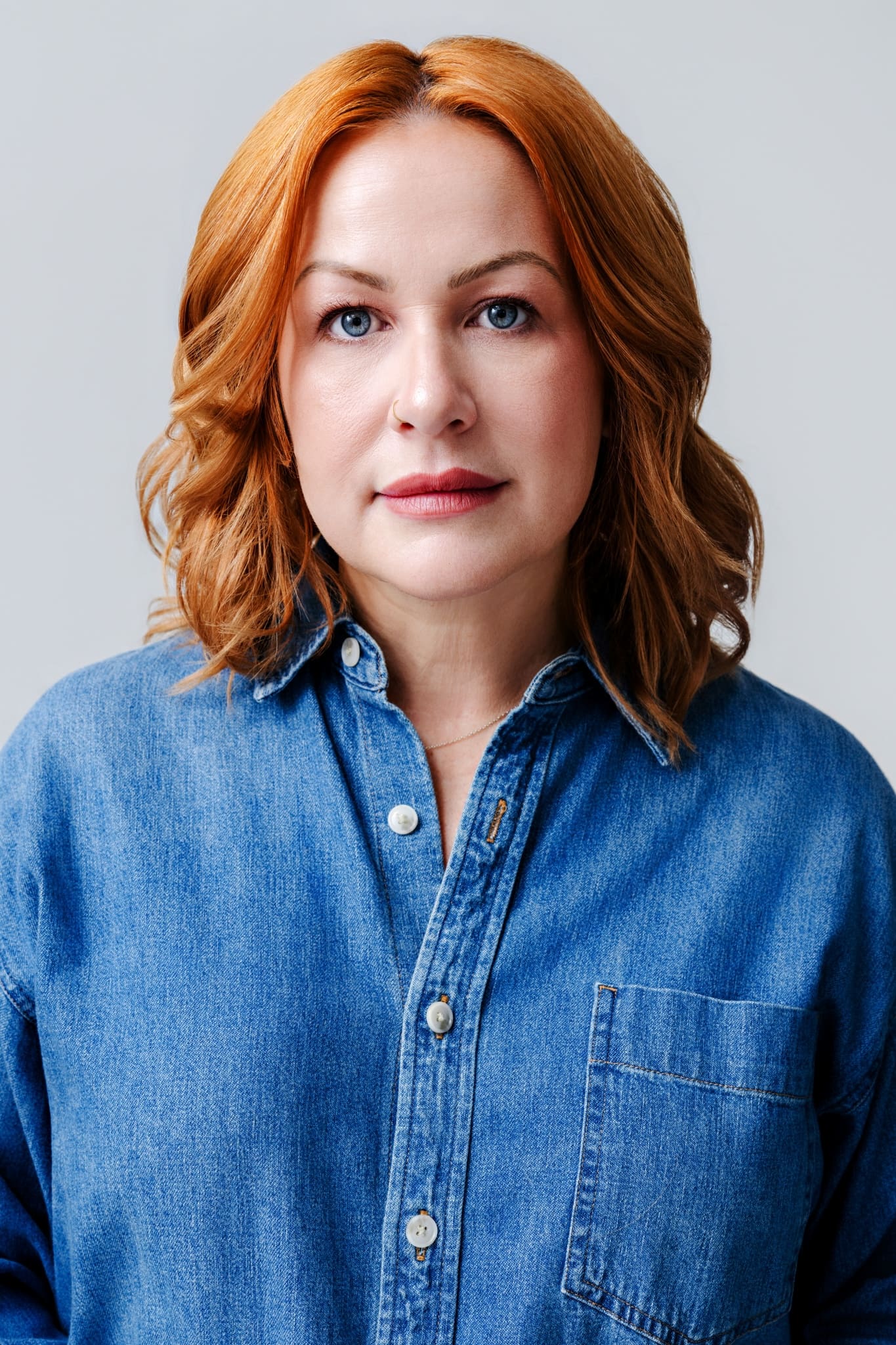
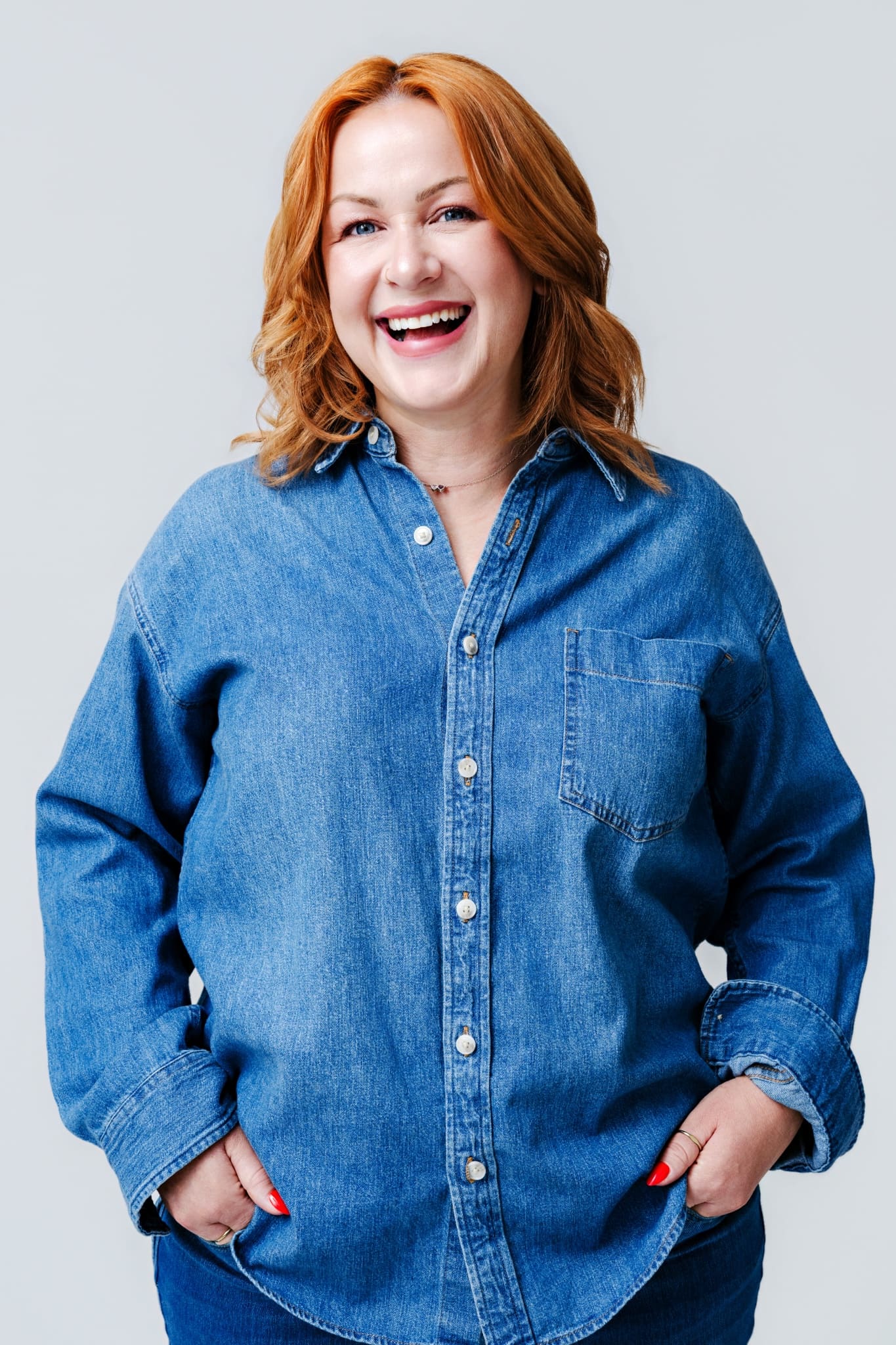
Melanie
If I’m being honest, the first week or two was a full-on pity party. And I attended that party every minute of every day. But there was a moment I remember so clearly. I was standing in the kitchen, putting dishes away, crying again, when I suddenly said to myself out loud, “Stop it.” You are not going to sit back and let this thing define what the rest of your life looks like. You are going to fight. You are going to kick this thing’s ass
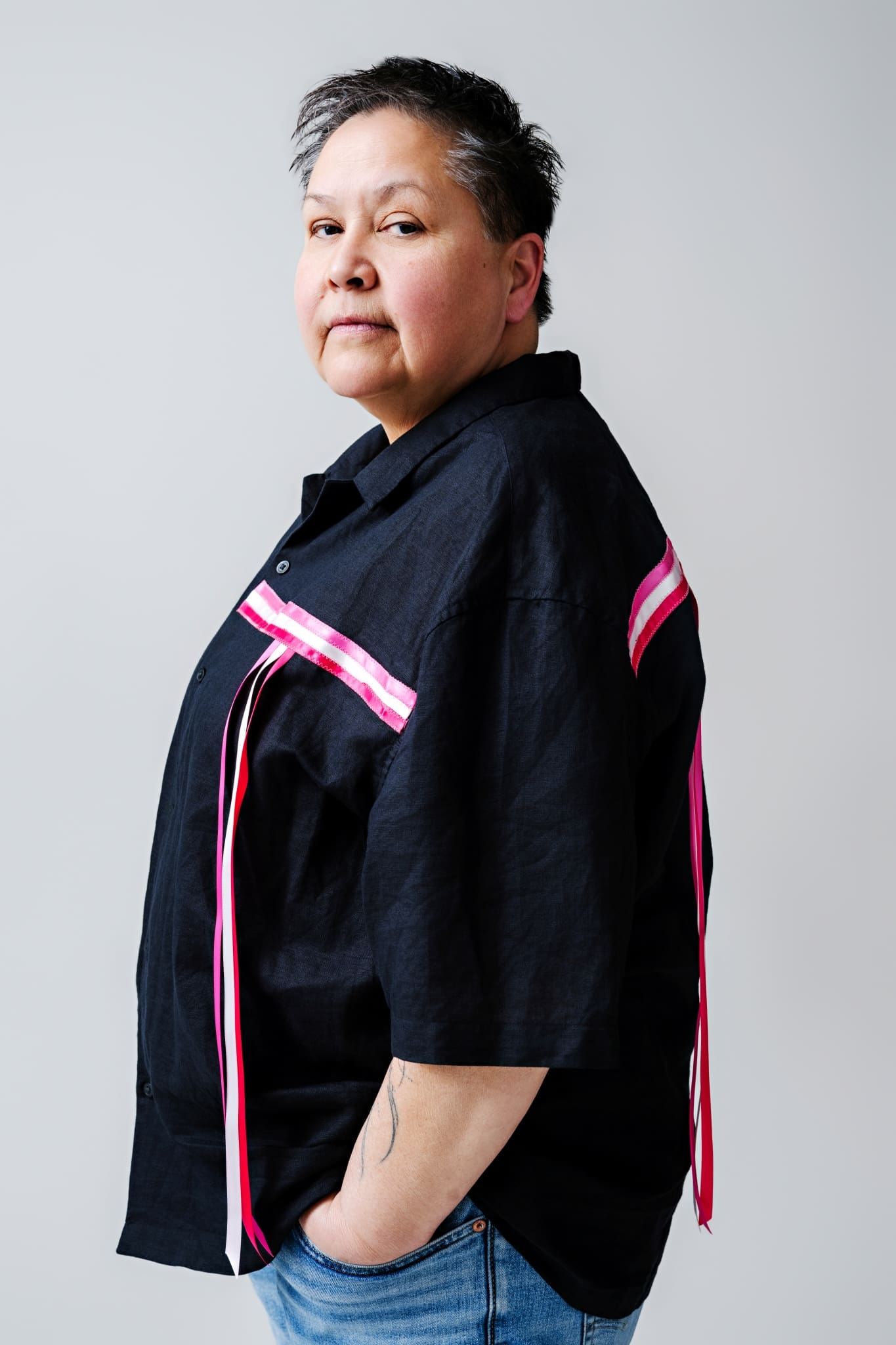
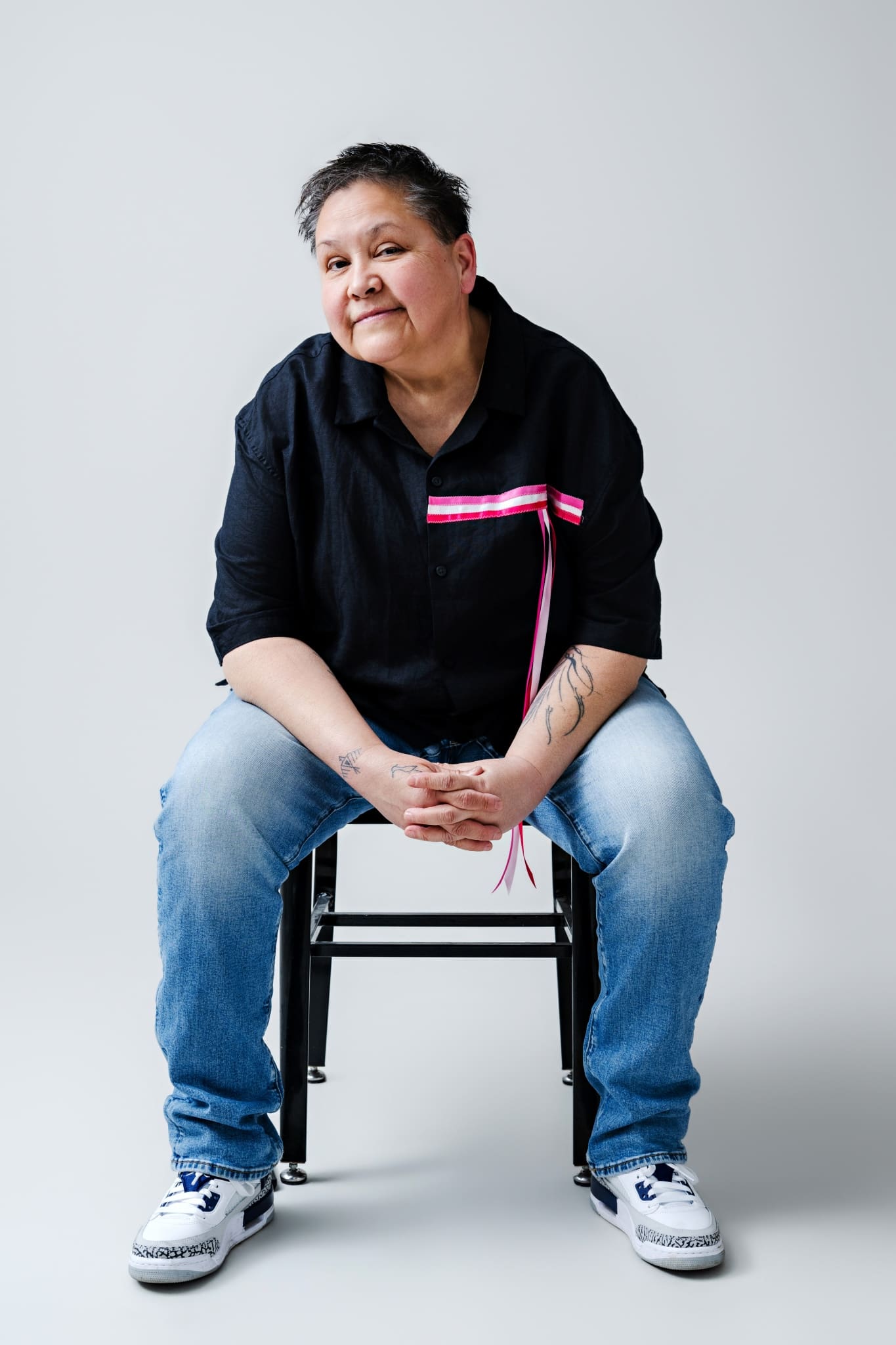
Sharon
When I finished treatment, the cancer centre wanted me to ring the bell. I couldn’t do it. I remembered sitting in that chemo room, hearing that bell ring, wondering if I would ever get the chance. And I also knew that for some people still sitting there, hearing it could be painful. So, I chose not to. Instead, I walked out to my car and sat there thinking, What now? No more appointments. My body felt broken…My life had completely changed.
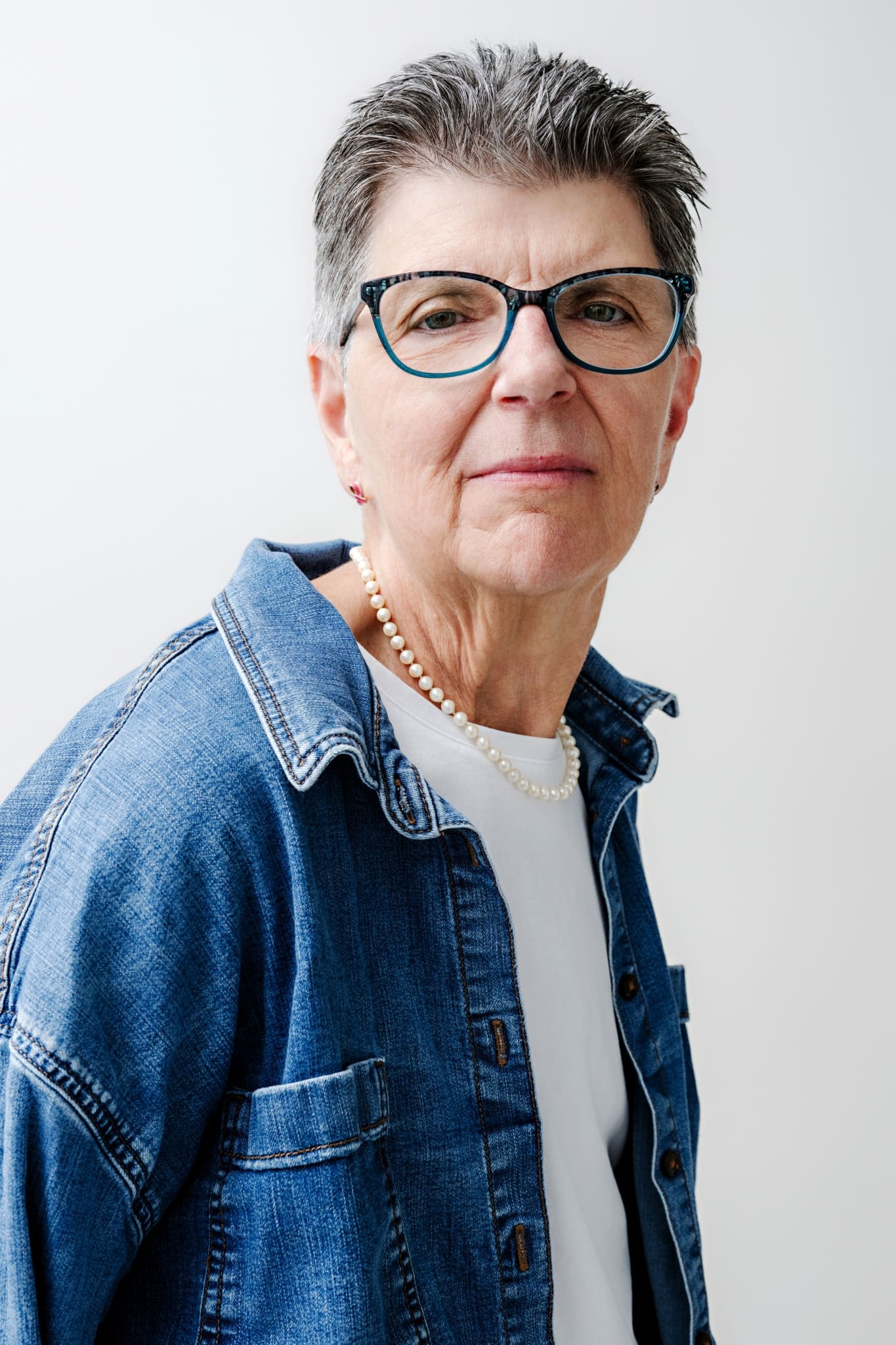
Mary
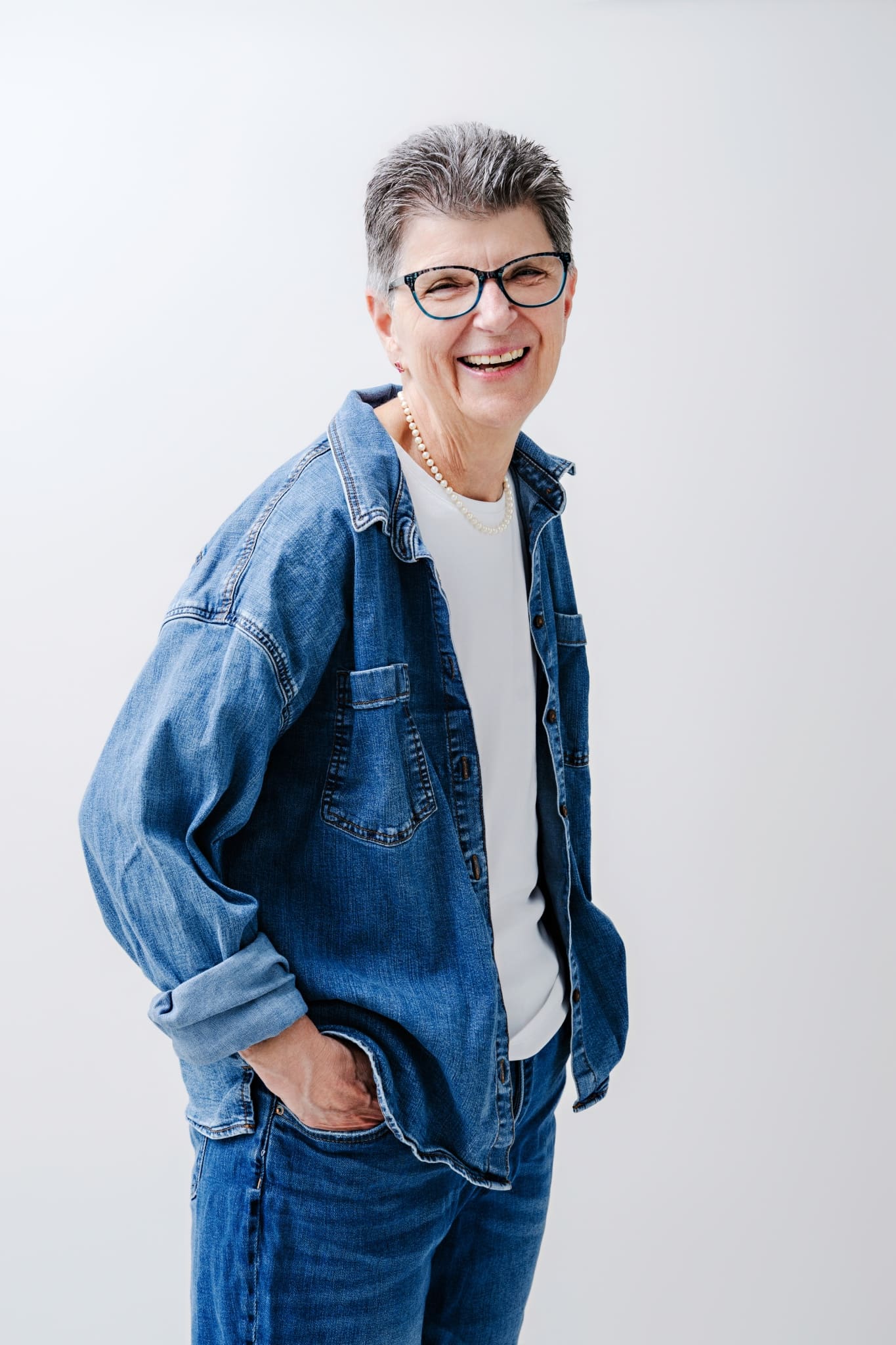
There were moments when I wondered: Do people think I’m not taking this seriously enough? Should I be acting sicker? But here’s the truth: You don’t owe anyone a performance of pain. For me, being positive wasn’t denial. It was survival. Humour helped me breathe. It helped me connect with others. It helped me cope. And if that meant smiling through appointments or making jokes during chemo, then so be it. It helped me. And maybe, just maybe, it helped others too.
Judy
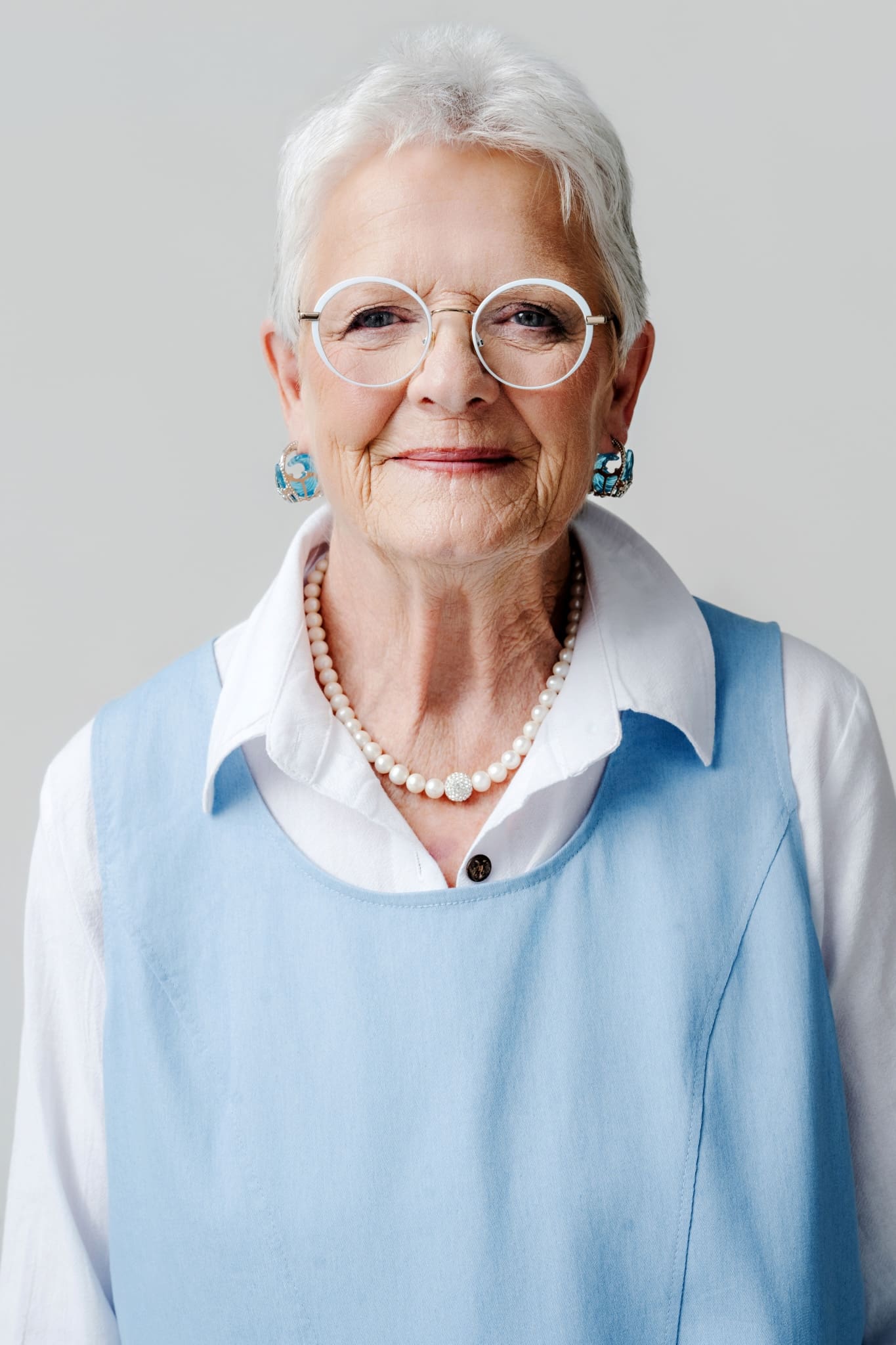
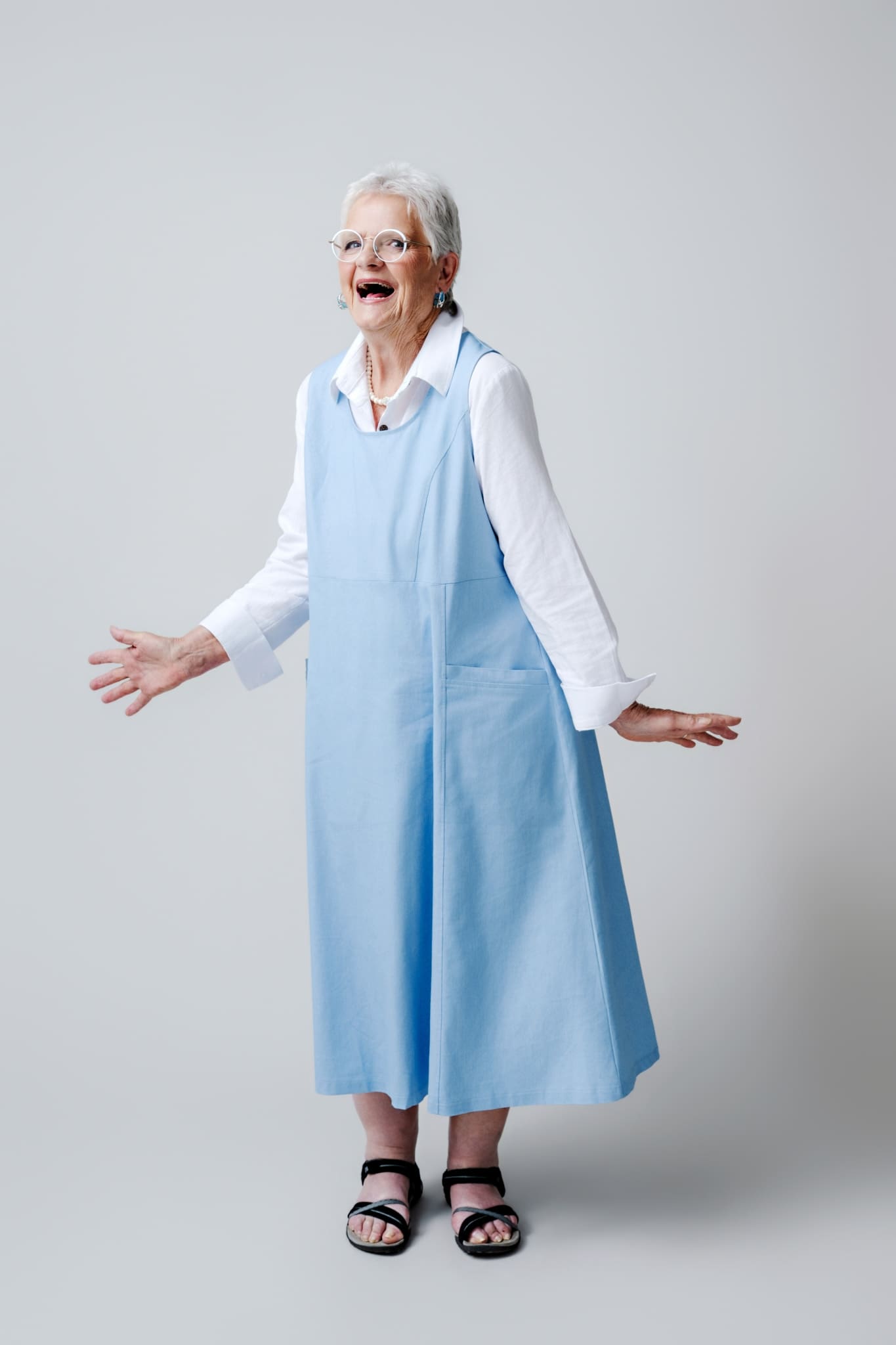
Losing my hair was another milestone. I lost all my hair after the second chemotherapy session, most of it in one day in the shower. Because I wear my hair short, having no hair wasn’t an issue; besides, I have a great selection of hats. I even tried a wig, but my husband’s laughter made sure that experiment didn’t last long. Humour, even in the darkest moments, became one of my greatest coping mechanisms.
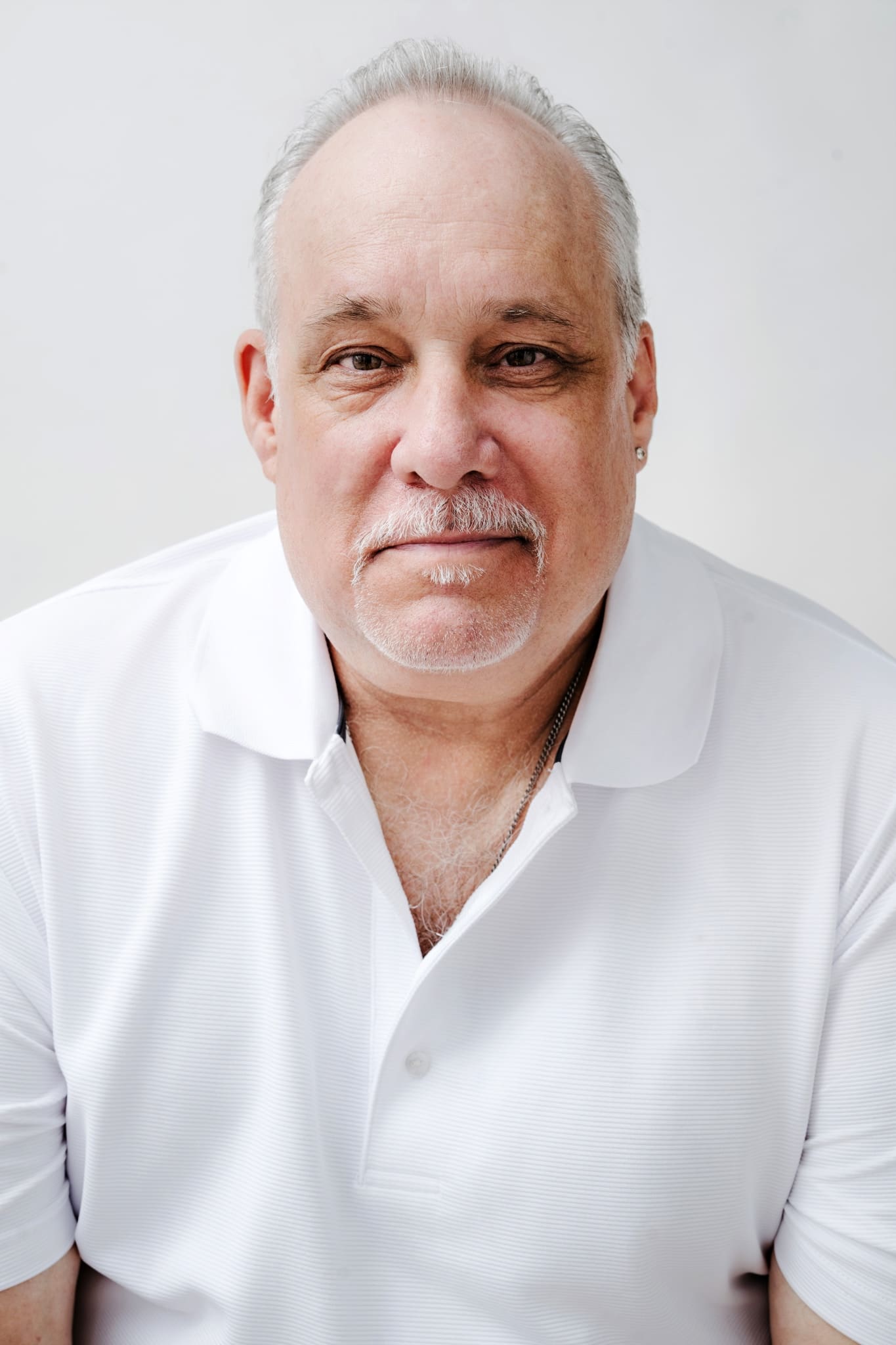
Scott
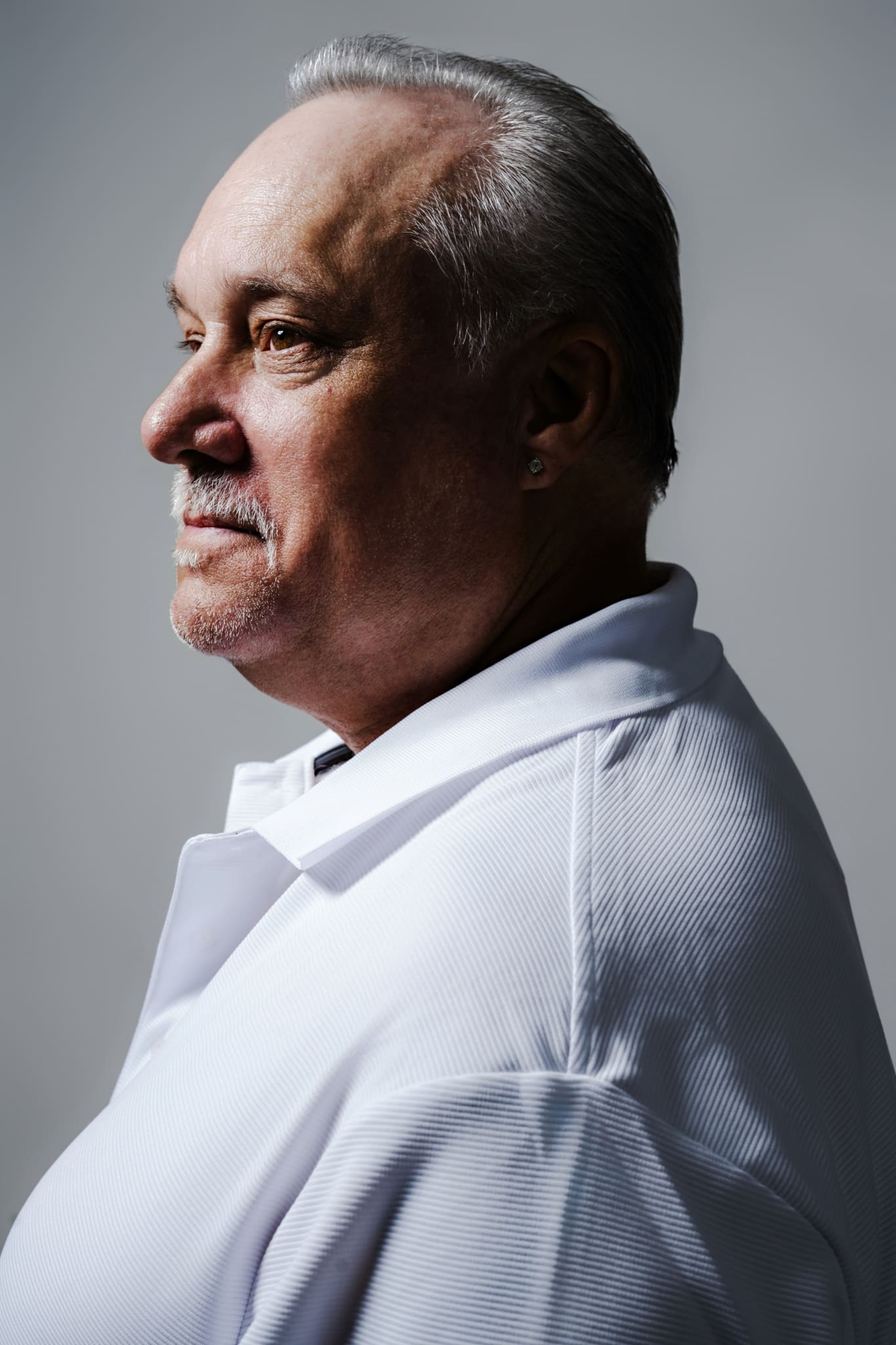
I remember walking into a room full of women and immediately feeling out of place. At that time, I had never heard of a man having breast cancer. Neither had my wife. It was the first moment I realized how invisible men can feel in a disease so often spoken about as though it only affects women.
Twenty-six deeply personal stories of lives impacted by breast cancer.
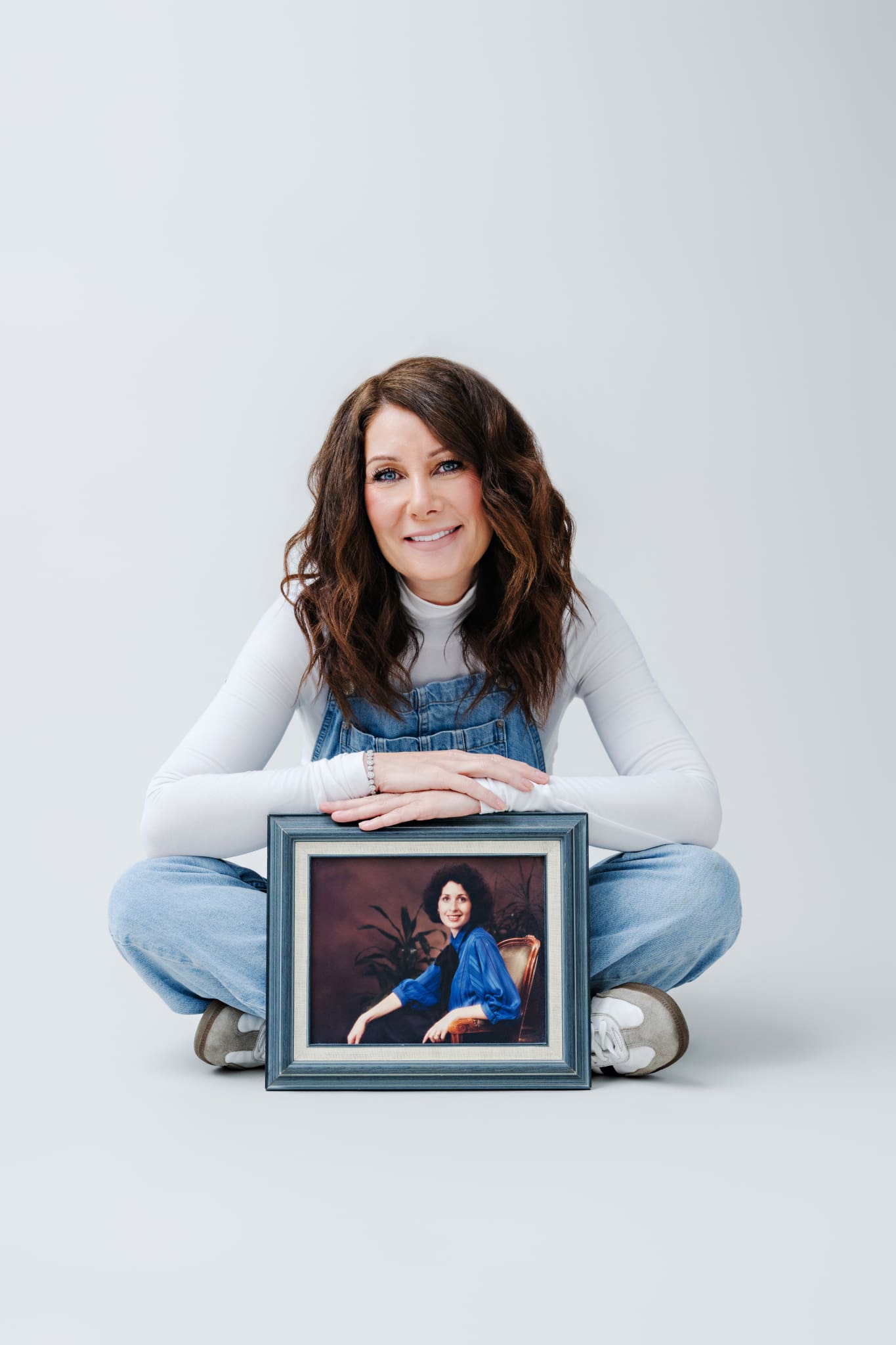
Hilary Gauld
Photographer
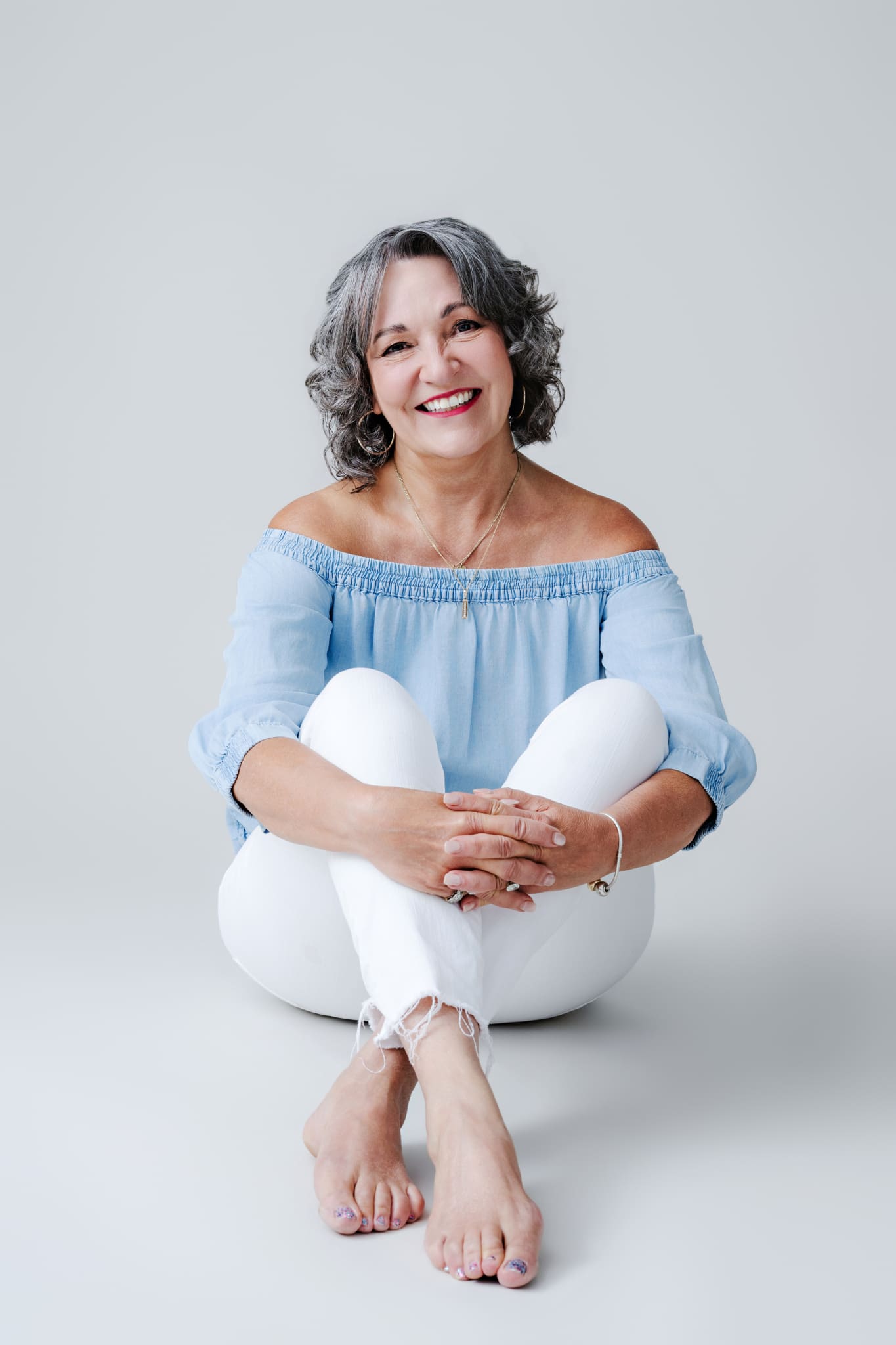
Ellyn Winters-Robinson
Epilogue