Fondée en 2016, Seins Denses Canada (SDC) est une organisation à but non lucratif.
L’organisation se compose exclusivement de bénévoles et de professionnels de la santé qui se consacrent à la sensibilisation du public et à la promotion du droit à un dépistage optimal du cancer du sein. SDC ne fonctionne que grâce aux efforts bénévoles de ses membres : aucun salaire n’est versé et l’organisation ne reçoit aucun financement d’entreprises. Les campagnes de sensibilisation seraient impossibles sans le soutien généreux de Canadiennes et Canadiens qui appuient cette cause.
Nos objectifs
To increase awareness among the public and healthcare professionals of: 1. the risks associated with dense breasts and 2. the importance of screening, starting at age 40 and continuing past age 74.
Agir auprès des programmes provinciaux pour qu’ils acceptent d’offrir un dépistage complémentaire aux femmes ayant des seins denses.
To ensure the replacement of the Canadian Task Force on Preventive Health Care, the National Advisory Committee on Preventive Health Care, includes expert and patient input and uses current, inclusive evidence and prioritizes the update of the breast cancer screening guidelines.
Pourquoi agir maintenant ?
Un dépistage optimal du cancer du sein est essentiel : Le dépistage optimal du cancer du sein est essentiel : Chaque année, 30 000 femmes au Canada reçoivent un diagnostic de cancer du sein et 5 500 en décèdent. Il est nécessaire d’améliorer la détection précoce pour offrir à toutes une véritable chance de survie.
Détecter le cancer du sein à un stade précoce permet de sauver des vies et d’améliorer la qualité de vie. Au stade 1, le taux de survie à cinq ans est de 99,8 %. Au stade 4, il chute dramatiquement à 30 %.
Dépister précocement le cancer du sein peut non seulement sauver des vies, mais aussi réduire la nécessité de traitements lourds comme la chimiothérapie, la mastectomie ou la dissection axillaire.
Les Canadiennes ont besoin d’un dépistage adapté et efficace : Un dépistage annuel entre 40 et 49 ans. Un dépistage tous les 1 à 2 ans à partir de 50 ans et au-delà de 74 ans, tant que la femme est en bonne santé. Un dépistage complémentaire pour les femmes ayant des seins denses. De plus, il est recommandé d’exploiter les dernières avancées technologiques, comme l’intelligence artificielle, afin de dépister le cancer du sein à un stade précoce.
La densité mammaire est un facteur crucial : La densité mammaire est un facteur crucial : Au Canada, plus de 3 millions de femmes de plus de 40 ans ont des seins denses. SDC cherche à sensibiliser les femmes à l’importance de comprendre et de prendre en compte leur densité mammaire. Elles peuvent ainsi devenir proactives en réduisant leur risque et en ayant des discussions éclairées avec leurs professionnels de la santé sur les dépistages complémentaires nécessaires.
Plaidoyers et transformations majeures
Depuis sa fondation en 2016, Seins Denses Canada (SDC) s’est imposé comme une force majeure dans la promotion de politiques de dépistage du cancer du sein plus efficaces et dans l’éducation du public à l’échelle nationale. Grâce à un engagement sans faille, SDC a réussi à accomplir des progrès significatifs en obtenant des modifications de politiques axées sur la détection précoce et un accès équitable pour toutes les femmes
Consultez les modifications de politiques dans notre mise à jour « Advocacy Impact ».
Notification concernant la densité mammaire
Détection précoce dès 40 ans
When DBC began, only four provinces/ territories (BC, NS, PEI, YT) were offering self-referral mammograms for women starting at age 40. DBC successfully advocated alongside medical professionals and patient advocates and in 2024/25, three additional jurisdictions (ON, NB, NL) lowered the screening age from 50 to 40. In Jan 2026, SK lowered the age to 43 and MB lowered the age to 45. SK will be at 40 in June 2026 and MB in Dec 2026. AB will lower the age to 40 April 2027. We are now only waiting on NWT and QC.
Dépistage complémentaire pour les femmes dont la densité mammaire est élevée
Before DBC launched, supplemental screening for women with dense breasts was not widely available. Through DBC’s advocacy, women with dense breasts in BC, AB, NWT, SK, and ON now have access to additional screening. A list of clinics offering supplemental screening is available on our blog page.
Contester les lignes directrices émises par le Groupe d’étude canadien sur les soins de santé préventifs (GECSSP)
DBC has led efforts to expose flaws in how the Canadian Task Force on Preventive Health Care develops national guidelines. Through testimony to parliamentary committees and meetings with PHAC, DBC raised key concerns about governance, oversight, and the need for up-to-date evidence and expert input in Canada’s breast screening guidelines. This advocacy resulted in a review of the guideline development process and a suspension of the work of the Task Force. The Task Force has been replaced by the National Advisory Committee on Preventive Health Care, as of May 2026.
Sensibilisation
Au-delà des changements de politiqueS, l’organisation a accompli des progrès remarquables dans la sensibilisation du public à l’importance du dépistage du cancer du sein. Grâce à des campagnes éducatives, à une présence accrue sur les réseaux sociaux et à des partenariats avec des spécialistes en cancer du sein, SDC a permis aux femmes d’acquérir les compétences nécessaires pour assurer activement leur santé et prendre des décisions éclairées.
Soutien public et mobilisation citoyenne
SDC a réussi à obtenir le soutien du public pour des politiques de dépistage plus efficaces. Grâce à son discours et à son engagement dans la communauté, SDC a renforcé la voix des femmes au Canada qui demandent un accès accru au dépistage du cancer du sein.
Notre équipe de direction

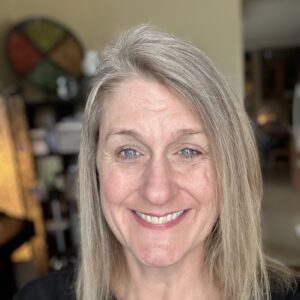
JENNIE DALE
Founder, Executive Director
Jennie is the founder and Executive Director of Dense Breasts Canada (DBC). She volunteers full time for DBC, running daily operations. She lives in Ontario and was diagnosed with Stage 1 breast cancer in 2014.
Jennie was inspired by the successful advocacy efforts of American organizations, areyoudense.org, densebreast-info.org and Joan Lunden's book "Had I Known." Jennie felt strongly that it was wrong to withhold potentially lifesaving information about breast density from women. DBC was founded in 2016 and Jennie began to learn about additional injustices and inequities in breast cancer screening in Canada, DBC's goals and mission expanded. DBC raises awareness and advocates for optimal breast cancer screening.
Jennie teamed up with breast cancer survivors and experts nationwide to advocate for optimal breast screening for all Canadians. Together, they have successfully advocated for almost 20 changes in breast screening practices in provinces and territories.
Successful advocacy has resulted in density notification across the country and most provinces/territories lowering the screening age from 50 to 40. It has also resulted in an increase in jurisdictions offering supplemental screening.
Advocacy continues on these goals: supplemental screening for individuals with dense breasts; self-referral for mammograms at 40 and past 74.
Jennie is a firm believer that your postal code should not determine whether breast cancer is detected early.
Jennie collaborates with Canada's leading breast screening experts in advocating on a federal level as well. She has met often with Ministers, MPs, and government officials to advocate for necessary revisions to the harmful national breast cancer screening guidelines and reform of the Canadian Task Force on Preventive Health Care. Jennie has testified to the Federal Health Committee and Status of Women Committee about inequitable breast cancer screening practices and written numerous briefs.
DBC's actions have been instrumental in bringing forth significant progress. An External Expert Review was appointed by PHAC to review the outdated processes and methodology of the Task Force and the Health Minister placed a pause on the work of the Task Force. Jennie testified to the External Expert Review and was happy to see many of DBC's recommendations in the report by the review panel. Jennie is looking forward to the modernization of the Canadian Task Force on Preventive Health Care.
Jennie has published in the journal Current Oncology. Jennie has also joined forces with experts in many specialties who share similar concerns about their guidelines and is a member of the Coalition for Responsible Health Care Guidelines. She is also a member of the Patient Engagement Working Group for the Canadian Society of Breast Imaging and a patient partner advisor on research being performed at Sunnybrook Hospital and Lakehead University.
In 2021, Jennie was named a top 5 finalist in Charity Village's awards in the category of Most Outstanding Impact by a Volunteer.

Paula B. Gordon, OBC, MD, FRCPC, FSBI
Conseillère médicale
Dre Paula Gordon est professeure clinique au département de radiologie de l’Université de la Colombie-Britannique. Elle est directrice du Sadie Diamond Breast Program du BC Women’s Hospital.
Durant les années 80, ses recherches sur les biopsies mammaires sous guidage échographique ont permis à cette technologie de devenir la norme de soins au travers le monde. Cette intervention a permis possible le diagnostic exact des masses au sein qui exigeaient antérieurement une intervention et a permis aux femmes d’éviter la chirurgie pour les anomalies non cancéreuses.
Au cours de sa carrière, Dre Gordon a publié 30 articles dans des revues à comité de lecture. Son travail de recherche au début des années 1990 était le premier à démontrer que l’ultrason pouvait détecter les cancers non détectés par les mammographies. Ceci a engendré un changement de paradigme dans la gestion du dépistage chez les femmes aux seins denses qui a débuté aux É.-U. en 2009, et qui s’étend maintenant au Canada, au Royaume-Uni, en Australie et en Europe.
En 1996, elle a été membre du groupe de travail d’experts du centre de santé des femmes de la C.-B. pour un programme pilote au sujet de l’évaluation et de diagnostic mammaire. Depuis, elle a été directrice médicale du Sadie Diamond Breast Program de 2007 à 2019. Au cours de cette période, elle a obtenu des fonds de la fondation Diamond et de l’autorité provinciale de services de santé en vue d’acquérir la première technologie de tomosynthèse (mammographie 3D) en C.-B. et créer la bourse de recherche d’imagerie du sein de Vancouver dans le but de former les leaders du futurs de ce domaine. Elle a fait en sorte que les stagiaires puissent alterner entre le centre de soins de santé de la femme de la C.-B., l’organisme du cancer de la C.-B. et le bureau de Dre Warren et associés afin d’assurer leur exposition à de multiples experts. En raison de la réputation du programme, elle a également formé des boursiers auto-financés d’autres provinces, des É.-U. et du Moyen-Orient
Avec l’acquisition de la tomosynthèse, Dre Gordon a permis à la ville de Vancouver de figurer parmi l’un des premiers sites canadiens à se joindre au TMIST : the tomosynthesis mammographic imaging screening trial (essai sur le dépistage du cancer du sein par imagerie de tomosynthèse mammaire), un essai multicentrique financé par la FDA. Ceci lui a permis de donner des centaines d’heures bénévoles en participant à la planification et à la préparation du procès en tant que site principal canadien.
Dre Gordon est très appréciée pour son mentorat d’étudiants en médecine, des résidents en radiologie et des boursiers en imagerie du sein, ainsi que pour l’enseignement qu’elle offre à ses patients individuels et au public. Elle est une éducatrice populaire lors d’ateliers pratiques à la société de radiologie d’Amérique du Nord, où les radiologues apprennent à effectuer des biopsies à l’aiguille et d’autres interventions avec échoguidage, et ce, chaque année depuis leur introduction en 1993.
Conférencière, modératrice et membre de comité très recherchée, elle a été invitée à présenter durant des centaines d’exposés à l’échelle locale, nationale et internationale, et a également participe à des groupes scientifiques au travers l’Amérique du Nord.
Elle agit à titre de bénévole et de rélectrice de plusieurs revues médicales, ainsi que de conseillère bénévole pour Seins Denses Canada, un groupe de défense des droits des patients et à un site Web éducatif : Dense Breast Info (infos sur les seins denses).
Avec ses collègues de partout au Canada, elle a été membres fondateurs de la Société canadienne de l’imagerie mammaire.
Dre Gordon a joué le rôle de bénévole et de présidente pour des dizaines de comités :
- · Membre, Lower Mainland Innovation and Integration Fund Committee for Breast Health
- · Présidente, Early Detection Committee, Canadian Breast Cancer Foundation 2020 Project
- · Présidente, Early Detection Committee of the Canadian Breast Cancer Foundation, BC/Yukon Division,
- · Membre, Canadian Breast Cancer Foundation Breast Cancer Prevention and Risk Assessment Clinic Advisory Board
- · Présidente, Academic Committee of the Screening Mammography Program of British Columbia,
- · Coprésidente, Workforce Committee of the Provincial Breast Health Strategy et membre des Steering, Clinical Pathway and Prevention Committees of the Provincial Breast Health Strategy
- · Membre, Provincial Radiology Expert Committee et rélectrice pour le Canadian Association of Radiology Mammography Accreditation program
- · Rélectrice des directives des pratiques cliniques pour le American College of Radiology
- · Rélectrice des directives des pratiques cliniques pour la Canadian Association of Radiologists
- · Membre, UBC Radiology Advisory Committee
En plus de consacrer tout son temps à l’amélioration de la santé des seins, elle est également administratrice du conseil Canucks for Kids Fund depuis 2006.
En reconnaissance de ses contributions dans domaine de l’imagerie mammaire, elle a été nommée boursière de la Society of Breast Imaging, une société du American College of Radiology en plus d’être bénévole pour son conseil d’administration.
Ses autres prix et distinctions incluent :
Officer, Order of Canada
• Prix du Canadian Heads of Academic Radiology Development
• Prix en Excellence du BC Children’s and Women’s Hospital
• Prix en éducation Killam de l’Université de la Colombie Britannique
• Médaille du jubilé de la Reine Elizabeth II
• Ordre de la Colombie Britannique
Honorary alumnus award from the UBC Medical Alumni Association.
• Prix du réseau du Women’s Executive Network nommer une des 100 femmes les plus influentes et pionnières au Canada
• Nommée une des meilleures spécialistes au Canada pour la détection et diagnostic du cancer par le Ministère de la condition féminine, a l’occasion de la journée international de la radiologie
• Meilleure Educatrice – UBC Radiology Residents
2022 Royal College of Physicians and Surgeons of Canada, Prix d’excellence – Specialist of the Year award, Region 1
UBC Radiology 2022 Clinical Faculty Award for Excellence in Research/Discovery/Innovation
https://newsroom.royalcollege.ca/a-specialist-renowned-for-outstanding-patient-care-and-advocacy-in-the-community/
TWITTER HANDLE @DrPaulaGordon
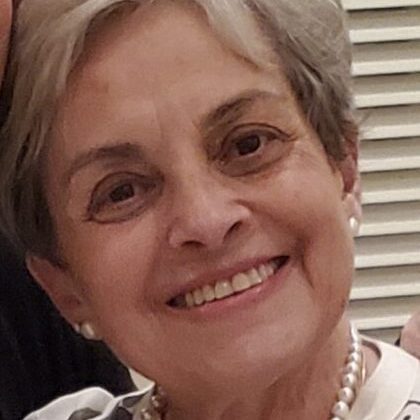
Karen Goldenberg
Dense Breasts Canada announces Karen Goldenberg, CM, O.Ont Honourary Patron
Dense Breasts Canada is delighted to name Karen Goldenberg Honourary
Patron. Karen has worked tirelessly throughout her life to improve lives in
both the health and social service sectors. Karen is a recipient of both
the Order of Ontario and Order of Canada. Known as a compassionate and
strategic thinker, Karen is a change maker who led JVS Toronto and founded
COTA. She has had numerous roles in the health sector. Her affiliation with
Dense Breasts Canada has been ongoing.
Karen is delighted to be an Honourary Patron of Dense Breasts Canada: “I am
acutely aware of the need for proper screening of all women 40 and up. But
what drew me to Dense Breasts Canada was the fact that so many women’s
cancers were going undetected simply because of dense breast tissue. DBC has
advocated successfully to ensure proper notification to women with dense
breasts. The next step will be making ultrasound available to those who
require it. I applaud this mission and am happy to be associated with it.”

ANNIE SLIGHT
Director, Advocacy and Education, Quebec
Annie is the Director of Advocacy and Education in Quebec. She lives in Montreal. She was diagnosed with breast cancer in April 2013 at age 42. After a normal mammogram, Annie discovered a lump six months later. As a breast cancer survivor, she feels strongly about giving back and advocating for women. She also is passionate about ensuring that women receive information about their breast density so that they can make informed healthcare decisions. Annie began working with DBC in 2018. For the past five years, Annie has been raising awareness through numerous interviews in the media, actively spreading the word on social media and speaking to women at events. She has been advocating intensively for policy change.
Quebec was the first province to make it mandatory to include breast density information in the mammogram report sent to the doctor. However, doctors are not relaying the density information to women and most women do not know to ask their doctor. The government committed to providing the density category in the Health Booklet in 2021, but this is not enough. Annie continues to advocate so that all women in Quebec will be told their breast density in their mammogram results letter, as is being done in other provinces. She is also advocating for screening at age 40 in Quebec, one of the last provinces to lower the screening age.
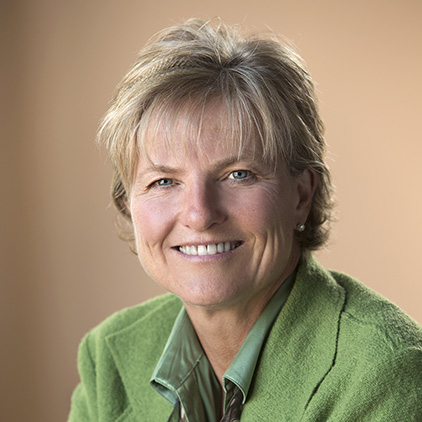
JOAN BUSH
Advisor
Joan Bush has served in a variety of capacities: as a Director of The McMichael Canadian Art Collection, a Director of Canada-Rwanda Board of Trade, member of the International Women's Forum (IWF) executive, and a board member of the Yee Hong Wellness Foundation, which supports culturally and linguistically appropriate care for over 15,000 seniors from different ethnic communities. She is also a member of the Women for Nature Initiative.
She has also served two terms as a governor on the Board of Trent University in Peterborough, Ontario. In 2012, Joan became a recipient of Queen’s Diamond Jubilee for her outstanding community service. As a Director of the Kiani Foundation, she has contributed extensively to the community through numerous charities including hospitals, scholarships, youth education, and women’s shelters.
Joan is passionate about raising awareness of the risks of dense breasts and ensuring that women across Canada understand their density and the importance of additional screening. She understands the significance of dense breasts from her own personal experience when an additional cancer was masked by dense tissue and only seen on MRI.

EEVIN-LEIGH SCHLAMP
Graphic Design
Nos porte-paroles